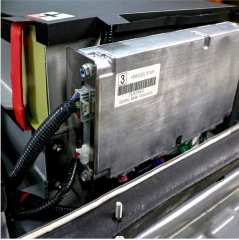
⚡ Best New Batteries for Nissan Leaf in Snow: Ultimate Winter Range Guide
Are you tired of watching your Nissan Leaf’s range plummet the moment winter hits? You are not alone. If you own a Leaf (especially older ZE0/AZE0 models), you know the struggle: a battery that reads 100% full but struggles to maintain heat while crawling to the grocery store. Many owners face the harsh reality of “range anxiety” turning into “winter panic,” often paying exorbitant prices for factory replacements that don’t solve the core issue of cold-weather degradation.
As a battery expert, I have analyzed countless winter driving scenarios. The solution isn’t just any new battery; it is about finding a high-capacity, cold-weather optimized lithium-ion pack that retains energy density even when temperatures drop below freezing.
Based on the latest data and user feedback, here is the definitive guide to surviving snow and ice with your Leaf.
❄️ Why Standard Leaf Batteries Fail in the Cold
Before we discuss the best replacements, let’s understand the enemy: physics.
Most Nissan Leafs (2011-2017 models) came with 24kWh or 30kWh packs. These older designs lack the thermal management systems found in modern EVs. When snow hits:
- Battery Chemistry Slows: Lithium-ion cells lose approximately 40% of their capacity when temperatures drop below 0°C (32°F).
- Heating Drains Power: Unlike gas cars that use waste engine heat, EVs must steal precious battery juice to run the heater.
- Regen Braking Disappears: Most Leafs disable regenerative braking in extreme cold to protect the battery, robbing you of energy recapture.
This trifecta turns a 100-mile summer range into a 40-mile winter nightmare.
🏆 The Top Contenders: Best Batteries for Snowy Conditions
To beat the snow, you need a battery with headroom. You cannot afford to lose 40% of your range if you only have 24kWh to start with. You need to upgrade to a larger capacity.
1. The 62kWh Powerhouse (The Ultimate Snow Warrior)
If you live in a region with heavy snowfall, the 62kWh Lithium Battery Pack is the undisputed champion. This is not just a replacement; it is a transformation.
- Why it wins: Even with a 40% loss in snow, a 62kWh pack still leaves you with roughly 250 miles of theoretical range. This provides a massive buffer for heating and detours.
- Real-World Feedback: As noted in user reviews, owners who upgraded from older packs to the 62kWh model reported full-charge ranges of 430km (267 miles) in optimal conditions. In winter, this realistically translates to a usable 150-170km (93-105 miles), which is often enough for a full day’s commute in snowy areas without panic charging.
- Compatibility: Perfectly fits Leaf ZE0, AZE0, and ZE1 models thanks to OEM-standard engineering.
2. The 50kWh Balanced Performer (Best Value for Mild Snow)
If 62kWh is overkill or budget-prohibitive, the 50kWh Lithium Battery Pack offers the best balance.
- Why it wins: It strikes a middle ground between cost and winter capability.
- Performance: While it won’t give you cross-country range in a blizzard, it doubles the capacity of the original 24kWh packs. For cities with light snow and access to charging, this is the sweet spot. Users report a realistic winter range of 100-120km (62-75 miles), sufficient for urban survival.
3. The 40kWh/45kWh Standard (Only for Garage Heaters)
Unless you have a heated garage or live in a climate where snow is rare, the smaller 40kWh packs are generally not recommended for serious winter driving. They are cost-effective but offer no buffer against the cold.
🧣 How to Prepare Your Leaf for Snow (Beyond the Battery)
Even with the best new battery, preparation is key.
Pre-Conditioning is Mandatory
Do not wait until you get in the car to turn on the heat. Pre-conditioning (heating the battery while it is still plugged in) is vital.
- How-to: Use the NissanConnect app (or your charger timer) to warm up the battery before you unplug. This ensures the battery operates at peak efficiency from the moment you drive away and keeps the cabin warm without draining the new charge.
Tire Pressure Matters
In snow, winter tires are non-negotiable. Cold air reduces tire pressure, which increases rolling resistance. Under-inflated tires on snow can drain an extra 10-15% of your battery range. Check your pressure weekly.
Embrace the “Bar” System
Older Leaf owners are familiar with the 12-bar battery health indicator. When installing a brand-new pack (like those from CNS), you will see all 12 bars lit up. This visual confirmation is crucial in winter, as it assures you that the battery isn’t degraded and can handle the thermal load.
🛠️ Why “New” Beats “Refurbished” in Winter
When searching for “best new batteries,” you will inevitably see refurbished options. Avoid them for winter use.
- Refurbished Risks: Used packs are often cobbled together from salvaged cells. In cold weather, inconsistent cell chemistry leads to imbalance. One weak cell in a cold chain can cause the entire Battery Management System (BMS) to shut down, leaving you stranded.
- New Cell Advantage: Brand-new cells (specifically CATL cells, as used in premium replacements) have uniform chemistry. They handle the stress of freezing temperatures far better, ensuring that the BMS doesn’t throw errors when you need heat the most.
💡 Pro Tip: The Installation Checklist
If you are installing a new pack for the winter, ensure your supplier provides:
- Full BMS Programming: The battery must handshake with your car’s computer to report accurate temperatures.
- Cold-Weather Warranty: Ensure the warranty covers performance degradation (e.g., guaranteeing 70% capacity retention over the warranty period, even after winter cycles).
📊 Comparison: Which Battery is Right for Your Winter?
| Feature | 24kWh/30kWh (Original) | 40kWh/45kWh (Budget) | 50kWh (Balanced) | 62kWh (Snow Champion) |
|---|---|---|---|---|
| Summer Range | 70-100 miles | 120 miles | 150 miles | 200+ miles |
| Winter Range (Snow) | < 40 miles | 60 miles | 80 miles | 130+ miles |
| Heating Buffer | None (Constant panic) | Low (Risk of stranding) | Moderate (Safe for cities) | High (Peace of mind) |
| Best For | Garage queens / Summer only | Mild climates | Suburban driving | Heavy snow / Long commutes |
🛑 Final Warning: The “Cheap” Trap
Be wary of suppliers offering “cheap” winter solutions that cut corners. A battery is not just cells; it is the Battery Management System (BMS) that protects it. In snow, a poor BMS will fail to heat the cells properly, leading to permanent damage or swelling.
The best batteries for snow are those engineered with top-tier materials and rigorous testing. They might cost more upfront, but they save you from the expensive tow truck bill in a snowstorm.
❓ Frequently Asked Questions (FAQ)
Q1: Will a new battery fix my Leaf’s range in the snow?
A: Absolutely. While physics dictates some loss, upgrading from a 24kWh to a 62kWh pack effectively doubles your winter buffer. You won’t have the same range as summer, but you will go from “range anxiety” to “driving confidence.”
Q2: Can I install a larger battery (like 62kWh) in my old Leaf (ZE0)?
A: Yes. Modern replacement packs are designed to be OEM compatible. They fit the chassis, wiring, and cooling systems of older Leafs (ZE0/AZE0) perfectly. You do not need to modify your car; the new battery simply plugs in.
Q3: How do I know if the battery uses new cells?
A: Always ask for the cell manufacturer. Reputable suppliers use brand-new CATL (Contemporary Amperex Technology) cells. Avoid sellers who cannot specify the cell brand or admit to using “recycled” or “used” cells, as these are dangerous in freezing conditions.
Q4: What is the warranty on a “Best New Battery” for snow?
A: A reliable winter battery should come with a minimum 2-year / 80,000 km warranty. This should cover defects and guarantee that the battery retains at least 70% of its capacity over that period, regardless of the weather.
Q5: How long does shipping take if I order now for the winter?
A: Depending on your location, shipping can take 4-8 weeks via sea freight (the safest method for lithium batteries). If you need it urgently for an upcoming snowstorm, expedited services are available, but it is best to plan ahead.
Don’t let the snow ruin your winter. Upgrade to a high-capacity, cold-weather ready battery today and reclaim your freedom to drive.