Here is the SEO-optimized article tailored for the Nissan Leaf community, focusing on the 24kWh upgrade process and leveraging the expertise of CNS BATTERY.
DIY Nissan Leaf 24kWh to 62kWh Upgrade: The Ultimate Guide
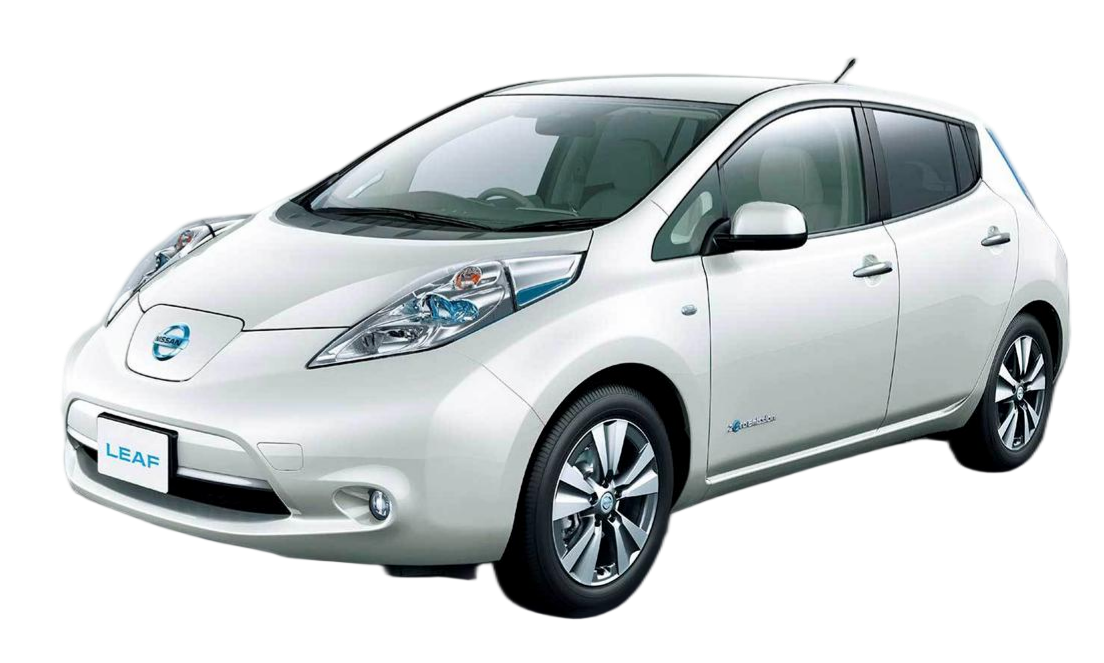
Is your Nissan Leaf’s range struggling to get you through the day? If you own a first-generation Leaf (ZE0) with the original 24kWh battery pack, you are likely familiar with “range anxiety.” The good news is that a full battery transplant is not only possible but increasingly accessible for DIY enthusiasts.
At CNS BATTERY, we specialize in OEM-compatible Nissan and BMW EV powertrains. We understand that upgrading from a 24kWh pack to a modern high-capacity solution (like a 62kWh pack) is the most cost-effective way to revive your EV. This guide will walk you through the technical considerations, safety protocols, and the step-by-step process to transform your Leaf’s performance.
Why Upgrade the 24kWh Nissan Leaf Battery?
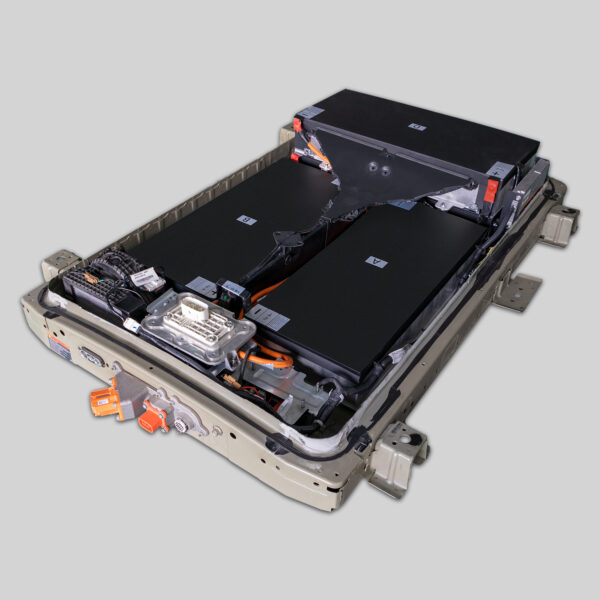
The original 24kWh Nissan Leaf (often referred to by its chassis code ZE0) was a pioneer in the electric vehicle market. However, battery degradation over time has significantly reduced its usability. Upgrading this specific model involves replacing the aging module with a newer, higher-capacity lithium-ion pack.
The Benefits of a Full Transplant:
- Range Revival: Jump from a mere 70-80 miles (heavily degraded) to over 200 miles on a full charge.
- Cost Efficiency: Replacing the battery is significantly cheaper than buying a new car.
- Performance: Modern packs (like those using CATL cells) offer better thermal management and faster discharge rates.
Step 1: Pre-Installation Assessment (The Most Critical Phase)
Before you lift a wrench, you must assess compatibility. Not all Nissan Leaf batteries are interchangeable without modifications.
Key Compatibility Checks:
- Vehicle Model & Year: Confirm you have a Leaf ZE0 (2011-2013 models). This is crucial because the ZE0 chassis requires specific mounting brackets compared to the later ZE1 models.
- Battery Chemistry: The original 24kWh packs used Lizard/Saic Lithium Manganese Oxide (LMO). Modern replacements typically use Lithium Nickel Manganese Cobalt Oxide (NMC).
- BMS & Communication: The Battery Management System (BMS) must communicate correctly with the Leaf’s Vehicle Control Module (VCM).
Expert Tip: At CNS BATTERY, we recommend using a VIN check before purchasing any battery. This ensures that the connector types, voltage levels, and communication protocols match your specific vehicle. A mismatch here can lead to expensive rewiring or incompatibility.
Step 2: Selecting Your Upgrade Path
When upgrading from a 24kWh pack, you have two primary options:
- The 40kWh/62kWh Route (Used Nissan Packs): Sourcing packs from salvaged Leafs. This is risky due to unknown prior degradation.
- The Remanufactured/Aftermarket Route (Recommended): Using a brand-new engineered solution, such as a CNS remanufactured pack.
Why Choose a Remanufactured Pack?
- New Cells: Using brand-new, high-grade cells (like CATL) ensures zero degradation history.
- OEM Fitment: Designed to fit the ZE0 chassis perfectly, often requiring no physical modifications to the car body.
- Warranty: Unlike used packs, remanufactured solutions come with warranties (CNS offers a 2-year / 80,000km warranty).
Step 3: The DIY Installation Process
This process requires intermediate to advanced mechanical skills. Always wear appropriate Personal Protective Equipment (PPE), including insulated gloves and safety glasses.
Tools You Will Need:
- Torque Wrench
- Socket Set (Metric)
- Insulated Screwdrivers
- Multimeter
- Battery Disconnect Tool
The Procedure:
- Safety First (Disconnect Power): Locate the Maintenance Plug (usually under the rear seat or near the battery) and remove it. Wait at least 10 minutes to allow capacitors to discharge.
- Remove the Old 24kWh Pack:
- Jack up the vehicle safely using axle stands.
- Disconnect the high-voltage cables (marked orange) from the old battery. Label these cables to remember their positions.
- Remove the mounting bolts securing the battery to the chassis.
- Carefully lower the heavy battery pack.
- Prepare the New High-Capacity Pack:
- If using a CNS pack, verify the connectors match the original harness.
- Ensure the BMS wiring harness is intact.
- Install the New Pack:
- Lift the new battery into place. This is often a two-person job due to weight.
- Secure the mounting bolts. Torque them to the manufacturer’s specifications (usually around 100-120 Nm, but verify with your specific pack manual).
- Reconnect the high-voltage cables. Ensure the connectors are fully seated and locked.
- BMS Programming & VCM Reset:
- This is the most complex step. The car’s computer needs to recognize the new battery’s capacity.
- You will likely need an OBD2 scanner capable of EV diagnostics or professional programming software.
- Contact CNS Support: If you encounter communication errors, our technical team offers remote video guidance to help program the BMS.
Step 4: Post-Installation Testing
Do not drive immediately. Perform these checks:
- Voltage Check: Use a multimeter to check the output voltage of the new pack. It should align with the specifications of the new pack (e.g., ~360V for a 40kWh equivalent).
- Leakage Test: Ensure there are no ground faults.
- System Scan: Use a diagnostic tool to scan for any DTCs (Diagnostic Trouble Codes) related to the battery or communication lines.
Why CNS BATTERY is the Trusted Choice for Leaf Upgrades
As a leading manufacturer specializing in Nissan EV batteries, CNS BATTERY provides more than just a product; we provide a solution backed by engineering excellence.
- Original Factory Standard R&D: Our packs are engineered to meet OEM standards, ensuring a perfect fit for the Leaf ZE0 chassis without requiring hacks or modifications.
- Ultimate Safety: We utilize new, high-quality cells and rigorous testing protocols to prevent issues like swelling or thermal runaway.
- Expert Support: Unlike buying a used battery off a forum, we offer dedicated technical support. If you get stuck during installation or programming, our experts are ready to assist via video call.
Frequently Asked Questions (FAQ)
1. Can I really install a 62kWh battery in my old 24kWh Leaf myself?
Yes, it is technically possible, and many owners have successfully done it. However, it is classified as a high-voltage modification. If you are not confident in handling high-voltage systems or the BMS programming, we highly recommend seeking help from a professional mechanic. CNS provides detailed installation videos and manuals to assist both DIYers and professionals.
2. Will the new battery fit without modifying my car’s body?
If you source a pack specifically designed for the Nissan Leaf ZE0 (like those from CNS BATTERY), it should be a direct bolt-in replacement. The dimensions of the battery tray are standardized for the ZE0 model. However, if you are transplanting a pack from a different vehicle model, modifications may be necessary.
3. How much does it cost to upgrade a 24kWh Leaf battery?
The cost varies depending on whether you buy used or new. A used 40kWh pack can be risky and still expensive. A remanufactured or new solution from CNS typically costs significantly less than the original manufacturer’s price (often saving 50%+), while offering better reliability than a used unit.
4. Do I need to reprogram the car’s computer after the swap?
Yes. The car’s Vehicle Control Module (VCM) needs to be updated or reprogrammed to recognize the new battery’s capacity (e.g., from 24kWh to 62kWh). This usually requires specialized EV diagnostic software. CNS provides technical support to guide you through this process or can supply pre-programmed modules.
5. What is the warranty on a DIY upgraded battery?
CNS BATTERY offers a standard 24-month / 80,000km warranty on our automotive batteries. However, the warranty is contingent on proper installation. If the battery is damaged due to incorrect installation (e.g., reversed polarity, physical damage during fitting), it may be void. Always follow the installation guide carefully.
Ready to Revive Your Nissan Leaf?
Don’t let a degraded 24kWh battery limit your adventures. Upgrading to a high-capacity lithium-ion pack is the smartest investment you can make for your EV.
Contact our technical experts now for a free customization quote and compatibility check. Let us help you get back on the road with confidence.