Here is the SEO-optimized article based on your requirements.
🚗 The Ultimate Guide to Nissan Leaf Batteries for Snowy Conditions
Is the biting cold of winter shrinking your Nissan Leaf’s range? You are not alone. Many EV owners in regions with harsh winters worry that low temperatures will kill their battery life or leave them stranded. While cold weather affects all lithium-ion batteries, the right battery choice and maintenance strategy can turn a stressful winter drive into a smooth, reliable journey. At CNS Battery, we specialize in high-performance powertrains for Nissan and BMW. We understand that winter isn’t just a season; it is a test of your vehicle’s endurance. That is why we engineer our batteries to withstand extreme conditions, ensuring you stay safe and mobile, no matter how deep the snow gets.
❄️ Why Cold Weather Affects Your Nissan Leaf Battery
Before we dive into the solutions, it is crucial to understand the “enemy.” When temperatures drop below freezing (32°F / 0°C), the chemical reactions inside a lithium-ion battery slow down. This results in two immediate effects:
- Reduced Range: You will typically see a 20% to 30% drop in range during winter. This is normal physics, not a defect.
- Slower Charging: The battery management system (BMS) restricts charging speeds to protect the cells from damage if they are too cold.
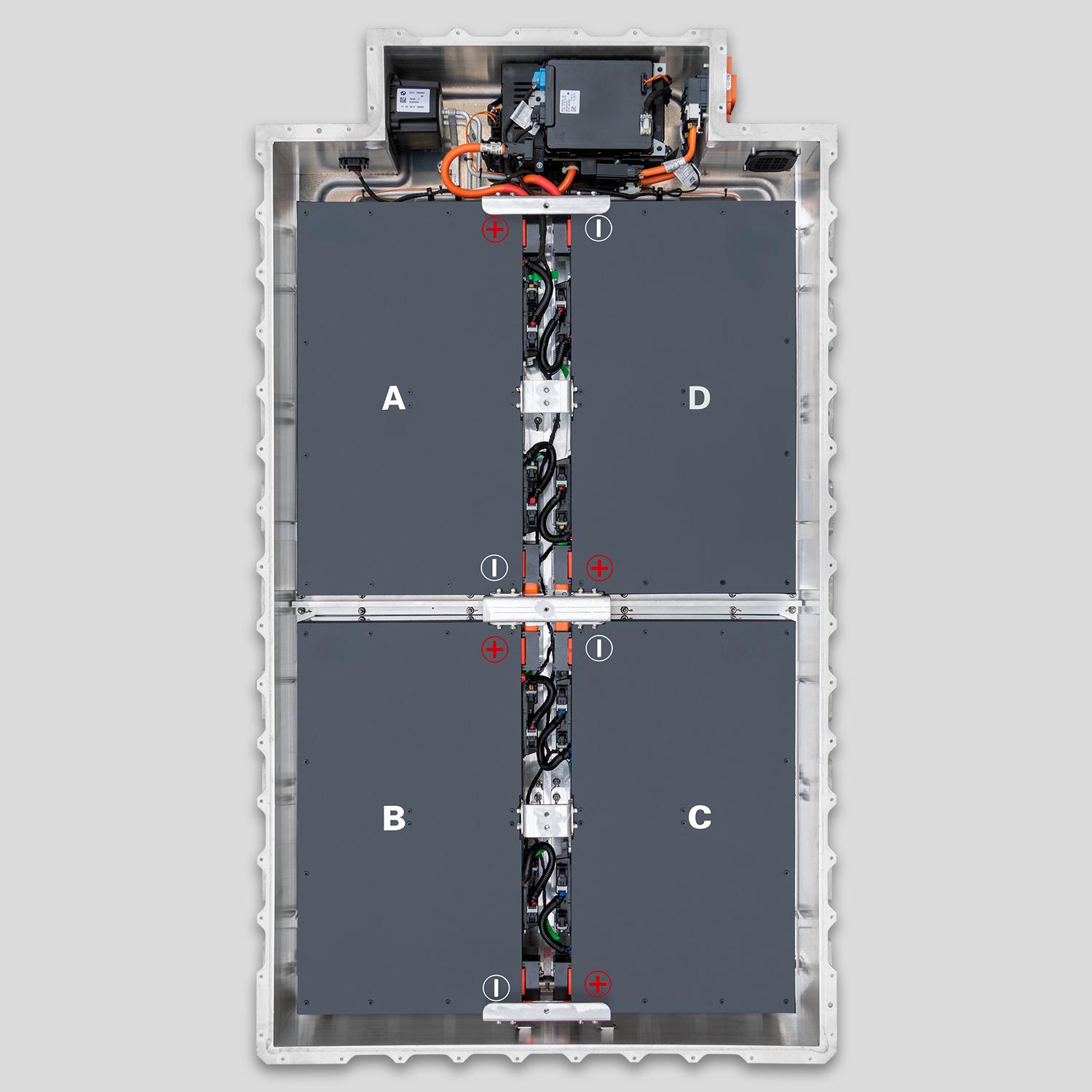
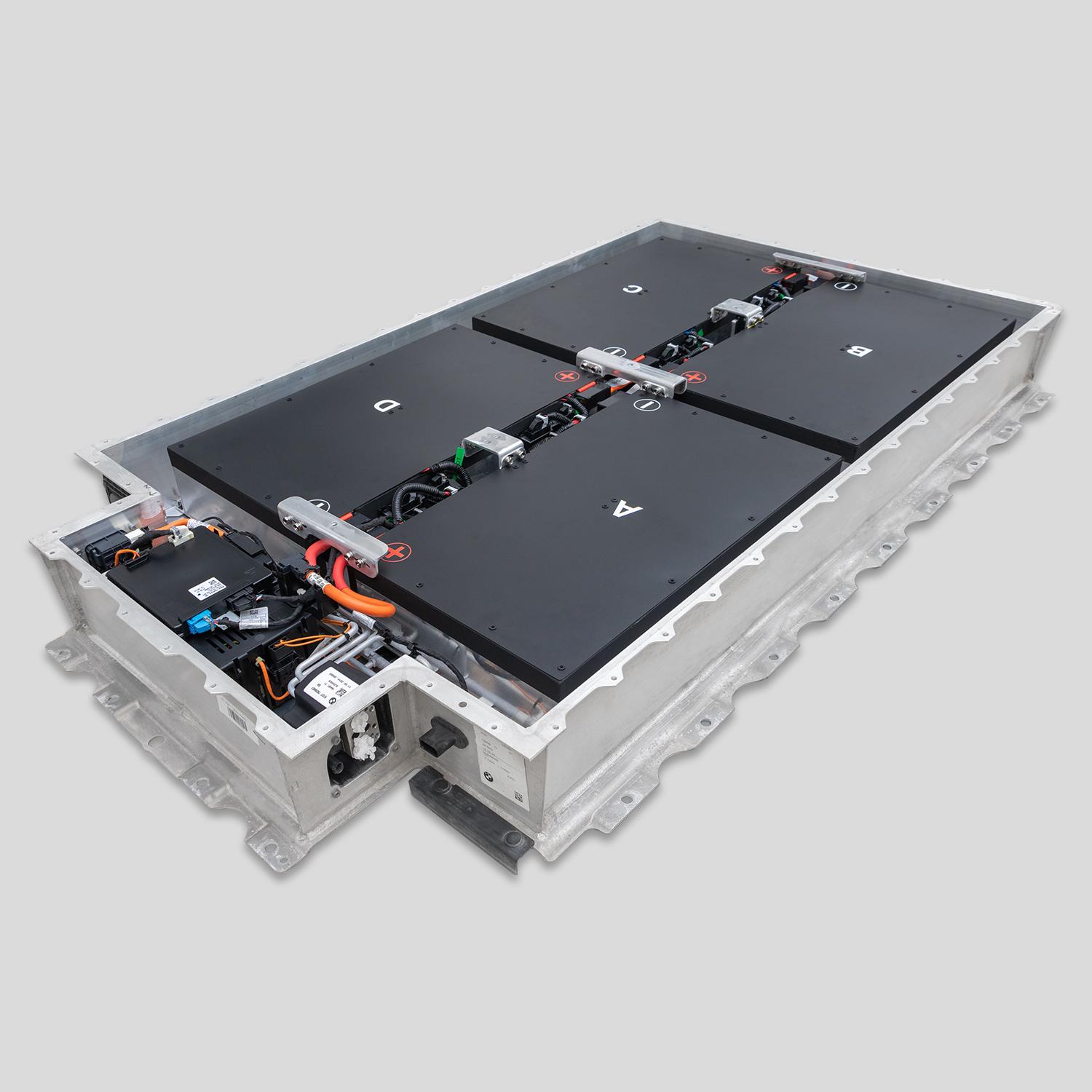
The Key Difference: Not all batteries handle the cold equally. Generic or refurbished batteries often lack the robust thermal management systems found in premium packs. At CNS Battery, our packs are designed with Original Factory Standards in mind, featuring intelligent thermal management that keeps the cells within their optimal operating window, even in sub-zero climates.
⚡ The Best Solution: Upgrading to a CNS Battery
If you are tired of range anxiety during the winter months, upgrading your battery is the most effective solution. Here is why a CNS Battery is the perfect partner for snowy adventures.
1. Unmatched Cold-Weather Performance
Our batteries utilize brand-new, top-tier CATL cells. Unlike recycled or refurbished cells—which often perform poorly in the cold—our cells are engineered for stability. They maintain a higher discharge rate in freezing temperatures, ensuring your heater and defrosters have the power they need without instantly draining the pack.
2. Intelligent Thermal Management
We do not just pack cells into a box. Our Battery Management Systems (BMS) are calibrated to actively manage temperature. This means that even when you start your car in a snowstorm, the BMS works to precondition the battery, ensuring maximum efficiency from the moment you press the accelerator.
3. Double the Capacity, Double the Confidence
One of the best ways to combat winter range loss is to start with more range. Many of our customers upgrade from a 40kWh or 62kWh pack to a high-capacity 68kWh or 75kWh solution.
- Scenario: If a standard 40kWh Leaf loses 30% range in snow (down to ~80 miles), upgrading to a 68kWh pack means you start with ~170 miles. Even after a 30% loss, you still have over 115 miles of reliable range—enough to handle daily commutes and unexpected detours.
Expert Insight: “Winter driving is about redundancy. An upgraded CNS battery doesn’t just give you more miles; it gives you the margin of safety you need when traction is low and temperatures are freezing.” — CNS Battery Engineering Team
🛠️ Winterizing Your Battery: 4 Pro Tips
Even with the best battery, preparation is key. Follow these four tips to maximize your Nissan Leaf’s performance in the snow.
1. Preconditioning is Mandatory
Always precondition your battery while it is still plugged in. This warms the cells to their optimal operating temperature (usually around 77°F / 25°C) before you unplug. This ensures you leave the driveway with maximum efficiency and regenerative braking capability.
2. Utilize the “12V” Battery Trick
The 12V auxiliary battery in your Leaf is critical for starting the high-voltage system. In extreme cold, this small battery can fail. If you park outside, consider using a battery maintainer or keeping a portable jump starter in your trunk.
3. Install Winter Tires
This might seem obvious, but it is worth repeating. Winter tires can improve your range by up to 15% in snowy conditions compared to all-season tires. They reduce rolling resistance on snow and ice, meaning your electric motor doesn’t have to work as hard.
4. Park Smart
If possible, park in a garage or use a thermal cover. Keeping the battery pack insulated from the direct cold helps it retain heat longer, reducing the energy needed to warm it up for your next drive.
📊 Why Choose CNS Battery for Your Winter Upgrade?
To help you make an informed decision, here is how our solution compares to the alternatives you might find online.
| Feature | CNS Battery (New CATL Cells) | Refurbished/Used Batteries | Original Manufacturer (OEM) |
|---|---|---|---|
| Winter Performance | Excellent (Stable discharge in cold) | Poor (Aged cells struggle in low temps) | Good (But expensive to replace) |
| Warranty | 2 Years / 80,000 km | Often None or Very Short | Usually 8 years / 100,000 miles* |
| Price | ~50% Less than OEM | Cheap upfront, high failure risk | Very Expensive |
| Risk of Swelling | Zero (New, high-quality cells) | High (Old cells degrade rapidly) | Low (But if it fails, cost is high) |
* Note: OEM warranties often have capacity retention clauses. Our warranty covers manufacturing defects and offers prorated coverage for performance degradation.
📝 Conclusion: Drive with Confidence This Winter
Driving a Nissan Leaf in the snow shouldn’t be a white-knuckle experience. By upgrading to a high-quality, cold-weather-capable battery from CNS Battery, you are investing in peace of mind. You get the reliability of new, premium cells, the confidence of a comprehensive warranty, and the freedom to explore winter landscapes without range anxiety.
Don’t let the weather dictate your driving. Upgrade to a CNS Battery today and feel the difference.
❓ Frequently Asked Questions (FAQ)
Q1: Can I install a larger battery (like a 68kWh) in my older Nissan Leaf (ZE0/AZE0)?
A: Absolutely. This is one of our most popular upgrades. Older Leafs (ZE0/AZE0) originally came with smaller packs (24kWh, 30kWh, 40kWh). Upgrading to a 62kWh or 68kWh pack is a “Plug and Play” solution with our compatible BMS. It effectively doubles your range, which is the best defense against winter loss.
Q2: How long does it take to install a new battery?
A: For a professional technician, the installation typically takes 1 to 2 hours. We provide detailed step-by-step installation videos and PDF guides. If you are a DIYer with basic tools, expect it to take a bit longer, but our customer service team offers video call support to guide you through the process.
Q3: What is the warranty on a CNS Battery in cold climates?
A: We offer a standard 2-year or 80,000 km warranty (whichever comes first). This covers defects in materials and workmanship. We also provide prorated coverage if the battery capacity drops below 70% during the warranty period. This warranty applies globally, giving you confidence no matter where you drive.
Q4: How do I get a quote for my winter upgrade?
A: Getting started is easy. Simply click the link below, select your Nissan Leaf model and the desired capacity (we recommend 62kWh or 68kWh for snowy areas), and our technical experts will provide a personalized quote.
Ready to upgrade your Nissan Leaf for the snow? Get your free custom quote now!