🛠️ The Ultimate DIY Guide to Installing a Nissan Leaf e+ (Plus) Battery Upgrade
If you own a Nissan Leaf and are tired of the “range anxiety” that comes with older battery technology, you’re likely researching the Nissan Leaf e+ battery upgrade. The prospect of nearly doubling your driving range is incredibly tempting, but the official dealership prices can be astronomical.
As an electric vehicle battery specialist, I’m here to tell you there is a smarter, more affordable path. You can achieve the performance of a Leaf e+ without the premium price tag. This guide will walk you through the DIY process of upgrading your Nissan Leaf battery to a high-capacity, new-cell solution, specifically focusing on the popular 62kWh and 68kWh options that mimic the e+ experience.
⚡ Why Upgrade to a “Leaf e+” Style Battery?
The standard Nissan Leaf models (ZE0, AZE0, ZE1) originally came with 24kWh, 30kWh, or 40kWh batteries. Over time, degradation reduces this range significantly. The Leaf e+ model, however, features a massive 62kWh battery pack, offering a real-world range of approximately 240-270 km (compared to 120-150 km for older packs).
The DIY Advantage: Instead of buying a brand new Leaf e+, you can purchase a brand new 62kWh lithium battery pack from a specialized manufacturer and install it yourself. This can save you tens of thousands of dollars while giving your car a “second life” with modern range capabilities.
🧰 Pre-Installation: Gathering Your Tools & Knowledge
Before you slide under your car, preparation is key. This isn’t just about swapping parts; it’s about understanding the system.
1. The “Brain” of the Battery: BMS Programming
This is the most critical step for a DIYer. The Battery Management System (BMS) must be programmed to communicate with your Leaf’s Vehicle Control Module (VCM).
- What you need: A CAN-USB adapter and the correct programming software.
- Expert Tip: Reputable suppliers (like CNS BATTERY) provide detailed video tutorials and remote support for this step. Do not skip the programming guide; a plug-and-play battery still needs “introduction” to the car’s computer.
2. Essential Safety Gear
Lithium batteries store immense energy. Safety is non-negotiable.
- Insulated Gloves: High-voltage rubber gloves are mandatory.
- Protective Eyewear: To prevent any debris or sparks from harming your eyes.
- Torque Wrench: For securely tightening high-voltage terminals to the manufacturer’s specification (usually around 5-7 Nm).
3. The Right Battery Cells
Not all batteries are created equal. For a true Leaf e+ upgrade, you need a battery built with brand new, grade-A cells (typically from CATL). Avoid used or refurbished packs; they won’t deliver the longevity or safety you need for this significant investment.
📦 Step-by-Step: The Installation Process
Most Nissan Leaf models (2011-2023) have a similar battery layout underneath the vehicle. Here is the general workflow:
Step 1: Power Down & Lift
- Disconnect the 12V auxiliary battery to cut all power.
- Safely lift the vehicle using a hydraulic jack and secure it with axle stands. Never work under a car supported only by a jack.
Step 2: Remove the Old Battery
- Remove the underbody plastic shields.
- Disconnect the high-voltage (HV) orange cables and the low-voltage communication cables.
- Remove the mounting bolts. This can be the most time-consuming part, as bolts may be rusted or tight. (Plan for about 40-60 minutes for removal).
Step 3: Install the New “e+” Battery
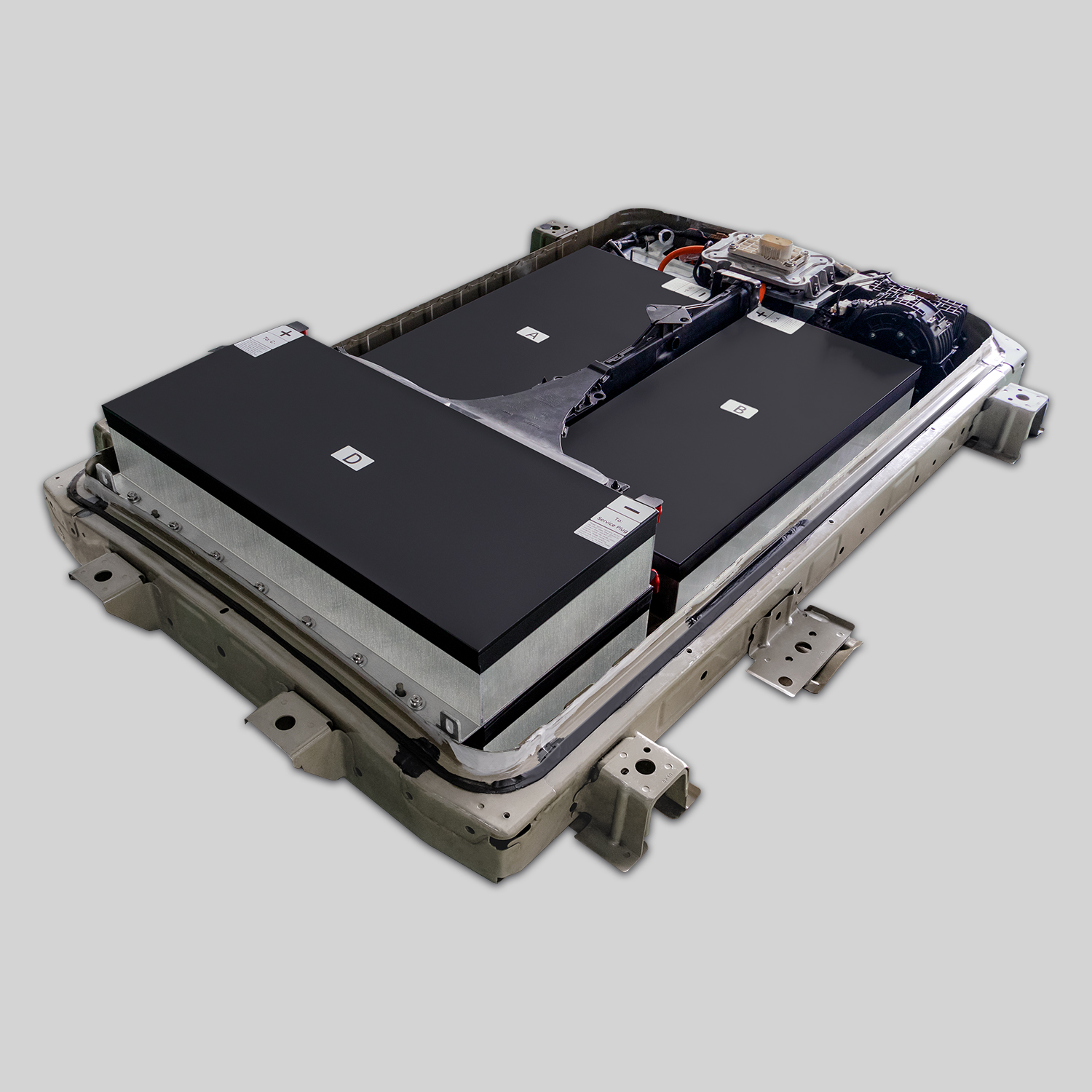
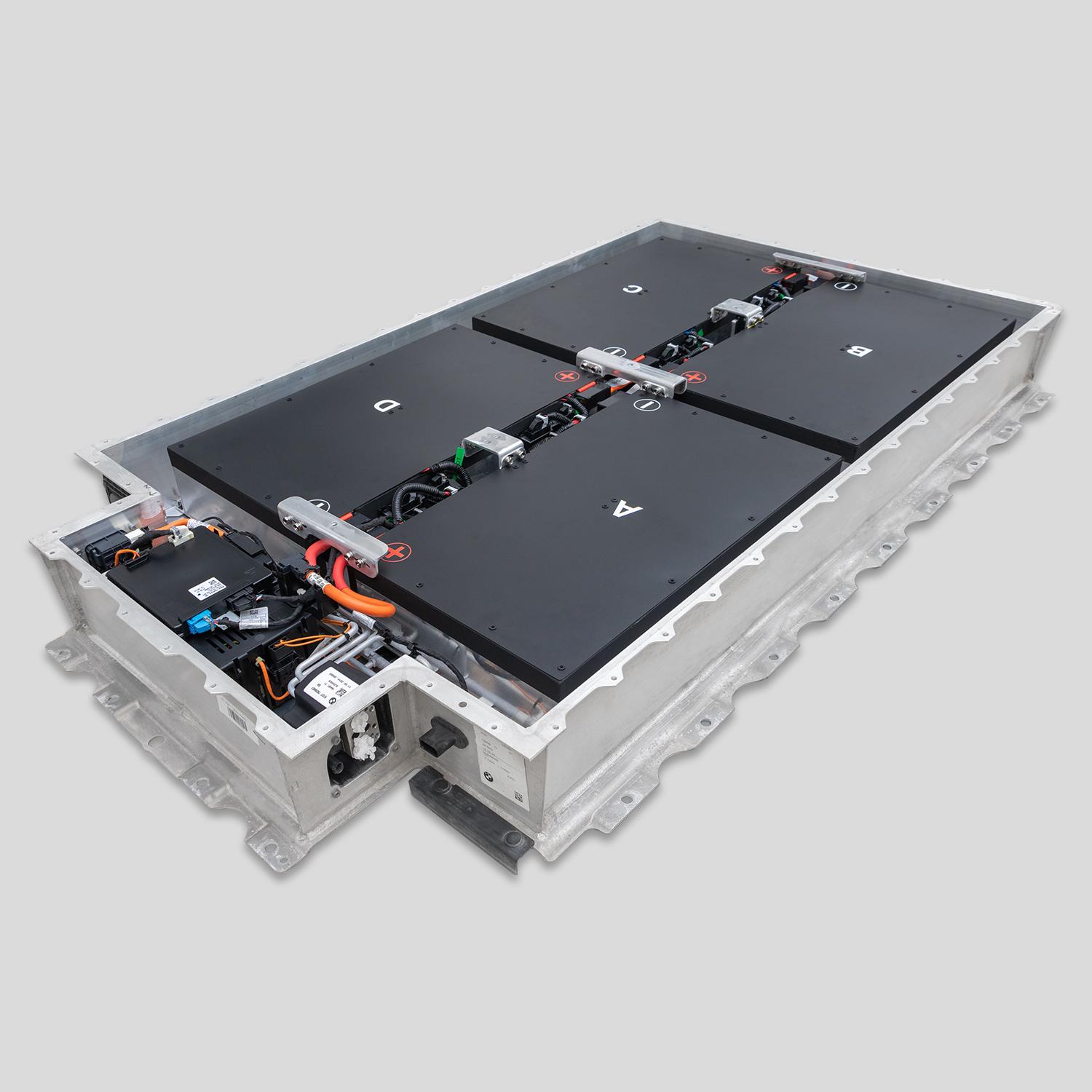
- Physical Fitment: A high-quality OEM-compatible battery (like those designed for Nissan Leaf ZE1) will bolt in perfectly using the factory mounting points. No modifications needed.
- Cable Connection: Connect the HV cables and the communication harness. Modern packs often use color-coded connectors to prevent mistakes.
- Torque Settings: Ensure all high-voltage terminals are tightened to the correct torque to prevent arcing or overheating.
Step 4: Reassembly
- Replace the underbody shields.
- Reconnect the 12V battery.
💻 Post-Installation: Programming & Testing
Once the physical install is done, the car likely won’t drive yet. You must program the BMS.
- Connect the Programmer: Plug the CAN adapter into the OBD2 port and your laptop.
- Upload the File: Use the provided software to upload the specific BMS code for your Nissan Leaf model.
- System Check: Turn the key to “On” (do not start). The dashboard should recognize the new battery. Check for error codes.
- First Drive: Take it slow for the first few kilometers. Monitor the battery percentage and temperature.
🤝 Why Choose a Professional Grade Solution?
While the DIY route is rewarding, the quality of the battery you choose determines your success.
When looking for a Nissan Leaf e+ battery solution, consider these factors:
- Zero Welding Design: Look for batteries that use bolt-together cell connections rather than spot welding. This makes future repairs or cell replacements infinitely easier if you ever need them.
- OEM Standards: The battery must meet the original factory standards for voltage, dimensions, and communication protocols.
- Warranty: A true confidence-builder. A warranty of 2 years or 80,000 km is the industry benchmark for a reason.
📝 Conclusion
Upgrading your Nissan Leaf to an e+ equivalent battery is one of the most cost-effective modifications in the EV world. By following this guide and utilizing the resources provided by your battery supplier, you can transform your daily driving experience.
Remember, the key to a successful DIY Nissan Leaf battery replacement is preparation, safety, and using a high-quality, new-cell battery pack.
Ready to start your upgrade journey?
👉 Get a Free Custom Quote for Your Nissan Leaf Battery Upgrade
❓ Frequently Asked Questions (FAQ)
Q1: Can I really do this installation myself?
A: Absolutely. While it requires mechanical aptitude, thousands of Leaf owners have successfully done this. If you can change your oil or tires, you likely have the skills. The most complex part is the BMS programming, but most suppliers offer video call support to walk you through it step-by-step.
Q2: How much will my range increase with a Leaf e+ (62kWh) battery?
A: You can expect a real-world range of 240km to 270km on a full charge, depending on driving conditions and temperature. This is a massive upgrade from the 120km-150km range of older 24kWh or 30kWh packs.
Q3: Is it safe to buy a third-party battery for my Nissan Leaf?
A: Yes, if you buy from a reputable manufacturer. Look for companies that use brand new CATL cells and provide a comprehensive warranty. Avoid “refurbished” or “used” batteries, as they pose safety risks and have unpredictable lifespans.
Q4: How long does the entire process take?
A: For a professional mechanic, it usually takes 1-2 hours. For a DIYer doing it for the first time, expect to spend 3-4 hours, including the time for BMS programming and system checks.
Q5: Will this void my car’s warranty?
A: Installing an aftermarket battery typically does not void the entire car warranty. However, it may affect the powertrain warranty specifically. It’s best to check your specific vehicle’s warranty terms.