Here is the SEO-optimized article tailored for the Nissan Leaf ZE1 battery replacement market.
Nissan Leaf ZE1 Battery Replacement Cost Trends: 2026 Market Analysis
The Nissan Leaf ZE1 (2021-2023 models) represents a significant shift in the electric vehicle landscape, moving away from the older Lizard/Microgrid packs to a modern laminated cell design. As these vehicles age, owners are increasingly facing the reality of battery degradation and the looming costs of replacement.
If you are looking at the Nissan Leaf ZE1 battery replacement cost trends for 2026, you are likely noticing a distinct market bifurcation. While the cost of new technology is falling, the price of Original Equipment Manufacturer (OEM) replacements remains prohibitively high for many. This guide will analyze the current market trends, compare the total cost of ownership between new, refurbished, and aftermarket solutions, and provide a realistic outlook on what you should expect to pay to keep your ZE1 on the road.
Understanding the Nissan Leaf ZE1 Battery Architecture
Before diving into the costs, it is crucial to understand what makes the ZE1 battery unique compared to older Leaf generations (ZE0/AZE0).
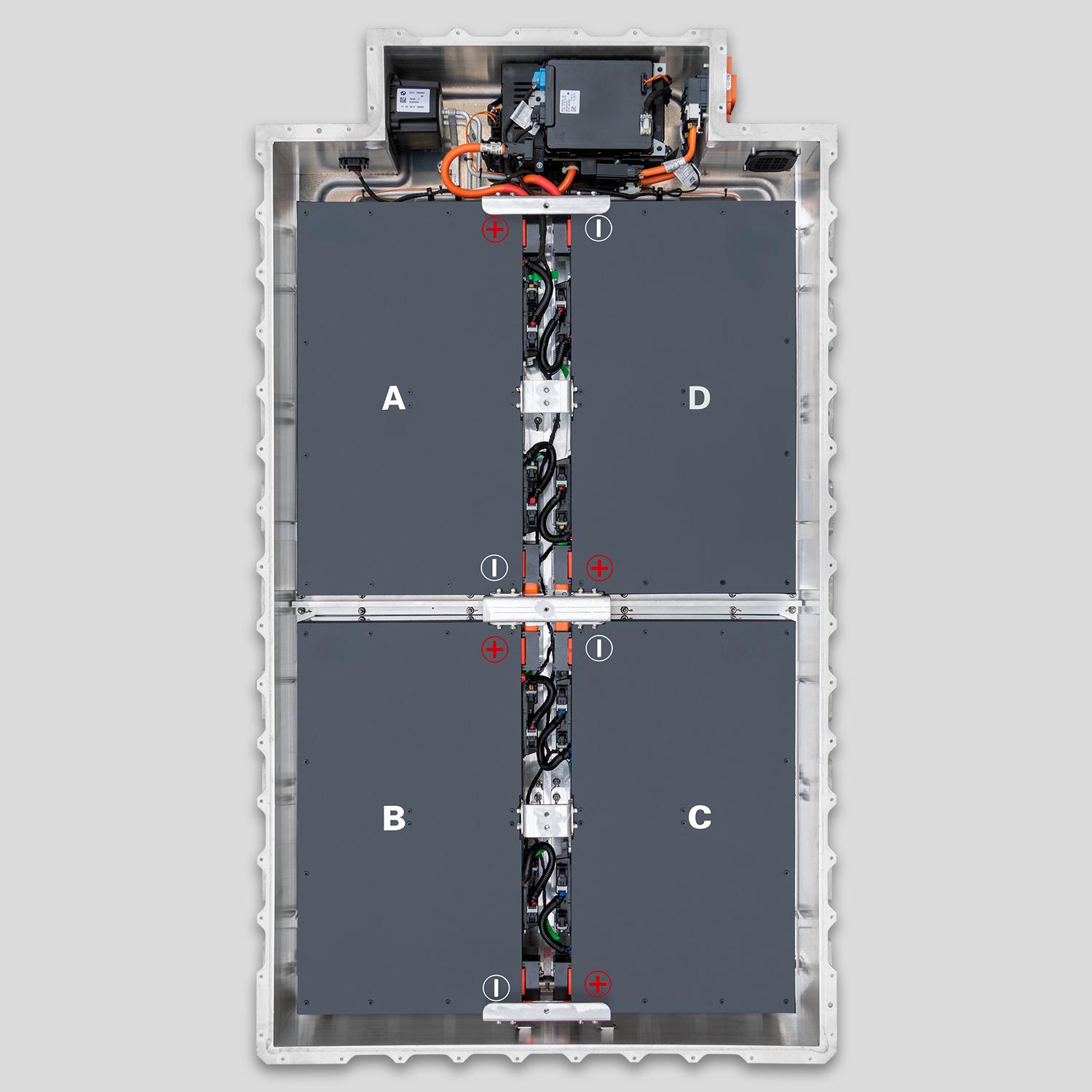
The Nissan Leaf ZE1 utilizes a laminated cell structure. This is a major technological upgrade from the prismatic cells found in earlier models. This architecture is shared with other major manufacturers, such as the BMW i3, which allows for a wider ecosystem of compatible parts and repair solutions.
Key Specifications:
- Available Capacities: 40kWh and 62kWh options.
- Cell Chemistry: Laminated (pouch) cells, typically supplied by major Tier-1 manufacturers.
- Market Impact: Because these cells are standardized, the aftermarket has developed robust, high-quality alternatives that meet OEM specifications at a fraction of the cost.
This standardization is the primary driver behind the emerging cost trends in 2026.
The 2026 Cost Breakdown: OEM vs. Aftermarket
When analyzing the Nissan Leaf ZE1 battery replacement cost trends, the data reveals a clear financial advantage for the aftermarket sector. Here is a comparative analysis of the current market landscape.
| Solution Type | Estimated Cost (USD) | Warranty Coverage | Longevity Outlook |
|---|---|---|---|
| OEM (Nissan Dealer) | $12,000 – $16,000 | Factory Standard | Excellent, but expensive |
| Refurbished/Recycled | $4,000 – $6,000 | Limited (3-6 months) | High risk of rapid degradation |
| Aftermarket (New Cells) | $6,000 – $8,500 | 2 Years / 80,000 km | Excellent (New Cell Quality) |
The Trend: The “Value Gap” is Widening
The data indicates that while OEM prices remain static or rise due to supply chain constraints, the quality of aftermarket solutions is improving. In 2026, the trend is shifting away from “cheap” refurbished batteries—which often fail within 6-12 months—towards “New Cell” aftermarket solutions.
Why the Aftermarket is Dominating the 2026 Market
Based on our experience at CNS BATTERY and feedback from our network of mechanics and EV owners, three primary factors are driving the Nissan Leaf ZE1 battery replacement cost trends in 2026:
1. The Refurbished Trap is Fading
In previous years, the only alternative to the expensive OEM battery was the “recycled” or “refurbished” market. However, 2026 data shows a significant drop in consumer trust for these solutions. Most recycled packs for the ZE1 are sourced from vehicles that have already traveled over 100,000 miles. The result? A high failure rate and a negative impact on the vehicle’s resale value. Consumers are now prioritizing longevity over a low initial price.
2. Supply Chain Maturity for Laminated Cells
The ZE1’s laminated cell design uses components that are widely available. Manufacturers like CATL and BYD are producing these cells at scale for the global market. This abundance of raw materials has allowed specialized aftermarket producers to offer brand-new cell packs at prices that undercut the OEM by approximately 50%.
3. The Rise of the “Plug-and-Play” Standard
One of the biggest hurdles for ZE1 owners was the fear of complex installation. However, 2026 trends show a standardization of the Plug-and-Play interface. Modern aftermarket packs are designed with OEM-level BMS (Battery Management System) programming, allowing for a seamless swap without the need for complex coding or modifications. This reduces labor costs and installation time, further improving the cost-per-mile ratio.
The Total Cost of Ownership (TCO) Analysis
To truly understand the Nissan Leaf ZE1 battery replacement cost trends, you must look beyond the sticker price.
- OEM Route: While safe, the $15,000 price tag often exceeds the resale value of the vehicle itself. This creates a “financial cliff” where repair is not viable.
- Refurbished Route: A $5,000 refurbished battery might save money initially, but if it fails in 12 months, the owner is back at square one, having wasted $5,000 and lost the value of their car.
- New Aftermarket Route: Investing $7,800 in a new pack with a 2-year warranty offers the best TCO. With a lifespan projected to exceed 8-10 years (based on the cycle life of new laminated cells), this solution restores the vehicle’s value and utility.
How to Choose the Right Solution for Your ZE1
Given the market trends, here is our expert advice for 2026:
- Verify the Cell Source: Do not buy a “black box” battery. Ensure the supplier discloses the cell manufacturer (e.g., CATL, CALB). New cells are the only way to guarantee the 400km+ range the ZE1 was designed for.
- Check the Warranty: A warranty of at least 2 years or 80,000 km is the industry standard for quality aftermarket products. Anything less is likely a refurbished pack.
- Confirm Compatibility: While the ZE1 uses laminated cells, there are slight variations between the 40kWh and 62kWh models. Always provide your VIN to the supplier for a compatibility check.
Conclusion
The Nissan Leaf ZE1 battery replacement cost trends of 2026 point towards a clear winner: the high-quality aftermarket. With prices stabilizing around the $7,000-$8,000 mark for a brand-new cell pack, owners no longer need to choose between bankruptcy (OEM) or a gamble (refurbished).
By opting for a certified aftermarket solution, you are not just replacing a battery; you are resetting the clock on your vehicle’s life cycle. This is the most cost-effective way to maintain the reliability and performance of your Nissan Leaf ZE1 in the current market.
Frequently Asked Questions (FAQ)
Q1: Is an aftermarket battery safe for my Nissan Leaf ZE1?
A: Yes, when purchased from a reputable manufacturer. Look for suppliers that use brand-new, Grade A cells from manufacturers like CATL. Reputable companies also include robust Battery Management Systems (BMS) that meet or exceed OEM safety standards to prevent overcharging or overheating.
Q2: Will an aftermarket battery void my car’s warranty?
A: Generally, no. In most jurisdictions, a car manufacturer cannot void your entire vehicle warranty simply because you installed an aftermarket part, unless that specific part caused the damage. However, the warranty on the battery itself will be from the aftermarket supplier, not Nissan.
Q3: How long does a replacement battery last?
A: A battery made with brand-new laminated cells (like those used in the ZE1) typically lasts 8-10 years or 1500+ charge cycles under normal driving conditions. This is significantly longer than a refurbished pack, which may only last 1-2 years.
Q4: Can I install the battery myself?
A: While it is technically possible, we strongly recommend professional installation. The ZE1 battery weighs approximately 300-400 kg and requires specific lifting equipment. Additionally, the BMS often requires specific programming protocols to integrate with the vehicle’s dashboard. Professional mechanics can usually complete the job in 1-2 hours.
Q5: How do I get a quote for my specific car?
A: The best way to get an accurate quote is to contact a specialized supplier directly. They will need your VIN (Vehicle Identification Number) to confirm the exact specifications of your ZE1 (40kWh vs. 62kWh) and provide a price that includes shipping and handling.
Ready to restore your Nissan Leaf ZE1’s range? Contact our technical experts now for a free, no-obligation quote and compatibility assessment.