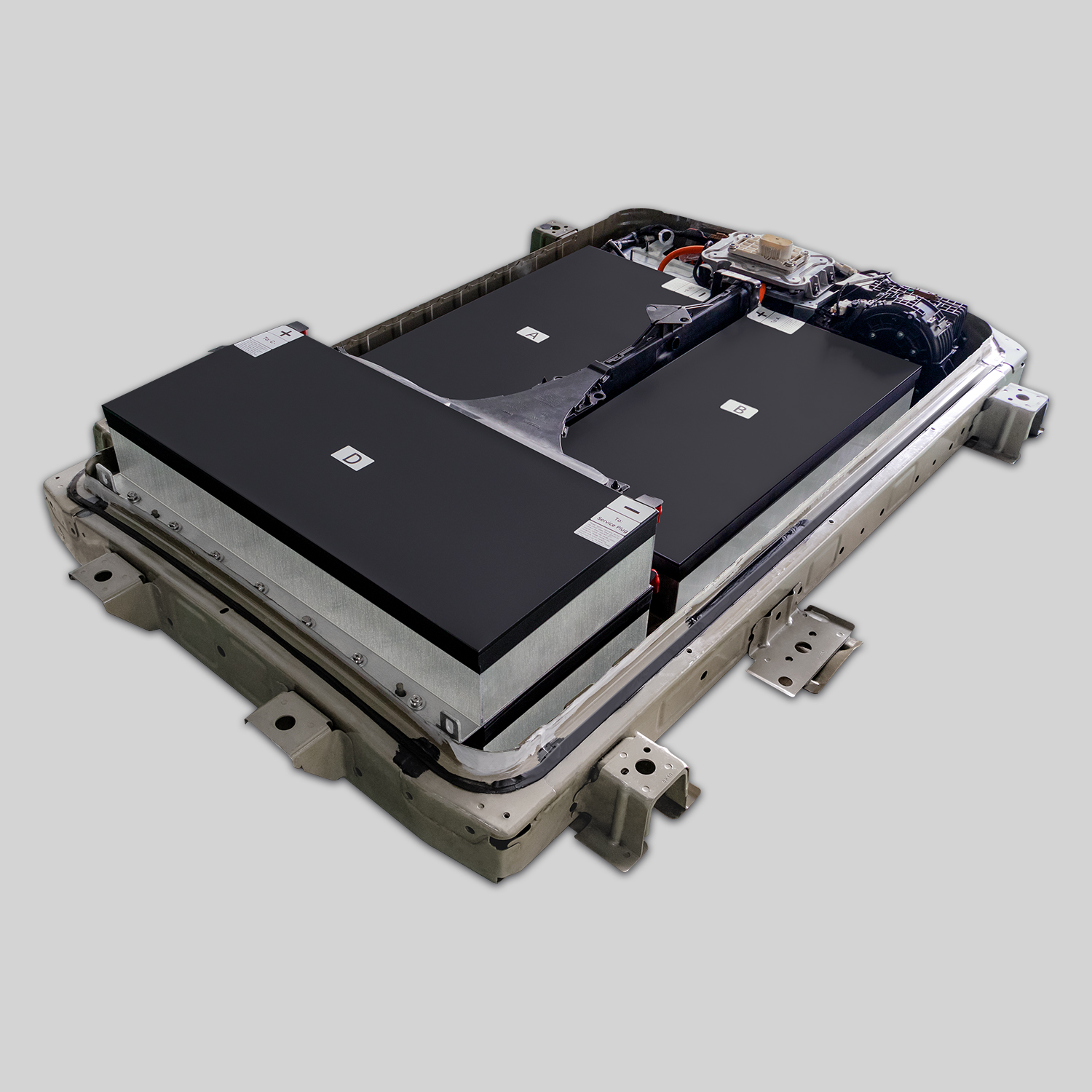
Top DIY Resources for New Nissan Leaf 40kWh Swap
If you drive a Nissan Leaf and are facing the dreaded “Battery Degradation,” you know the feeling: range anxiety creeping in, and the fear that your car might become scrap metal. You’ve likely seen the astronomical quotes from dealerships—often exceeding $16,000 USD for a factory replacement.
But there is a solution that doesn’t break the bank. Swapping your old, degraded pack for a brand new 40kWh Nissan Leaf battery is not just a repair; it’s a resurrection of your vehicle. This guide is designed for the do-it-yourselfer looking to cut costs and regain confidence on the road.
Why Choose a 40kWh Battery for Your Leaf?
The 40kWh battery pack is the “Goldilocks” zone for many Leaf owners. It offers a perfect balance between cost, range, and compatibility.
Unlike the older 24kWh or 30kWh models, the 40kWh upgrade provides a realistic real-world range of approximately 140-160 miles (225-257 km). This is more than sufficient for daily commutes and weekend errands, even with climate control running. If your current Leaf has a smaller pack (like the 24kWh), upgrading to the 40kWh is one of the most cost-effective mods in the EV world, effectively turning a “neighborhood electric vehicle” into a proper daily driver.
Essential DIY Resources for a Successful Swap
Tackling a battery swap is a significant project, but it is entirely manageable with the right preparation. Here are the top resources you need to ensure a smooth installation:
1. High-Definition Installation Videos
Before you even pick up a wrench, you must watch the installation tutorials. A good video walkthrough is worth a thousand manuals.
- What to look for: Step-by-step guides showing the disconnection of the 12V auxiliary battery, the removal of the underbody shields, and the physical extraction of the old pack.
- Key Insight: The process is largely “Plug-and-Play.” Most aftermarket 40kWh packs, like those engineered to OEM standards, use the same connectors and communication protocols as the original Nissan hardware. This means no cutting or splicing wires.
2. Technical Support & Remote Guidance
Even with a video, you might hit a snag. The best resource for a DIYer is a vendor that offers real-time technical support.
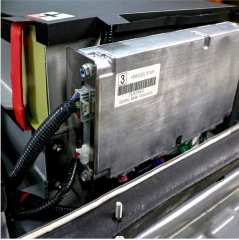
- The Safety Net: Look for suppliers who offer video call support (via Zoom or WhatsApp). If you get stuck on the BMS (Battery Management System) handshake or a wiring connection, having an engineer guide you visually can save hours of frustration and prevent damage to the new pack.
3. Compatibility Checklists (VIN Verification)
Not all 40kWh packs are identical across model years. Before purchasing, use a VIN compatibility checker.
- Why it matters: The connectors, mounting points, and cooling systems can vary slightly between the ZE0, ZE1, and AZE0 chassis codes. A mismatch here can turn a 4-hour job into a nightmare.
Step-by-Step: The DIY Installation Process
Based on industry standards and user feedback, here is a general outline of what your swap will look like.
Phase 1: Preparation (30 Minutes)
Safety is paramount. You are dealing with high-voltage DC electricity.
- Park Safely: Ensure the car is on level ground with the parking brake engaged.
- Disconnect Power: Remove the negative terminal of the 12V auxiliary battery. Wait at least 10 minutes to allow the capacitors in the inverter to discharge.
- Gather Tools: You will need a torque wrench, jack stands, ratchets, and insulated gloves.
Phase 2: Removal of the Old Pack (1.5 – 2 Hours)
- Remove Shields: Take off the plastic underbody shields.
- Drain Coolant: If your model uses liquid cooling (some 40kWh variants do), you must drain the coolant into a container.
- Disconnect HV & LV: Unplug the high-voltage orange cables and the low-voltage communication harnesses.
- Unbolt: Remove the mounting bolts securing the battery to the chassis. The old pack is heavy (around 600 lbs / 272 kg), so you will need a transmission jack or engine hoist to support it as you slide it out.
Phase 3: Installing the New 40kWh Pack (1.5 Hours)
- Lift and Align: Carefully lift the brand new 40kWh battery into place using your hoist.
- Bolt Down: Secure it with the mounting bolts, torquing them to the manufacturer’s specification.
- Reconnect: Attach the coolant lines (if applicable), plug in the communication harnesses, and finally reconnect the high-voltage cables.
- Refill: Top up the coolant reservoir.
Why “New” Beats “Refurbished” or “Remanufactured”
When sourcing your 40kWh pack, you will see options labeled “Refurbished” or “Used.” As an expert, I strongly advise against these for a DIY swap.
- The Hidden Risk: Refurbished packs are often made from recycled cells. These cells have already completed a significant portion of their lifecycle. You might get 6 months or 2 years out of them, but there is no longevity guarantee.
- The Superior Choice: A brand new 40kWh Nissan Leaf battery, built with fresh, top-tier cells (such as those from CATL), offers a lifespan measured in decades, not months. You want a battery that matches the original factory quality, not one that is cobbled together from scrap.
Maximizing Value: The 40kWh vs. 62kWh Dilemma
You might be wondering, “Should I just go for the 62kWh upgrade instead?”
For a pure DIY resource guide, the 40kWh remains the top recommendation for most users because:
- Cost: It is significantly cheaper than the 62kWh variant, allowing you to stay within a realistic DIY budget.
- Simplicity: The 40kWh pack has a simpler internal structure in many Leaf models compared to the larger packs, making the physical swap easier for a home mechanic.
- Sufficiency: Unless you are doing long-haul trucking, the 40kWh provides ample range for 95% of drivers.
Post-Installation: Getting Back on the Road
Once the new pack is in, reconnect the 12V battery. The car should recognize the new battery immediately. However, there are a few final checks:
- System Check: Turn the car on (do not drive yet). Check the dashboard for any error codes.
- BMS Sync: In some cases, the Battery Management System needs to “learn” the new cells. This usually happens automatically during the first charge cycle.
- The First Charge: Plug the car into a Level 2 charger. Monitor the charging process to ensure the temperature management system is working correctly.
Frequently Asked Questions (FAQ)
Q1: How long does it take to install a new 40kWh Nissan Leaf battery?
For a professional mechanic, the job typically takes 1 to 2 hours. For a DIYer with a helper and the right tools (like a transmission jack), it usually takes 3 to 4 hours. The most time-consuming part is often removing the underbody shields and safely maneuvering the heavy pack out of the vehicle bay.
Q2: Is it safe for a home mechanic to do this swap?
Yes, provided you follow strict safety protocols. The absolute rule is to disconnect the 12V auxiliary battery first and wait before touching any high-voltage components. The actual installation is largely mechanical (bolting) and electrical (plugging in connectors). If you are unsure about the BMS programming or wiring, utilize video call support from your supplier.
Q3: What is the real-world range of a new 40kWh Nissan Leaf battery?
A brand new 40kWh pack provides a real-world range of approximately 140 to 160 miles (225-257 km). This is a significant upgrade from the older 24kWh models (which struggle to reach 80 miles) and is sufficient for 95% of daily driving needs, even with air conditioning or heating in use.
Q4: How do I ensure the battery is compatible with my specific Leaf model?
You must verify your chassis code. The 40kWh pack fits the Leaf ZE0, ZE1, and AZE0 models. Before ordering, provide your Vehicle Identification Number (VIN) to the supplier for a free compatibility check. This ensures that the mounting points, connectors, and cooling ports match your specific vehicle year and trim.
Q5: What kind of warranty should I expect on a DIY battery swap?
You should look for a comprehensive warranty that covers both parts and performance. A standard industry-leading warranty for a new 40kWh pack is typically 24 months or 80,000 km, whichever comes first. This warranty should cover defects in materials and workmanship, as well as performance degradation (ensuring the battery retains at least 70% of its capacity during the warranty period).
Ready to Revive Your Leaf?
Swapping your Nissan Leaf’s battery is no longer a mysterious procedure reserved for dealerships. With the right 40kWh battery and the wealth of online resources, you can add another 100,000 miles to your car.
Don’t let a dead battery kill your EV dreams. If you need a compatibility check or want to explore pricing for a brand new OEM-standard 40kWh pack, get in touch with our technical experts today.