🔋 Best Warranty Plans for New Nissan Leaf Plus
The Nissan Leaf Plus (specifically the ZE1 model) is a workhorse, but battery degradation or failure can turn it into a paperweight. If you’re facing a dead battery, you likely know that the original manufacturer (Nissan/AESC) charges a premium, often exceeding $10,000 USD. As a battery expert, I understand that replacing the heart of your EV is a high-stakes decision. You need a solution that balances performance, cost, and most importantly, long-term security.
This guide is designed to help you navigate the aftermarket landscape and find the best warranty plans that protect your investment. We will focus on the criteria that matter most: coverage duration, capacity retention guarantees, and the reputation of the supplier.
⚠️ The Warranty Trap: Why “Cheap” Batteries Fail You
Before we dive into the best plans, it’s crucial to understand why warranty is the single most important factor when buying a Leaf Plus battery.
Many suppliers offer “cheap” refurbished or reconditioned batteries with no warranty or very short coverage (e.g., 3-6 months). This is a gamble you cannot afford to take. Lithium-ion cells degrade over time. If a supplier isn’t willing to back their product with a long-term warranty, it usually means they know the cells are already old or defective.
When evaluating a warranty, look for these red flags:
- Vague language: “Limited warranty” without specific kilometer or year coverage.
- No capacity guarantee: A warranty that covers “defects” but not “capacity fade.”
- No return policy: If the battery doesn’t fit or is faulty, can you get a refund or replacement?
🏆 The Gold Standard: Evaluating Top Warranty Plans
Based on current market standards and user feedback, the best warranty plans for a Nissan Leaf Plus (ZE1) should offer a balance of time and mileage, coupled with a performance guarantee.
1. The 2-Year / 80,000km Benchmark
Currently, the industry-leading standard for high-quality aftermarket batteries is the 2-Year / 80,000km warranty. This benchmark is significantly better than the standard 1-year warranty offered by many competitors.
- Why it matters: This duration proves the supplier has confidence in the cell chemistry and the build quality. It covers you through multiple seasons of charging and discharging.
- The “Whichever Comes First” Clause: A solid warranty will state it covers the period until either 2 years pass or 80,000km are driven. This protects both you and the manufacturer.
2. The Capacity Retention Guarantee
A warranty is only as good as the fine print. The best plans include a capacity retention guarantee.
- The 70% Rule: The top-tier plans guarantee that your battery will retain at least 70% of its original capacity throughout the warranty period. If it drops below this threshold due to manufacturing defects, the supplier should offer a free replacement or repair.
- Peace of Mind: This ensures you aren’t stuck with a battery that loses charge too quickly after installation.
3. Pro-Rated Coverage vs. Full Replacement
Understand the difference between these two common structures:
| Coverage Type | What it means for you | Risk Level |
|---|---|---|
| Full Replacement (Best) | If a defect is found, they send a new battery. You pay shipping. | Low |
| Pro-Rated (Common) | The value of the replacement decreases over time. You pay the difference. | Medium |
| No Coverage (Avoid) | You are on your own after the initial short period. | High |
🛠️ Why the Nissan Leaf Plus ZE1 Needs Specialized Protection
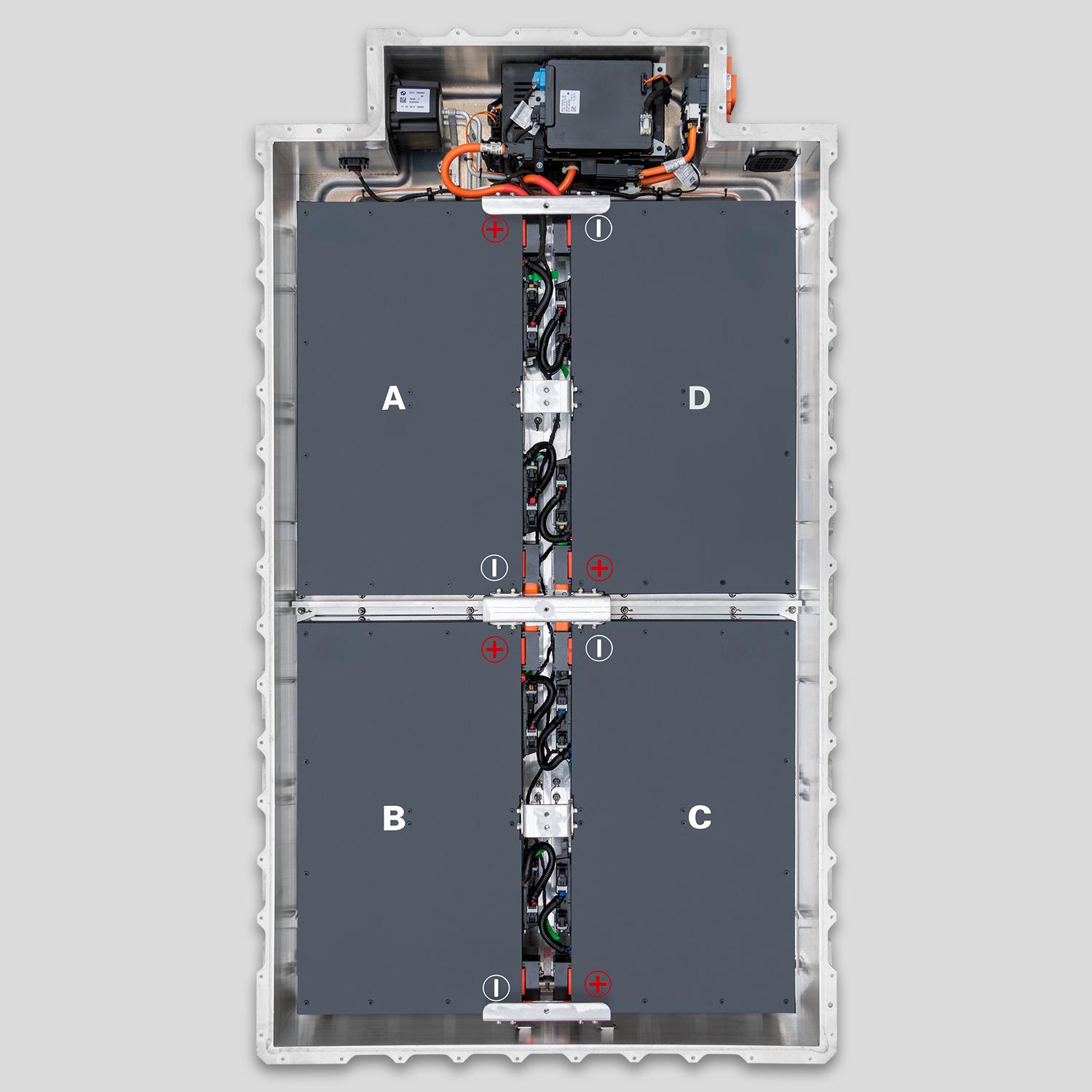
The Nissan Leaf Plus (ZE1) uses a different battery chemistry (NMC) compared to the older Leaf models (ZE0/AZE0, which use LMO). This requires specific warranty considerations.
- Chemistry Matters: The ZE1 uses 62kWh NMC (Nickel Manganese Cobalt) cells. These cells have a longer lifespan than the older LMO chemistry but are more sensitive to voltage imbalances.
- BMS Compatibility: A good warranty should cover the Battery Management System (BMS). If the BMS fails (which is common in Leafs), your warranty should cover the repair or replacement, not just the cells.
- OEM Fitment: The best warranty plans are only offered by suppliers who guarantee OEM (Original Equipment Manufacturer) compatibility. This means the battery fits perfectly into your chassis without modifications, reducing the risk of physical damage that could void a warranty.
💰 Cost vs. Coverage: The Value Equation
You might see a battery priced at $5,000 with a 6-month warranty and another priced at $8,000 with a 2-year warranty. Which is cheaper?
The math is simple:
- Option A (Cheap): $5,000 + $5,000 (replacement in 1 year) = $10,000 for 1 year of use.
- Option B (Premium): $8,000 for 2+ years of use = $8,000.
Always choose the premium warranty. It saves you money in the long run and eliminates the stress of a potential failure.
📝 Your Action Plan: Getting the Best Deal
If you are ready to replace your Nissan Leaf Plus battery, follow these steps to ensure you get the best warranty plan:
- Verify the VIN: Before purchasing, provide your Vehicle Identification Number (VIN) to the supplier. This confirms that the battery is compatible with your specific ZE1 model year.
- Ask for the PDF: Request a copy of the full warranty terms before you pay. Do not rely on verbal promises.
- Check the Cells: Ensure the battery uses brand-new cells (typically from CATL). Refurbished cells rarely last through a 2-year warranty.
- Installation Support: The best warranty plans come from companies that offer installation guides or technical support. If they don’t help you install it, they won’t help you fix it.
❓ Frequently Asked Questions (FAQ)
Q1: What happens if my Leaf Plus battery fails right after the warranty expires?
A: This is why the length of the warranty is critical. A 2-year warranty provides a buffer. If a battery is built with new cells and proper quality control, it should last 5-8 years. If it fails right after 2 years, it indicates a manufacturing defect that should have been caught earlier. Buying from a supplier with a long warranty reduces this “cliff risk.”
Q2: Does the warranty cover “bricking” or BMS errors?
A: Yes, a comprehensive warranty should cover BMS errors and “bricking” (when the car doesn’t recognize the battery). However, this usually requires proof that the error was not caused by user modification or physical damage. Ensure the warranty explicitly mentions BMS coverage.
Q3: Can I transfer the warranty if I sell my car?
A: Most commercial warranties are tied to the vehicle’s VIN, not the owner. However, many manufacturers do not allow the warranty to be transferred to a second owner. Check the specific terms, but generally, the warranty benefits the current buyer.
Q4: What is the average lifespan of a new replacement battery?
A: A high-quality replacement battery using new NMC cells (like those used in the Leaf Plus) typically lasts 8 to 10 years under normal driving conditions. This is significantly longer than the 3-5 years you might get from a refurbished pack.
Q5: How long does shipping take for international customers?
A: For customers outside of China, shipping times vary. Air freight usually takes 1-2 weeks, while sea freight can take 4-8 weeks. The best warranty plans include DDP (Delivered Duty Paid) shipping, meaning you don’t have to worry about customs clearance.
Ready to secure your Nissan Leaf Plus with the best warranty on the market?
Don’t let a bad battery ruin your driving experience. Get a free, no-obligation quote today and upgrade to a battery that offers true peace of mind.