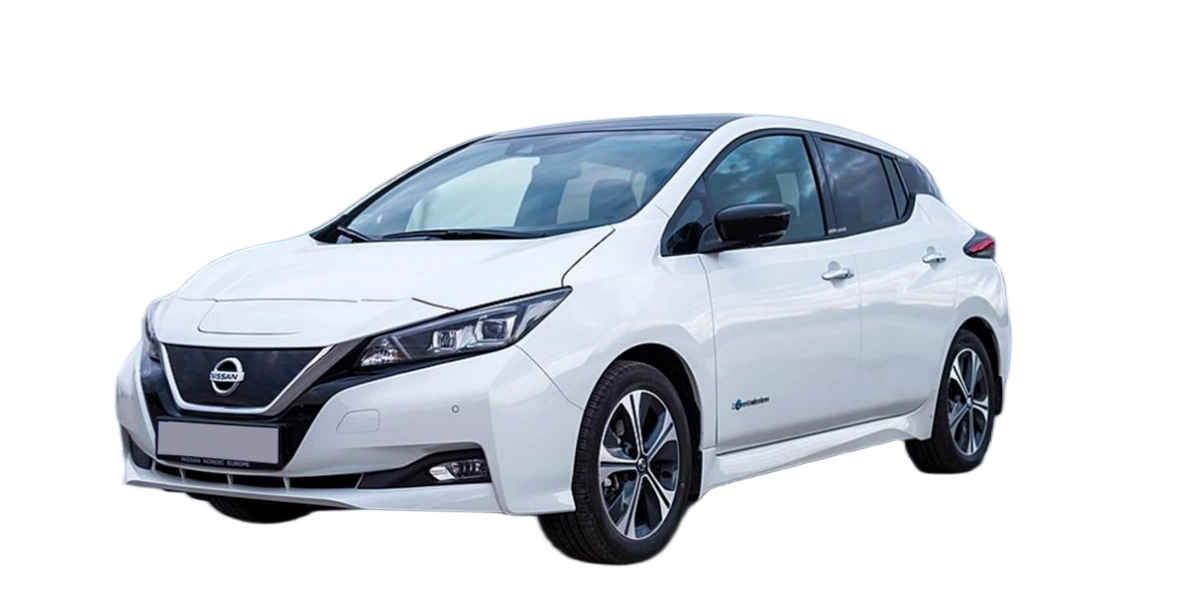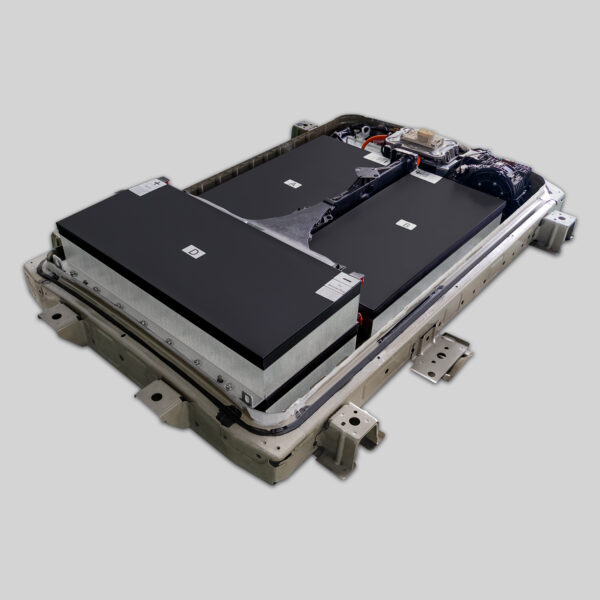
Best New Battery Alternatives for 2011 Leaf ZE0
The Nissan Leaf ZE0 (2011-2012 models) is a pioneer in the EV market, but its original battery packs are now facing inevitable degradation. If you own a 2011 Leaf and are struggling with “range anxiety” or error codes, replacing the battery is often more cost-effective than buying a new car. However, the market is flooded with options ranging from used packs to new OEM replacements.
As a specialized EV powertrain manufacturer, we understand the unique requirements of the ZE0 chassis. This guide will walk you through the best new battery alternatives available today, focusing on performance, safety, and value.
Why the 2011 Nissan Leaf ZE0 Needs a Modern Solution
The original 24 kWh lithium-ion battery pack in the 2011 Leaf was groundbreaking for its time. However, after more than a decade of use, these packs typically suffer from significant capacity loss. Many owners report their range dropping below 60 miles (100 km), rendering the car unusable for daily commutes.
The core challenge for ZE0 owners is finding a battery that:
- Matches the physical dimensions: The ZE0 has a specific underbody mounting structure.
- Integrates with the BMS: The Battery Management System must communicate seamlessly with the vehicle.
- Offers superior chemistry: Modern Lithium Iron Phosphate (LFP) or upgraded NMC cells offer better thermal stability than the original design.
The Market Landscape: Used vs. OEM vs. Aftermarket
Before diving into specific alternatives, it is crucial to understand the trade-offs between different types of replacement batteries.
| Battery Type | Cost Estimate | Expected Lifespan | Risk Level | Best For |
|---|---|---|---|---|
| Used/OEM Refurbished | $2,000 – $4,000 | 1-2 Years | High (Cell Degradation) | Short-term fixes or low-mileage drivers |
| New OEM (Nissan) | $8,000 – $12,000+ | 5-8 Years | Low | Owners prioritizing factory warranty over cost |
| Premium Aftermarket (e.g., CNS) | $4,000 – $6,500 | 5-10 Years | Low (With Warranty) | Owners seeking the best value and modern tech |
Top 3 New Battery Alternatives for Your 2011 Leaf
Based on current market availability and technological advancements, here are the top solutions for revitalizing your 2011 Leaf ZE0.
1. The High-Capacity Upgrade: 62 kWh Lithium Battery Pack
For ZE0 owners who want to transform their driving experience, upgrading to a 62 kWh pack is the ultimate solution. Unlike the original 24 kWh pack, this modern alternative effectively doubles (or even triples) your driving range.
- Technical Specs: This pack utilizes new CATL brand cells (Lithium NMC), ensuring high energy density and safety.
- Compatibility: Specifically designed for the ZE0 chassis, it features a plug-and-play connection for the Battery Control Module (BCM).
- Performance: Expect a full charge range of approximately 245 km (152 miles) in real-world conditions, effectively bringing your 2011 Leaf up to modern EV standards.
- Why Choose This: If you use your Leaf for daily commuting or longer trips, the 62 kWh pack eliminates the “range anxiety” associated with the 2011 model.
2. The Balanced Choice: 40 kWh Lithium Battery Pack
If the 62 kWh upgrade seems excessive for your needs, or if you live in a region with extreme temperatures that affect battery chemistry, the 40 kWh pack offers a perfect middle ground.
- Technical Specs: This pack provides a significant boost over the original 24 kWh while maintaining a lower weight.
- Performance: It delivers a reliable range of about 180 km (112 miles), which is sufficient for city driving and errands.
- Thermal Management: This option often includes improved thermal management systems compared to the original, preventing overheating in summer and maintaining efficiency in winter.
3. The Modern Safety Standard: 45 kWh LFP (Lithium Iron Phosphate)
While the ZE0 was not originally designed for LFP, newer aftermarket solutions are adapting this chemistry for older chassis due to its inherent safety advantages.
- Safety First: LFP chemistry is renowned for its thermal stability. It is much less prone to thermal runaway (fire) compared to traditional NMC batteries.
- Longevity: LFP batteries typically offer a longer cycle life, often exceeding 3000-5000 cycles.
- Consideration: LFP cells have a slightly lower energy density, so ensure the physical dimensions fit your ZE0’s battery bay (some modification might be required depending on the supplier).
Making the Decision: OEM vs. Aftermarket
Many owners wonder if they should pay the premium for a Nissan OEM replacement. While OEM parts are reliable, the cost is often prohibitive. A high-quality aftermarket solution, such as those engineered to OEM standards, offers a compelling alternative.
Key Advantages of a Premium Aftermarket Pack:
- 50% Cost Savings: You can achieve the same performance as a new Nissan battery for roughly half the price.
- Modern Technology: Aftermarket manufacturers often utilize newer cell technology (like the CATL cells mentioned) that may outperform the original 2011 chemistry in terms of charging speed and cycle life.
- Warranty Protection: Reputable manufacturers offer comprehensive warranties. For instance, our standard warranty covers 2 years or 80,000 km, providing peace of mind that surpasses many used battery options.
Installation and Support
Installing a new battery pack in a 2011 Leaf is generally a straightforward process for a qualified mechanic, usually taking 1-2 hours. The critical step is ensuring the Battery Management System (BMS) is correctly programmed to recognize the new cells.
We recommend:
- Professional Installation: Always use a certified EV technician to handle the high-voltage components.
- Pre-Purchase VIN Check: Before ordering, provide your Vehicle Identification Number (VIN) to the supplier for a compatibility assessment. This ensures the connectors and voltage match your specific 2011 ZE0 unit.
- Documentation: Ensure you receive the full installation manual and maintenance guide to maximize your battery’s lifespan.
Frequently Asked Questions (FAQ)
Q1: Is it worth replacing the battery in a 2011 Nissan Leaf?
A: Absolutely. The 2011 Leaf is a robust platform with a simple design. Replacing the battery for approximately $4,000 to $6,000 is significantly cheaper than purchasing a new used EV. It turns a car with a 60-mile range into one with a 150-mile range, making it a viable daily driver again.
Q2: Can I install a 2018+ Leaf battery in my 2011 ZE0?
A: No, not directly. While the chassis codes are similar, the battery modules and BMS communication protocols changed significantly between the ZE0 (2011-2012) and ZE1 (2013-2017) generations. You need a battery specifically designed for the ZE0 interface.
Q3: What is the expected lifespan of a new aftermarket battery?
A: A high-quality new lithium pack from a reputable manufacturer should last 8-10 years under normal driving conditions. This is because modern cells have better cycle lives than the original 2011 technology.
Q4: Will a new battery void my car’s remaining warranty?
A: Since the 2011 Leaf is well out of the original manufacturer’s warranty period, this is generally not a concern. However, using a non-OEM battery means the Nissan dealership will not cover it under any remaining goodwill policies (which are extremely rare for a vehicle this age).
Q5: How do I ensure I am buying a “New” battery and not a refurbished one?
A: Always ask for the Battery Origin Certificate and Cell Manufacturer Details. Refurbished batteries are made from recycled modules, while new batteries use fresh cells from factories like CATL or EVE. A new battery will also come with a full manufacturer’s warranty (e.g., 2 years unconditional), whereas refurbished packs often have limited or no warranties.
Ready to Revive Your 2011 Leaf?
Don’t let an old battery stop you from enjoying electric driving. Whether you choose the 40 kWh standard upgrade or the 62 kWh long-range solution, a new battery pack can give your ZE0 a second life.
Contact our technical experts today for a free compatibility assessment and quote. We specialize in OEM-compatible solutions for Nissan and BMW models.