⚡️ Nissan Leaf Plus New Battery Cost Trends 2026: Is It Time to Upgrade?
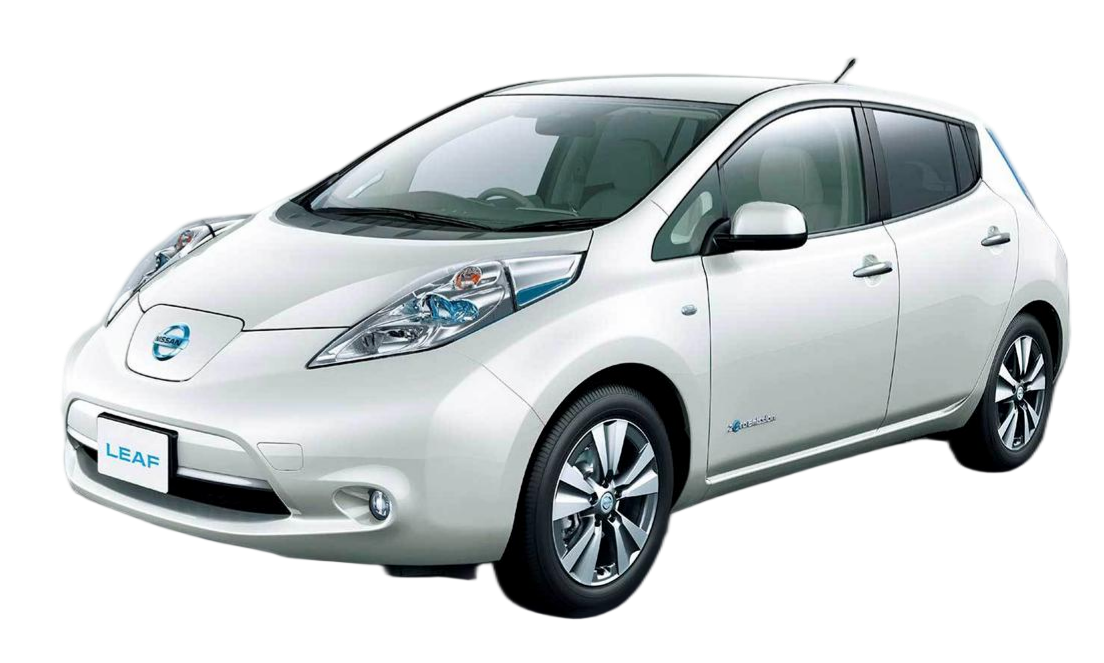
The Nissan Leaf Plus (specifically the Leaf SV Plus and SL Plus trims) has been a game-changer in the electric vehicle market, offering a massive 62 kWh battery pack compared to the standard 40 kWh model. However, as these vehicles age, battery degradation is inevitable. If you’re staring at a dashboard showing significantly reduced range or facing a quote from a dealership, you’re likely wondering: How much does it cost to replace a Nissan Leaf Plus battery in 2026, and are there better alternatives?
As battery technology evolves and the aftermarket matures, the landscape for replacement costs is shifting dramatically. This guide breaks down the 2026 cost trends, explores your options, and helps you make the most cost-effective decision for your Leaf Plus.
💰 The 2026 Price Landscape: OEM vs. Aftermarket
In 2026, the cost of replacing a high-capacity battery like the one in the Leaf Plus remains a significant investment. However, the gap between “original” pricing and “high-quality aftermarket” solutions is clearer than ever.
1. The Sticker Shock: Original Equipment Manufacturer (OEM)
Dealerships typically price battery replacements based on the original MSRP of the vehicle component, plus labor.
- Estimated Cost: Expect quotes ranging from $12,000 to $18,000+.
- The Reality: This price often includes the hefty brand premium and dealership markup. While it might come with the original manufacturer’s warranty structure, the value proposition for many owners is simply unsustainable.
2. The Smart Alternative: Premium Aftermarket (2026 Trend)
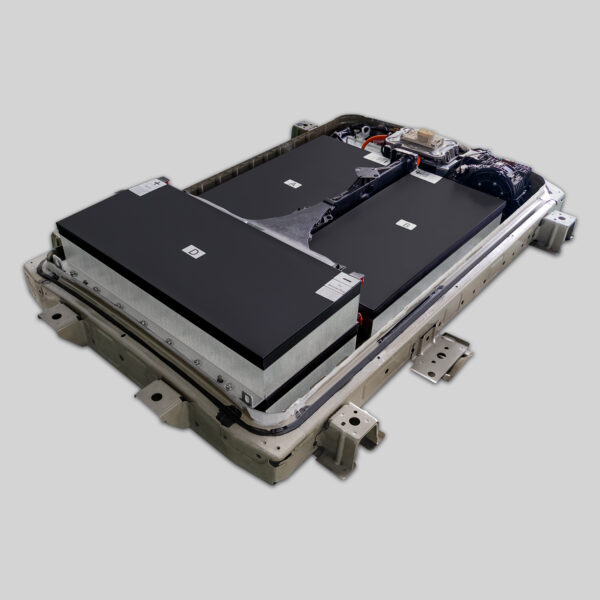
The trend in 2026 is a massive shift towards OEM-compatible aftermarket solutions. These aren’t “used” or “refurbished” batteries, but brand-new packs built to match factory specifications using new cells from top-tier suppliers like CATL.
- Estimated Cost: $6,000 to $9,000.
- The Value: This represents a saving of 50% or more compared to the dealership, without sacrificing the quality of the core components.
Expert Insight: For many Leaf Plus owners, spending $15,000 on a 5-year-old car doesn’t make financial sense. Spending $7,500 to restore it to “like-new” range is a rational investment.
📉 Why Are Costs Dropping? (The 2026 Analysis)
You might wonder why battery prices are becoming more accessible in 2026. It’s not just about inflation; it’s about supply chain maturity and technological diffusion.
- Cell Manufacturing Maturity: The lithium-ion technology used in the Leaf Plus (NMC chemistry) is now in its third decade of mass production. Manufacturing processes are highly optimized, reducing the raw material and assembly costs.
- Aftermarket Standardization: In 2026, companies specializing in EV powertrains have perfected the art of reverse-engineering and remanufacturing. They can source new prismatic cells and build complete Battery Management Systems (BMS) that communicate flawlessly with the Leaf’s dashboard.
- Competition: The market is no longer a monopoly. As specialized battery manufacturers enter the space, competition drives prices down while quality standards rise.
🆚 The “Refurbished” Trap vs. The “New” Standard
A critical trend in 2026 is the move away from low-cost, high-risk refurbished batteries toward new, purpose-built replacements.
The Refurbished Market (High Risk)
Many online vendors still offer “cheap” replacements (around $3,000-$5,000). These are usually salvaged packs from crashed cars.
- The Problem: You’re buying someone else’s used wear. The cells are already degraded, and there is often no structural integrity left in the casing. Swelling, sudden death, and fire hazards are risks associated with these subpar solutions.
The New Standard (High Reliability)
Premium aftermarket suppliers in 2026 are focusing on New Cell Technology.
- The Solution: Using brand-new, A-grade cells ensures you get the full cycle life back. This aligns with the trend of “sustainable ownership”—keeping your car on the road longer with reliable parts.
🛠️ What to Look for in a 2026 Battery Replacement
When shopping for your Leaf Plus battery this year, don’t just look at the price tag. Look for these 2026-specific quality markers:
- Cell Quality: Ensure the supplier uses cells from reputable manufacturers (e.g., CATL, LG, or Panasonic). Avoid suppliers who cannot specify the cell brand.
- Warranty Coverage: The standard in 2026 is moving towards longer warranties. Look for a minimum of 2 years / 80,000 km. This demonstrates the manufacturer’s confidence in their product’s durability.
- BMS Compatibility: The Leaf Plus has specific communication protocols. The replacement battery must have a BMS that can handshake with the car’s computer to avoid error codes.
- Thermal Management: The Leaf Plus relies on an active air-cooling system. Ensure the replacement pack has the correct ducting and thermal pads to prevent overheating.
📝 The Installation Factor
Replacing a Leaf Plus battery is a significant job. It requires specialized tools and knowledge of high-voltage systems.
- Labor Costs: Expect to pay a mechanic $800 to $1,500 for the swap.
- DIY Feasibility: While some experienced owners tackle this themselves (it is essentially a “drop-in” replacement), the 2026 safety standard recommends professional installation to maintain warranty validity and ensure safety.
💡 Final Thoughts: Making the Decision in 2026
The Nissan Leaf Plus is a robust vehicle. If the rest of the car is in good condition, replacing the battery is often the most eco-friendly and economical choice.
In 2026, you no longer have to choose between bankruptcy (OEM prices) and gambling (refurbished packs). The rise of high-quality, OEM-compatible manufacturers offers a third path: restoring your car’s 226-mile range for half the price of new.
Before you proceed, get a personalized quote. Ensure the supplier offers robust technical support, as the installation and BMS programming can sometimes require expert guidance.
❓ Frequently Asked Questions (FAQ)
Q1: Can I install a 62 kWh battery on a standard Nissan Leaf (40 kWh)?
Yes, technically it is possible, but it is a complex modification. It requires replacing not just the battery, but also the motor and the entire powertrain control software. It is generally not recommended unless done by a professional conversion specialist, as mismatched components can cause safety issues.
Q2: How long does a new aftermarket battery last?
If built with new, A-grade cells and maintained properly, a new aftermarket battery should last just as long as the original—typically 8 to 10 years or 1,000+ charge cycles before dropping below 70% capacity.
Q3: Will a new battery restore my car’s original range?
Absolutely. A brand-new 62 kWh pack will restore your Leaf Plus to its original EPA rating of approximately 226 miles (depending on driving conditions and tire pressure).
Q4: Is it cheaper to buy a new EV or replace the battery?
In 2026, replacing the battery is almost always cheaper than buying a new EV. Even with the $7,000-$9,000 battery cost plus labor, you are still looking at a total cost significantly lower than the payment for a new car loan.
Q5: How do I know if my Leaf Plus battery is degraded or if it’s a BMS fault?
This requires a professional scan tool (like a Leaf Spy or Consult-III). If the battery bars are dropping rapidly or the car shows “Reduced Power,” it is likely cell degradation. If the car shows “Battery Overheating” or “Charging Disabled” with no apparent heat, it could be a BMS or temperature sensor fault, which is cheaper to repair than a full pack replacement.
Ready to restore your Nissan Leaf Plus to its full potential? Don’t let outdated pricing guides hold you back. Get a free, no-obligation quote today and see how much you can save in 2026.