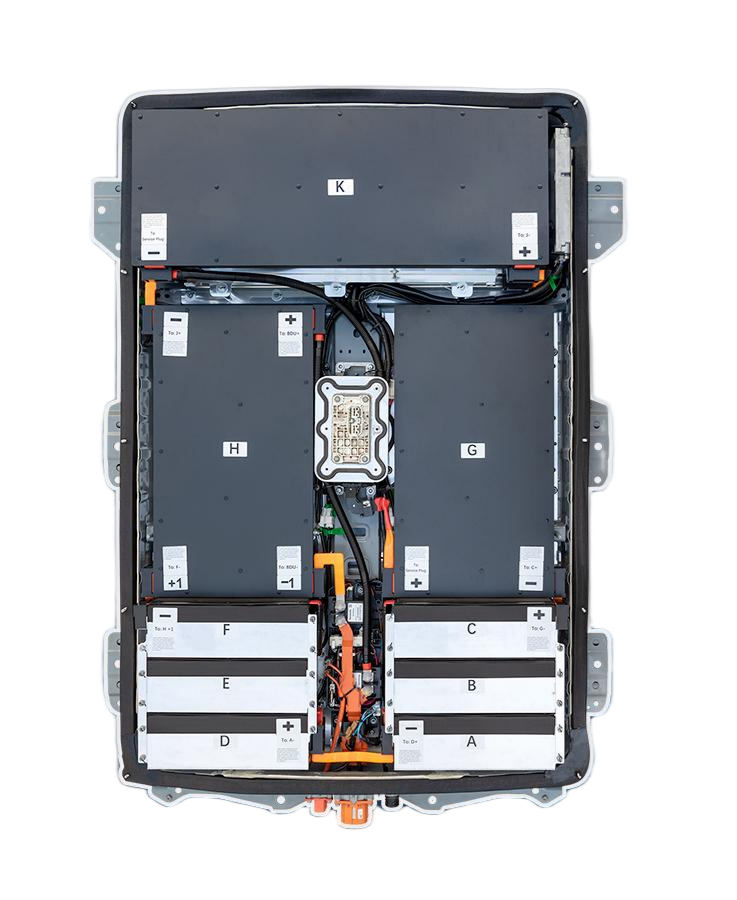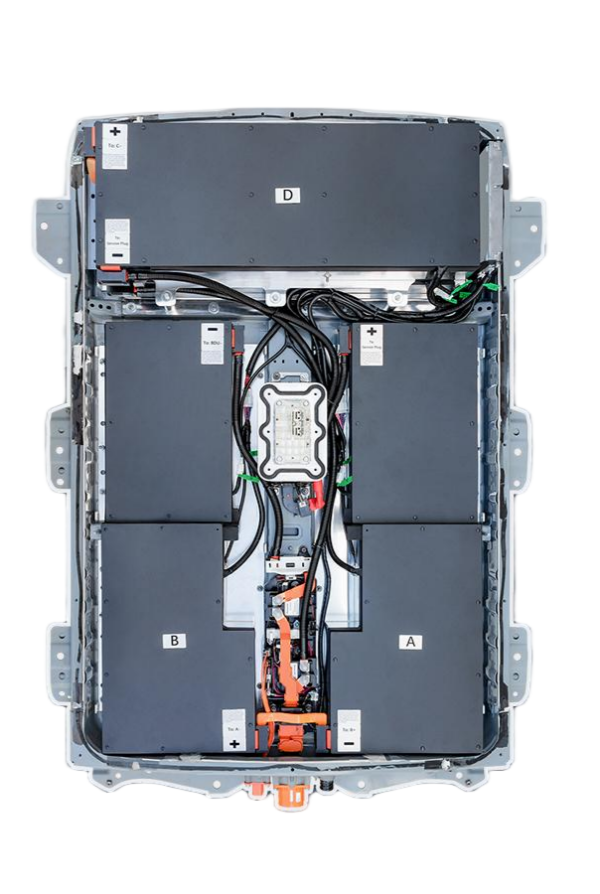
Nissan Leaf e+ New Battery Options for Long Trips
Are you a Nissan Leaf e+ owner struggling with range anxiety on long journeys? You’re not alone. As the battery in your electric vehicle ages, its capacity diminishes, turning what used to be a comfortable road trip into a logistical nightmare of finding charging stations. If you’re looking for a way to reclaim the freedom of the open road, upgrading to a new, high-capacity battery is the most effective solution.
As an EV battery expert, I understand that long trips demand reliability, safety, and maximum range. The Nissan Leaf e+ originally came equipped with a 62 kWh battery, but for those seeking even more adventure, exploring aftermarket options or replacing a degraded pack with a brand-new solution is the key. In this guide, we will explore your best options for new batteries specifically tailored for long-distance travel.
Why Range Anxiety is the Enemy of Road Trips
Before diving into the solutions, let’s address the core problem: Lithium-ion batteries degrade over time. If your Leaf e+ is a few years old, your 62 kWh battery might now perform more like a 40 kWh unit. This degradation means:
- Frequent Charging Stops: Instead of driving 200+ miles, you might need to stop every 70-80 miles.
- Charger Availability Stress: Relying on public DC fast chargers, which can sometimes be occupied or out of service.
- Speed Limitations: To conserve power, you might feel pressured to drive below highway speeds.
To truly enjoy long trips, you need a battery that offers “Double Range” capability. This is where upgrading or replacing your pack with a premium aftermarket solution comes into play.
The Solution: Upgrading to a High-Capacity 62 kWh or 68 kWh Pack
While the standard replacement for a Leaf e+ is a refurbished 62 kWh unit, the smart choice for long-distance drivers is to invest in a brand-new 62 kWh or even a 68 kWh lithium battery pack.
Why choose a brand-new pack over a refurbished one?
Many refurbishers use recycled cells that are already aged. In contrast, a new pack, like those offered by specialized manufacturers, utilizes brand-new, first-life cells from top-tier suppliers like CATL. These cells offer superior energy density and thermal management, which is critical when pushing your car to its limits on the highway.
| Feature | Refurbished Battery | New Premium Battery (e.g., 62kWh/68kWh) |
|---|---|---|
| Cell Quality | Recycled, aged cells | Brand-new CATL/LG cells |
| Long Trip Viability | Limited (risk of swelling/failure) | Excellent (Stable discharge) |
| Warranty | Often short or non-existent | Up to 2 Years / 80,000 km |
| Cost Efficiency | High failure rate | 50%+ savings vs. OEM |
Key Features to Look for in a Long-Distance Battery
When searching for a “Nissan Leaf battery upgrade” or “Leaf e+ new battery,” don’t just look at the price. For long trips, these technical specifications are non-negotiable:
1. Premium Cell Chemistry (NMC)
Ensure the battery uses NMC (Nickel Manganese Cobalt) chemistry. This is the same chemistry used in the original Leaf e+ packs. NMC offers a perfect balance of energy density (for range) and power output (for highway driving), unlike older LFP (Lithium Iron Phosphate) cells which are heavier and less efficient in cold weather.
2. Robust Thermal Management
Highway driving generates heat. A battery designed for long trips must have an efficient Battery Management System (BMS) that monitors temperature and voltage. This prevents overheating during sustained high-speed cruising, which is a common cause of failure in low-quality packs.
3. OEM-Level Fitment
You don’t want to modify your car’s chassis or wiring harness for a road trip. Look for packs that offer plug-and-play compatibility. The connectors should match the original factory design perfectly, ensuring that your car’s dashboard displays accurate range estimates and health status without the need for complex reprogramming.
Real-World Performance: What to Expect on the Road
Let’s talk about the actual driving experience. A brand-new 62 kWh or 68 kWh pack can transform your Leaf e+ from a city commuter to a capable touring car.
- Realistic Range: While the official rating might be 220+ miles, in real-world highway conditions (driving at 70 mph), you can expect a reliable 180-200 miles of range on a full charge with a new pack. This means fewer stops and less stress.
- Charging Speed: Newer packs maintain their ability to accept fast charging. You won’t experience the “charging taper” (where charging speed slows down drastically after 50%) as aggressively as you would with an old, degraded battery.
- Winter Performance: Thanks to the use of new cells, cold-weather range loss is minimized compared to older packs.
Why Consider an Aftermarket Solution?
You might be wondering, “Why not just go to the Nissan dealership?” The answer is simple: Cost.
Replacing the battery at a Nissan dealership can cost upwards of $16,000. For long trips, this kind of investment might not make financial sense unless you plan to keep the car for a decade. Aftermarket specialists offer the same OEM-compatible performance using new cells for roughly 50% less than the original manufacturer.
This significant saving allows you to not only upgrade your battery but also budget for other road trip essentials. Furthermore, these manufacturers often provide lifetime technical support and detailed installation guides, ensuring you have the backup you need if you decide to install it yourself.
Your Next Step: Get a Free Custom Quote
If you’re ready to eliminate range anxiety and hit the road without fear, the next step is simple. You don’t need to settle for a battery that barely gets you through the week.
At CNS BATTERY, we specialize in providing Original EV Powertrain Customized for Nissan models, including the Leaf e+. Our packs are engineered to original factory standards, utilizing the latest research and development to ensure ultimate safety and long battery life.
Don’t let a weak battery ruin your travel plans. Reclaim your range today.
Frequently Asked Questions (FAQ)
Q1: How much range will I actually get on a long highway trip with a new 62 kWh pack?
A: While official ratings are higher, on a highway driving at 70 mph, you should realistically expect 180-200 miles of range with a brand-new, high-quality 62 kWh pack. This is significantly better than a degraded original pack, which might struggle to reach 100 miles under the same conditions.
Q2: Is it safe to install an aftermarket battery for long-distance driving?
A: Yes, but only if you choose a reputable manufacturer. Look for companies that use brand-new CATL cells and offer a comprehensive warranty (such as 2 years / 80,000 km). Avoid cheap refurbished packs as they are prone to swelling and failure under the stress of long trips.
Q3: Will a new battery fit my Nissan Leaf e+ without modifications?
A: A premium aftermarket battery designed for the Nissan Leaf (specifically the ZE1 platform for the e+) is built to OEM specifications. This means it is a plug-and-play solution. The dimensions, weight, and connector types match the original factory battery, requiring no modifications to your vehicle.
Q4: How long does the installation take?
A: For a professional technician, installing a new Nissan Leaf battery typically takes 1-2 hours. The process is straightforward: disconnect the old battery, remove the mounting brackets, install the new pack, and reconnect the cables. Most suppliers provide detailed video tutorials and remote support to guide you through the process.