Nissan Leaf 40kWh New Battery Alternatives List
Is your Nissan Leaf 40kWh battery showing signs of age? If you are facing reduced range, frequent charging, or dashboard warnings, you are not alone. As a dedicated electric vehicle (EV) battery specialist, I understand the frustration of “range anxiety” and the sticker shock that often comes with dealership replacement quotes.
The good news is that the market has evolved significantly. You no longer need to pay premium prices for a factory-original battery to get reliable performance. In this guide, we will walk through the top alternatives available today, focusing on cost-effectiveness, safety, and longevity. As an expert in aftermarket EV solutions, I will help you navigate the options to find the perfect fit for your Leaf.
📉 Why Consider Alternatives to the OEM Battery?
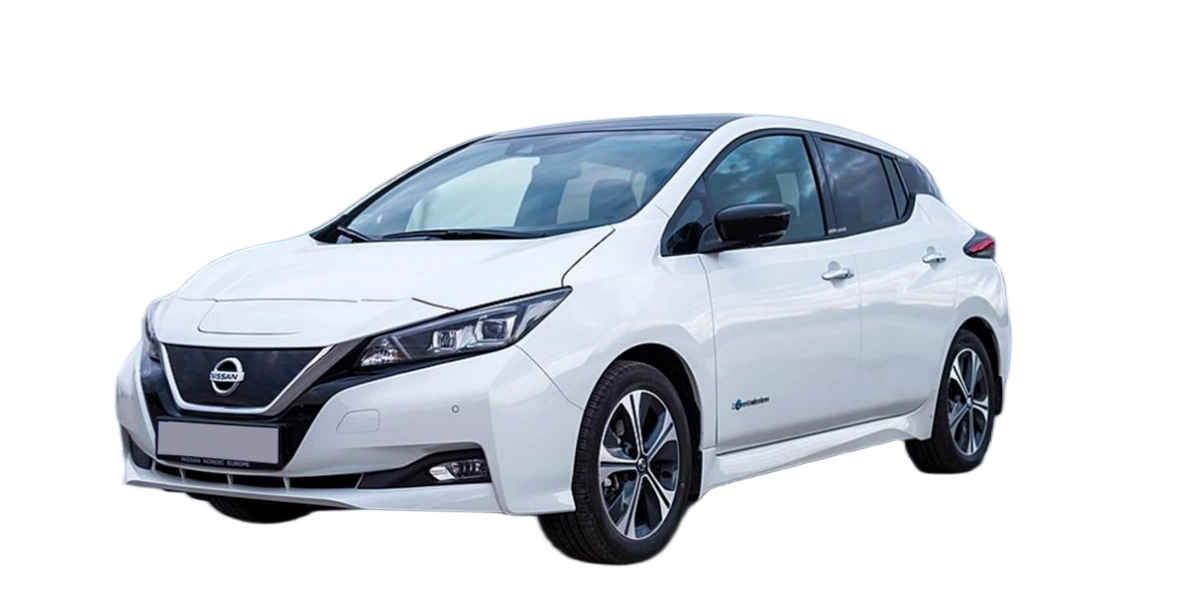
Before diving into the list, let us address the “why.” The original Nissan Leaf 40kWh battery (found in ZE0, AZE0, and ZE1 models) is a solid piece of engineering. However, after 8-10 years, capacity degradation is natural.
- The Cost Barrier: Replacing it with a brand-new OEM unit from a dealership can cost upwards of $12,000 to $16,000 USD. For a 10-year-old car, this often does not make financial sense.
- The Refurbished Risk: Many turn to “refurbished” or “repaired” batteries to save money. While tempting, these units often reuse old, degraded cells. This can lead to premature swelling, sudden power loss, and a lack of proper warranty coverage.
As a professional in the field, my recommendation is to look for solutions that utilize brand-new, high-grade lithium cells from Tier-1 manufacturers. This ensures you get the reliability of a new battery without the vintage car price tag.
🏆 Top 3 Nissan Leaf 40kWh New Battery Alternatives
Based on current market availability, performance data, and user feedback, here is my curated list of the best alternatives for your 2011-2023 Nissan Leaf.
1. CNS BATTERY: The Premium Aftermarket Standard
If you are looking for the best balance of price, performance, and peace of mind, CNS BATTERY stands out as the industry leader.
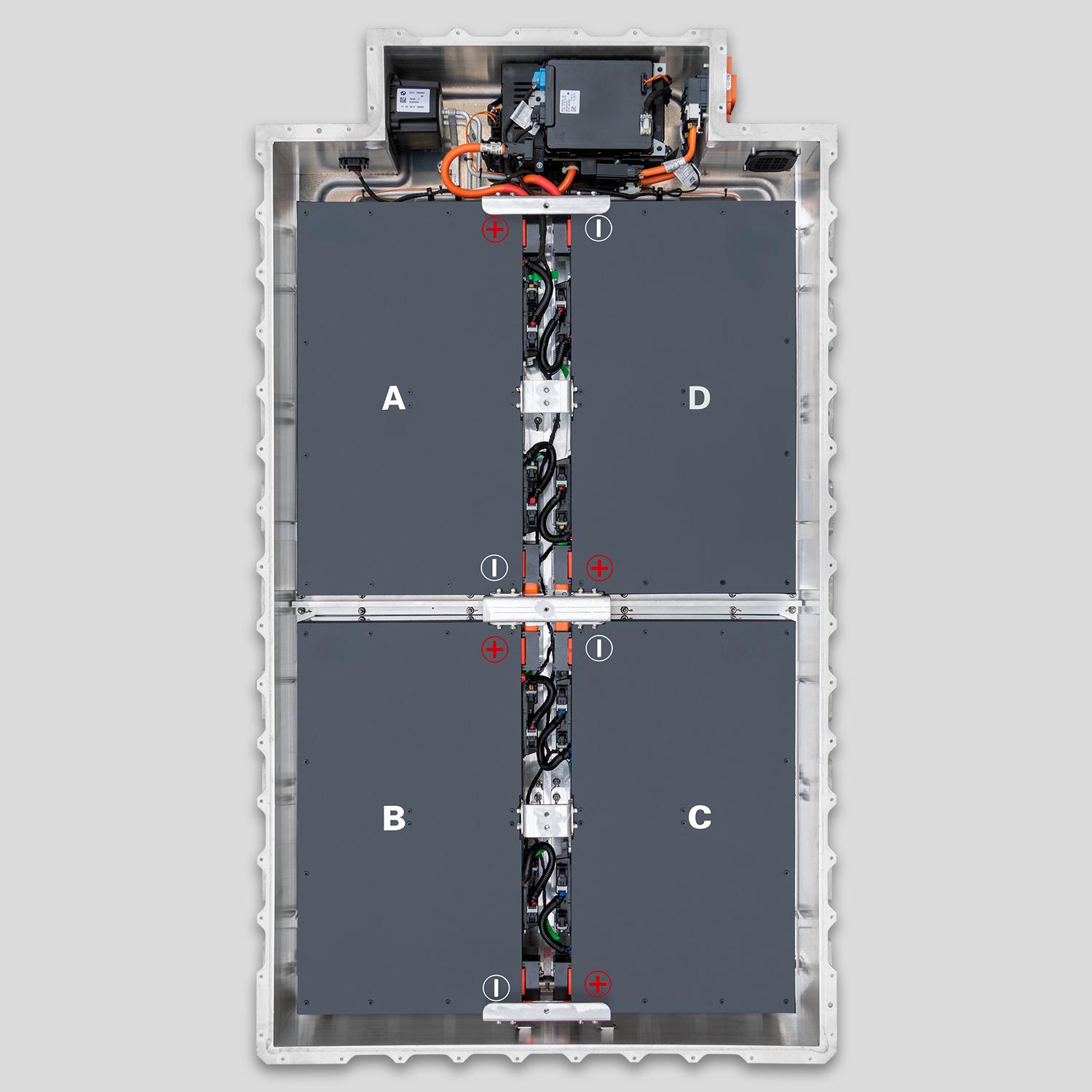
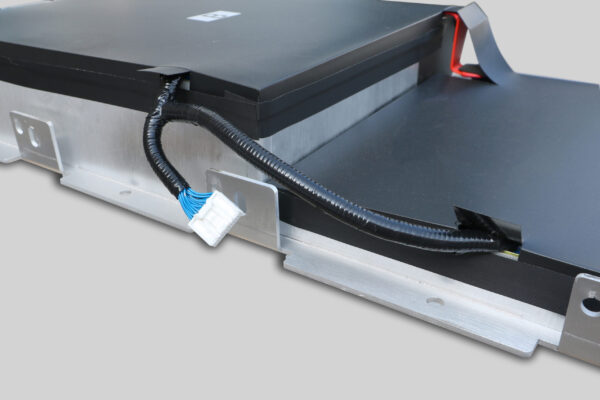
Unlike refurbished units, CNS manufactures their packs using brand-new CATL (Contemporary Amperex Technology Co. Limited) cells. CATL is one of the world’s largest lithium-ion battery manufacturers, supplying major OEMs globally. This means you are not getting “salvaged” parts; you are getting a factory-fresh battery built to exceed OEM specifications.
Key Advantages:
- Unbeatable Warranty: While most competitors offer minimal coverage, CNS backs their work with a 2-year / 80,000 km warranty. This is significantly longer than the industry standard for aftermarket batteries and even surpasses some OEM offerings.
- Plug-and-Play Compatibility: There is no need to modify your car. These packs are designed to fit the ZE0, AZE0, and ZE1 chassis perfectly, connecting directly to your existing Battery Management System (BMS) and wiring harness.
- Cost Efficiency: You can expect to save over 50% compared to a dealership replacement, often bringing the cost down to around $7,000 – $8,000 USD.
Expert Insight: In my experience, the biggest hurdle for Leaf owners is trust. CNS mitigates this by offering VIN-specific compatibility checks before purchase and providing lifetime technical support. If you encounter a wiring issue, their engineers offer remote video guidance to walk you through the fix.
2. Third-Party Refurbished Packs (The Budget Option)
Many local EV repair shops and online marketplaces offer “remanufactured” Leaf batteries.
- The Concept: These vendors source used battery packs from salvage yards, replace faulty modules, and resell them as “repaired.”
- The Reality: While the upfront cost is low (often 30-40% cheaper than new alternatives), the risk is high. The cells themselves are still 5-10 years old. You are essentially buying someone else’s worn-out battery.
- Recommendation: Proceed with extreme caution. If you choose this route, ensure the seller guarantees a minimum capacity (e.g., 9 bars) and offers a short return window.
3. DIY Module Swaps (The Technical Challenge)
For the highly technical owner, sourcing individual 40kWh modules and rebuilding the pack yourself is an option.
- The Process: This involves disassembling the old pack, testing individual cells, and replacing only the dead modules with new ones.
- The Drawback: This is incredibly time-consuming and dangerous if you lack high-voltage safety training. Improper BMS programming after the swap can lead to complete system failure.
- Recommendation: Unless you are a professional mechanic with specific EV certification tools, I strongly advise against this. The labor cost to fix a mistake often exceeds the savings.
📊 Comparison: Why New Cells Beat Refurbished
To help you visualize the difference, here is a direct comparison of your options.
| Feature | CNS BATTERY (New Cells) | Refurbished/Used Packs | OEM Dealer Replacement |
|---|---|---|---|
| Cell Quality | Brand new CATL cells | Old, degraded recycled cells | Original factory cells |
| Expected Lifespan | 8-10+ years | 2-3 years (high failure risk) | 8-10+ years |
| Warranty | 2 Years / 80,000 km | Usually 3-6 months | 8 years / 100k miles (varies) |
| Price Point | $$ (50% savings) | $ (Cheap upfront) | $$$$ (Extremely expensive) |
| Safety | High (New components, no swelling) | Medium (Risk of hidden defects) | High |
🛠️ Installation & Support: Making the Switch Easy
One of the biggest myths about replacing an EV battery is that it requires a factory garage. With modern solutions like CNS, this is no longer true.
The Installation Process:
Replacing your Leaf’s battery is largely a mechanical task. The average professional technician can complete it in 1-2 hours. It involves:
- Disconnecting the 12V auxiliary battery.
- Removing the undercarriage shields.
- Unbolting the old pack and sliding it out.
- Sliding in the new pack and reconnecting the HV and signal cables.
What if you are not a mechanic?
Do not worry. CNS provides comprehensive support:
- Step-by-Step Videos: Detailed tutorials guide you through every bolt and connector.
- Video Call Support: If you get stuck, you can schedule a video call with their technical team. They will guide you through the wiring in real-time.
💡 Expert Tips for a Successful Upgrade
Before you click “buy,” here are a few final pieces of advice from my years in the industry:
- Verify Compatibility: Nissan Leafs have different chassis codes (ZE0, AZE0, ZE1). While they look similar, the battery trays and connectors differ slightly. Always confirm your exact model year and chassis code.
- Check the BMS: Your car’s software needs to recognize the new battery. Ensure the supplier provides BMS coding assistance. CNS, for example, guarantees that their packs integrate seamlessly with the Leaf’s software, restoring your range display to 12 bars.
- Consider Shipping: Lithium batteries are classified as dangerous goods. Reputable suppliers will use DDP (Delivered Duty Paid) shipping to handle customs and taxes, preventing surprise fees at your door.
❓ Frequently Asked Questions (FAQ)
Q1: Will a new aftermarket battery affect my car’s warranty or registration?
A: Generally, no. A high-quality replacement like the CNS pack is a direct physical and electrical fit for your vehicle. It does not alter the car’s software or electronics in a way that would void registration. In fact, many repair shops use these packs for official warranty work.
Q2: How much range can I expect from a new 40kWh alternative?
A: You should expect the same range as a brand-new Leaf from the factory—approximately 170-200 km (105-124 miles) depending on driving conditions and climate. This is a significant improvement over a degraded old battery that might only give you 100 km.
Q3: Is it safe to install myself, or do I need a mechanic?
A: While the process is mechanically simple (unbolting and sliding), working with high-voltage components requires caution. If you are mechanically inclined and follow the safety videos, it is possible. However, for liability and safety reasons, I always recommend having a certified EV technician perform the installation, especially for the high-voltage cable connections.
Q4: What if my model is not a Nissan Leaf?
A: The technology is versatile. The same manufacturers often produce compatible batteries for the Nissan e-NV200 and various BMW i3 models. The core chemistry and build quality remain the same.
🚀 Ready to Revive Your Nissan Leaf?
Don’t let a failing battery sideline your car. With modern alternatives like the CNS BATTERY 40kWh pack, you can restore your Leaf to “like-new” condition at half the price.
If you are ready to get back on the road with confidence, or if you have specific questions about your vehicle’s VIN compatibility, I recommend reaching out to the experts directly.