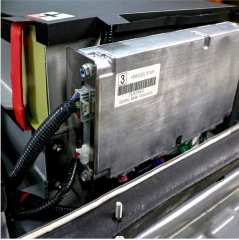
Nissan Leaf e+ 62kWh New Battery Cost Factors
The Nissan Leaf is a pioneer in the electric vehicle (EV) market, and the Leaf e+ 62kWh model is particularly popular for its balance of range and performance. However, as these vehicles age, battery degradation becomes a reality for many owners. Replacing an electric car battery is a significant investment, and the costs can vary wildly.
As a Nissan EV battery specialist, we often get asked: “Why does the price fluctuate, and what am I actually paying for?” This guide breaks down the specific cost factors for a new 62kWh Nissan Leaf battery, helping you understand the value behind the price tag.
Understanding the 62kWh Battery Upgrade
Before diving into the numbers, it’s crucial to understand what a 62kWh battery means for your Leaf. This specific capacity is typically found in the later models (specifically the Leaf e+ or ZE1 generation). Upgrading to or replacing this pack is not just about capacity; it’s about compatibility with your vehicle’s Battery Management System (BMS) and thermal management.
Unlike the older 24kWh or 30kWh packs, the 62kWh unit utilizes advanced lithium-ion chemistry (usually NMC) and requires precise engineering to ensure the safety and longevity of your vehicle.
Key Factors Influencing the Cost
The price of a new Leaf e+ 62kWh battery isn’t arbitrary. It is determined by a combination of raw material costs, manufacturing standards, and the level of support provided by the manufacturer.
1. The Quality of Battery Cells
The single most significant cost driver is the quality of the lithium-ion cells inside the pack.
- Brand New vs. Recycled: The cheapest batteries on the market often use recycled or repurposed cells. While this might save you money upfront, these cells have already undergone charge cycles and have a significantly shorter lifespan.
- Cell Manufacturer: Premium replacements, like those we offer at CNS, utilize brand-new cells from Tier-1 suppliers such as CATL. These cells guarantee top-tier performance, safety, and a longer cycle life, which justifies a higher price point compared to generic brands.
2. Engineering and OEM Compatibility
A battery isn’t just a box of cells; it’s a complex system.
- Precision Fit: The cost covers the engineering required to ensure the battery fits the Leaf chassis perfectly without modifications.
- BMS Integration: A high-quality Battery Management System (BMS) is expensive to develop but essential for communicating with your Nissan Leaf’s onboard computer. A poorly integrated BMS can lead to error codes or even safety hazards, whereas a professional-grade BMS ensures a plug-and-play experience.
3. Warranty and After-Sales Support
You aren’t just buying hardware; you are buying peace of mind.
- Longevity Assurance: A comprehensive warranty (such as a 2-year or 80,000km warranty) is a major cost factor. Manufacturers who stand behind their product with long warranties have higher overheads, but they protect you from future repair costs.
- Technical Support: Access to expert technical support for installation and programming adds value to the product. This support network is factored into the overall cost structure.
Cost Comparison: What’s the Real Value?
To help you visualize the investment, here is a comparison of what different price points generally represent in the aftermarket battery market.
| Cost Factor | Low-Cost Batteries | Premium Replacement (e.g., CNS BATTERY) |
|---|---|---|
| Cell Quality | Recycled, degraded, or unknown origin cells. | Brand new, Tier-1 cells (e.g., CATL). |
| Lifespan | Short (High risk of swelling or failure within months). | Long (Stable performance, zero failure rate). |
| Warranty | Limited or non-existent. | 2 Years / 80,000km official warranty. |
| Performance | Range anxiety; inconsistent power output. | Guaranteed capacity; full range restoration. |
| Support | DIY only; no technical assistance. | Full technical support and installation guides. |
Insight: While a low-cost battery might seem like a bargain at first glance, the risk of premature failure and the lack of support often leads to higher costs in the long run.
Why Choose a Professional Replacement?
Choosing the right replacement partner is as important as the battery itself. At CNS, we specialize in Nissan Leaf EV batteries, ensuring that every 62kWh pack we produce meets the rigorous demands of the Leaf e+ model.
We understand that the primary concern for Leaf owners is often “range anxiety.” By utilizing high-density, brand-new cells, we ensure that your vehicle regains its original vigor. Furthermore, our commitment to safety means every pack undergoes strict quality control to prevent thermal runaway or short circuits.
Frequently Asked Questions (FAQ)
Q1: How much does a 62kWh Nissan Leaf battery cost compared to the original manufacturer price?
Generally, a premium aftermarket replacement costs approximately 50% less than purchasing a new battery directly from a Nissan dealership. This allows you to save thousands of dollars while still receiving a high-quality, brand-new cell pack with robust technical support.
Q2: Is it worth replacing the battery, or should I buy a new car?
For most Leaf e+ owners, replacing the battery is the most economical choice. The Leaf chassis and motor are extremely durable. A new 62kWh battery essentially turns your car into a “new” EV with zero depreciation hit, costing far less than a new vehicle purchase.
Q3: How long does the installation take?
Professional installation typically takes between 1 to 2 hours. The process is designed to be a straightforward drop-in replacement. We provide detailed installation manuals and video tutorials to assist both professional mechanics and experienced DIYers.
Q4: Do I need to reprogram the car after installation?
Yes, the Vehicle Control Unit (VCU) usually needs to be reset or reprogrammed to recognize the new battery’s State of Health (SOH). Our technical support team provides specific guidance for this process to ensure a seamless integration with your Nissan Leaf’s systems.
Get Your Custom Quote Today
If you are ready to revive your Nissan Leaf e+ and eliminate range anxiety, we are here to help. Don’t let the complexity of battery replacement deter you.
Our team of technical experts will assess your specific vehicle model and provide a personalized recommendation to ensure you get the best solution for your needs.