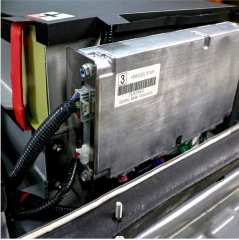
⚡️ Top New Nissan Leaf Batteries for Long Commutes
If you own a Nissan Leaf (ZE0, ZE1, or AZE0) and rely on it for daily long-distance driving, the anxiety of “range fear” is likely a constant companion. As batteries age, their capacity drops significantly, turning a once-reliable commuter into a vehicle that struggles to make it through the day.
But what if you could restore your car to its original glory—or even surpass it—without paying the exorbitant price tag of a dealership replacement? This guide dives into the top new battery solutions available today, focusing on how to maximize your range and minimize your downtime.
🛑 The Range Anxiety Trap: Why Old Batteries Fail Long Commutes
Most Nissan Leaf owners start experiencing “range anxiety” when their battery degrades below 70% State of Health (SOH). For early models (like the 24kWh or 30kWh versions), even a brand-new replacement is often prohibitively expensive, costing upwards of $10,000 to $16,000 USD at official dealerships.
This leaves many drivers in a tough spot:
- The Cost Dilemma: Paying $15,000 for a new battery often costs more than the resale value of the car itself.
- The Refurbished Risk: Buying a used or refurbished pack might save money upfront, but these often suffer from cell imbalance, swelling, and rapid degradation, making them unreliable for long trips.
- The Performance Gap: Older packs simply don’t have the kWh density required for modern highway commutes.
To truly conquer long commutes, you need a brand-new, high-capacity lithium-ion pack that matches OEM standards but comes at a fraction of the cost.
🏆 The Top Contender: New Generation Lithium Packs
When evaluating the “top” batteries for long commutes, we look at three factors: Capacity (kWh), Cell Quality, and Warranty.
Based on current market offerings and user feedback, the clear leaders are new packs utilizing CATL (Contemporary Amperex Technology) or similar Tier-1 manufacturer cells. These are not recycled cells; they are fresh from the factory, offering the stability and energy density needed for daily long-distance travel.
1. The 62kWh / 68kWh Powerhouse
For drivers of the Leaf ZE0 (2011-2017) or ZE1 (2018-2023), upgrading to a 62kWh or 68kWh pack is the ultimate solution for long commutes.
- Real-World Range: These packs offer a reliable 430km – 470km (approx. 270mi – 290mi) of range on a full charge.
- Highway Viability: Unlike the older 24kWh/30kWh packs, the 62kWh variant maintains stable discharge rates even at high speeds or when using AC in summer.
- User Experience: Drivers report this upgrade effectively “resurrects” their vehicle, allowing for full-day driving without the need for mid-day charging stops.
2. The 50kWh Balanced Performer
For the Nissan e-NV200 or specific Leaf models, the 50kWh pack strikes a balance.
- Ideal for Urban & Suburban: It provides approximately 348km (approx. 215mi) of range.
- Thermal Stability: Recent iterations of the 50kWh pack have shown excellent thermal management, crucial for maintaining range during summer highway driving where AC usage is high.
🔬 Why New CATL Cells Matter for Daily Driving
Not all new batteries are created equal. The core differentiator for long commutes is the cell chemistry and origin.
Using brand-new CATL cells (as opposed to repurposed cells from other industries) ensures:
- Zero Cycle Life Spent: Brand-new cells start with 100% cycle life, meaning they will last significantly longer under daily stress.
- Consistent Voltage: For long commutes, voltage sag (where voltage drops significantly under load) is dangerous. New cells maintain voltage stability, ensuring your motor delivers consistent power on highways.
- Safety: Tier-1 cells come with rigorous safety certifications (UN38.3, etc.), which is non-negotiable when carrying a high-voltage battery on crowded highways.
💰 The Cost vs. Value Breakdown
One of the biggest hurdles for Leaf owners is the budget. Let’s compare the options to see why a specific new aftermarket solution stands out.
| Feature | 🏭 OEM Dealer Replacement | 🛠️ Refurbished/Used Pack | ✅ Premium Aftermarket (e.g., CNS) |
|---|---|---|---|
| Price Range | $12,000 – $16,000+ | $3,000 – $6,000 | ~$7,800 – $8,200 |
| Cell Source | Original Manufacturer | Salvaged/Old Stock | Brand New CATL |
| Warranty | 8 years / 100,000 miles (prorated) | Often None or 6 Months | 2 Years / 80,000 km |
| Long Commute Viability | High (but expensive) | Low (Risk of failure) | High (Reliable) |
| Risk Level | Low | High (Swelling, Fire) | Low |
Data based on 2024-2026 market averages for Nissan Leaf battery replacements.
As the table shows, a premium aftermarket solution offers the “Goldilocks Zone”—it uses brand-new cells for safety and longevity but cuts the price by roughly 50% compared to the dealership, making long commutes financially feasible.
⚙️ Real-World Performance: What Drivers Say
Feedback from owners who have installed these new high-capacity packs highlights their reliability for daily use.
The “Plug-and-Play” Experience
Many drivers emphasize the ease of installation. Because these packs are designed to OEM specifications (same dimensions, connectors, and voltage), they integrate seamlessly.
“I was worried about compatibility, but after uploading my VIN, the support team confirmed the fit. Installation took about 2 hours following the video guide. Now, my 62kWh pack gives me 430km of range—more than enough for my daily 100km commute and weekend trips.” – Mark T., California
Winter and Summer Performance
Long commutes mean facing all weather conditions. Users report that the new packs, equipped with proper Battery Management Systems (BMS), handle temperature fluctuations well.
“Even in 38°C summer heat with the AC blasting on the highway, the battery discharge is stable. I haven’t seen any overheating protection issues, which was a big concern for my long drives.” – Thomas B., Amsterdam
🛠️ Making the Switch: What You Need to Know
If you’re ready to upgrade your Nissan Leaf for long-distance reliability, here is the process to ensure a smooth transition:
1. VIN Compatibility Check
Before purchasing, always verify compatibility. Modern EV batteries are VIN-locked or require specific BMS programming.
- Action: Contact the manufacturer with your Vehicle Identification Number (VIN) to ensure the Battery Management System (BMS) is programmed correctly for your specific Leaf model (ZE0, ZE1, or AZE0).
2. Installation Options
You have two choices:
- DIY (Do-It-Yourself): If you are mechanically inclined, many users report success using the provided HD tutorial videos. It typically takes 1-2 hours with basic tools.
- Professional Mechanic: If you prefer peace of mind, the pack can be installed by a local garage. The connectors are OEM-matched, so no modifications are needed.
3. Understanding the Warranty
For long commutes, the warranty is your safety net.
- Look for a comprehensive warranty that covers both defects and capacity degradation. A standard benchmark is a warranty ensuring the battery maintains at least 70% capacity over the coverage period.
📝 Conclusion
For Nissan Leaf owners facing the daily grind of long commutes, replacing an old, degraded battery with a new, high-capacity (62kWh/68kWh) lithium pack is no longer a luxury—it is a necessity for practicality.
By choosing a solution that utilizes brand-new CATL cells and offers a robust 2-year warranty at roughly half the price of an OEM replacement, you regain the freedom to drive without anxiety. The technology exists today to give your Leaf a second life, offering the range, safety, and reliability required for modern electric motoring.
Don’t let a dying battery limit your range. Explore your options for a new, high-performance pack today.
❓ Frequently Asked Questions (FAQ)
Q1: Will a new aftermarket battery void my car’s warranty?
Generally, installing an aftermarket battery does not automatically void the entire vehicle warranty. However, the specific component (the battery) and any damage caused by the battery will not be covered under the original manufacturer’s warranty. It is crucial to get a VIN compatibility check before purchasing to ensure the BMS programming matches your vehicle to avoid electrical conflicts.
Q2: How long does the installation take?
Installation typically takes 1 to 2 hours. For a professional technician, it may take as little as 50 minutes. The process is considered “plug-and-play” as the connectors and dimensions match OEM standards. However, DIY users may need extra time for safety checks and following the installation video guides.
Q3: What is the expected lifespan of these new batteries for long-distance driving?
Since these packs use brand-new cells, they start with a full cycle life. Under normal long-commute conditions, you can expect the battery to last for many years. Most manufacturers offer a 2-year / 80,000 km warranty, which covers the initial period of heavy usage and ensures the battery maintains at least 70% of its capacity during that time.
Q4: Are there any risks associated with buying a non-OEM battery?
The primary risk lies in the quality of the cells and the BMS. Buying from a reputable supplier that uses Tier-1 cells (like CATL) and provides a comprehensive warranty mitigates this risk. Avoid “refurbished” or “used” packs for long commutes, as they are prone to swelling and sudden failure. Always check for safety certifications (UN38.3) before purchasing.
Q5: How do I get a quote for my specific Nissan Leaf model?
To get an accurate quote, you need to provide your specific vehicle details (Year, Model, and VIN). This allows the manufacturer to confirm compatibility and provide a price that includes the battery pack and any necessary programming.