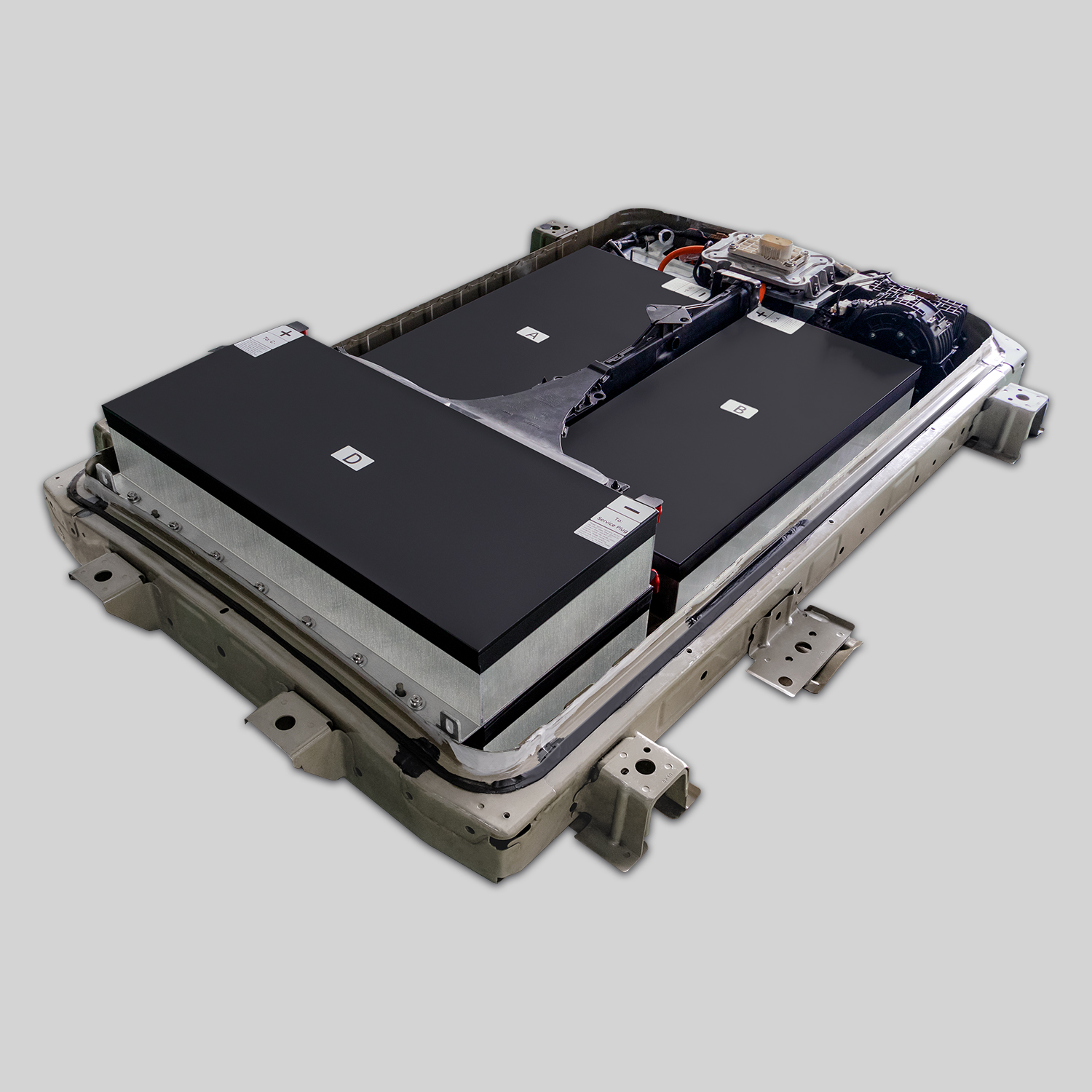
🚀 Top New Battery Alternatives for Nissan Leaf 62kWh
Is your Nissan Leaf struggling to keep up with your daily commute? Are you staring at the daunting $16,000+ price tag for an Original Equipment Manufacturer (OEM) replacement and wondering if there’s a smarter way? You are not alone. Thousands of Leaf owners are discovering that “new” doesn’t have to mean “bankrupting.”
If you are looking for a genuine 62kWh upgrade that restores your car’s range without destroying your budget, you are in the right place. As a specialist in aftermarket EV batteries, I have seen firsthand how the right replacement can breathe new life into a vehicle.
Let’s explore the top alternatives, focusing on the balance of performance, safety, and value.
💰 The Cost Conundrum: Why OEM Isn’t the Only Option
Before we dive into the alternatives, let’s address the elephant in the room: cost.
Replacing a Nissan Leaf 62kWh battery with a brand-new unit from a dealership is often prohibitively expensive. Many owners find that the repair cost approaches or even exceeds the value of the vehicle itself. This leaves drivers with a tough choice: buy a new car or drive a car with a crippled range.
This is where the aftermarket industry steps in. However, not all aftermarket batteries are created equal. There are three distinct tiers in the market today:
- Refurbished/Used Packs: Cheap upfront, but risky. These are often repackaged old cells that can swell or fail within months.
- OEM New: The “gold standard” for safety and fit, but the “platinum price” is a barrier for most.
- High-Quality Aftermarket (Our Focus): Specifically, units utilizing brand-new CATL or equivalent cells built to OEM specifications.
⚡ The Premium Alternative: Brand-New Cells at Half the Price
If you are looking for the absolute best Nissan Leaf 62kWh battery alternative, the solution is a brand-new aftermarket pack utilizing A-grade cells (such as CATL).
This is not a gamble; it is a calculated upgrade. These batteries are engineered to meet or exceed OEM standards but are sold at roughly 50% of the dealership cost.
Key Advantages:
- Zero Cycle Count: Unlike refurbished batteries pulled from salvage yards, these are assembled from scratch with fresh cells.
- OEM Compatibility: They are designed to fit the Leaf chassis (ZE0, AZE0, ZE1) perfectly and communicate seamlessly with the Vehicle Control Unit (VCU).
- Extended Range: A fresh 62kWh pack can restore your range to approximately 430km (267 miles), depending on driving conditions.
⚖️ Comparison: What’s the Real Difference?
To help you visualize the value, here is a breakdown of how these options stack up against the OEM standard.
| Feature | OEM Factory Battery | Refurbished/Used Battery | High-Quality Aftermarket (New Cells) |
|---|---|---|---|
| Cell Quality | Brand New (Original Spec) | Aged, Degraded, High Risk | Brand New (CATL/Equivalent) |
| Price Point | Very High (~$15,000+) | Low (But High Risk) | Moderate (~50% Savings) |
| Warranty | Standard (1-2 Years) | Often None or Very Short | 2 Years / 80,000km |
| Risk Level | Low | Very High (Swelling, Fire) | Low (With Reputable Brand) |
🛠️ Installation & Compatibility: ZE0, AZE0, ZE1
One of the biggest concerns drivers have is fitment. Will it just plug in?
For the Nissan Leaf 62kWh, compatibility is generally excellent across the following generations when sourced from a reputable manufacturer:
- Leaf ZE0 (2011-2017): The most common candidate for this upgrade. Owners often jump from a degraded 24kWh or 30kWh to the 62kWh for maximum range.
- Leaf AZE0 (2018-2020): Direct replacement options are widely available.
- Leaf ZE1 (2021+): While newer, the cost-benefit analysis still favors a high-quality aftermarket pack for many.
Installation Tip: While the physical installation is often a straightforward “plug-and-play” process for a mechanic (taking roughly 1-2 hours), the software programming is the critical step. A top-tier supplier will provide BMS (Battery Management System) programming support to ensure your car recognizes the new battery and allows full charging.
🛡️ Safety First: Why Cell Source Matters
When discussing new battery alternatives, the origin of the cells is non-negotiable. The best aftermarket solutions utilize cells from Tier-1 manufacturers like CATL.
Why does this matter?
- Thermal Stability: CATL cells have a proven track record in the Nissan Leaf. They handle heat better than generic lithium-ion.
- Cycle Life: You are looking for a battery that lasts 3000+ cycles, not one that degrades in 6 months.
- BMS Integration: A new, robust BMS is required to manage these new cells. This is where many cheap knock-offs fail—they use inadequate management systems that cannot handle the power output safely.
📝 Making the Decision: What Should You Buy?
If you are reading this, you likely want your car to last longer than your wallet allows for a dealership visit.
The Top New Battery Alternative for the Nissan Leaf 62kWh is a Custom OEM-Compatible Pack.
This means:
- You select the 62kWh specification.
- The manufacturer uses brand-new, premium-grade cells.
- It is built to match your specific Leaf model (ZE0, AZE0, or ZE1).
This option offers the “best of both worlds”: the peace of mind of a brand-new unit and the financial relief of a competitive aftermarket price.
❓ Frequently Asked Questions
1. Is an aftermarket 62kWh battery safe?
Yes, if you choose the right supplier. Safety hinges on using A-grade cells (like CATL) and a professionally engineered Battery Management System (BMS). Avoid “too good to be true” prices, as they often indicate used or recycled cells that are prone to swelling.
2. How much range will I get with a 62kWh replacement?
You can expect a restored range of approximately 267 miles (430 km) on a full charge under optimal conditions. Real-world range will vary based on weather, terrain, and driving style, but it will be a significant improvement over a degraded original pack.
3. How long does the installation take?
For a professional mechanic, the physical swap usually takes 1 to 2 hours. This includes disconnecting the old unit, installing the new battery, and reconnecting the cables. The software programming step may add a small amount of time but is usually handled remotely by the supplier’s tech team.
4. What warranty should I expect?
A reputable manufacturer should offer a warranty that matches or beats the industry standard. Look for a minimum of 2 Years or 80,000 km. This demonstrates the manufacturer’s confidence in the longevity of their product.
Ready to restore your Nissan Leaf to its former glory? Don’t let the high cost of OEM replacements limit your options. Explore a custom 62kWh solution designed for your specific model.
Get Your Free Custom Quote Today and see how much you can save.