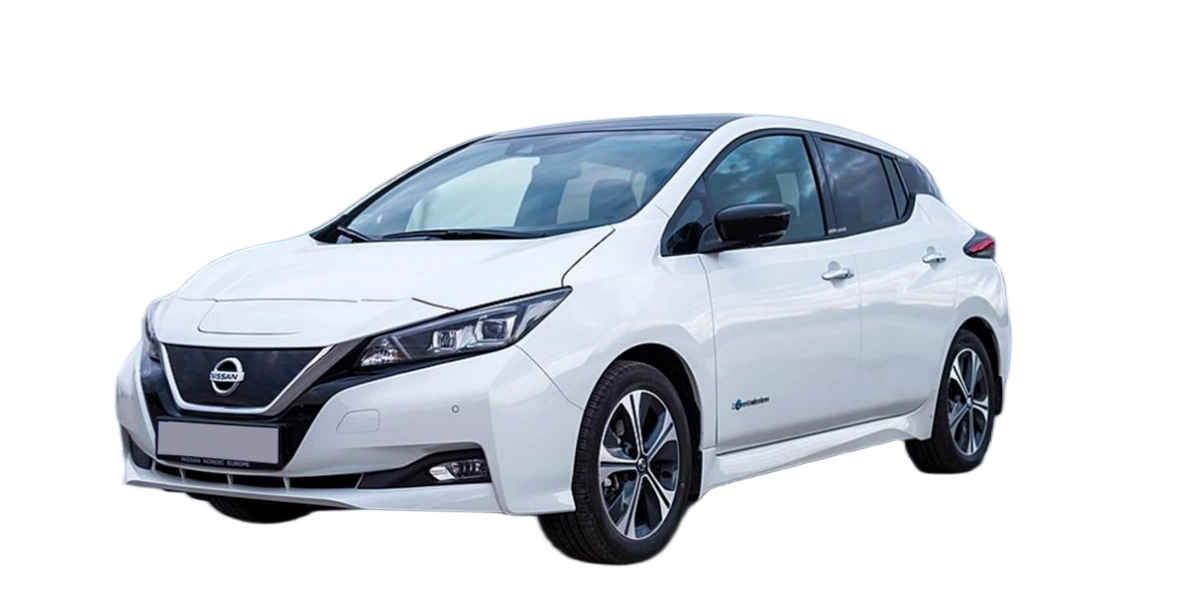
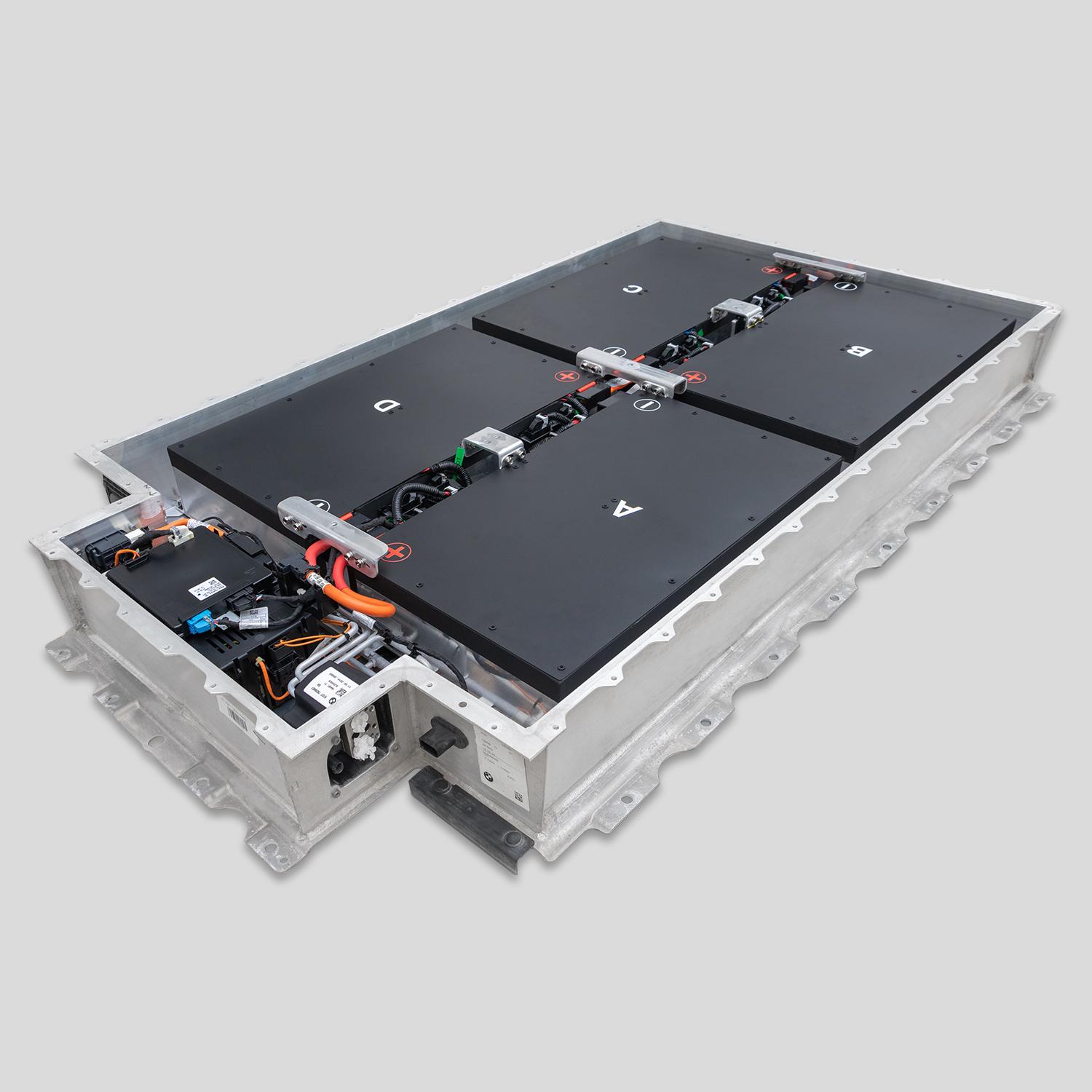
2017 Nissan Leaf New Battery Upgrade Cost Trends
Owning a 2017 Nissan Leaf is a smart choice for eco-friendly driving, but battery degradation is a reality for early EV adopters. If you are facing a shrinking range and high repair quotes from dealerships, you are not alone. The cost to replace or upgrade the battery in a 2017 Nissan Leaf has shifted dramatically in recent years. Gone are the days when scrapping the car was the only option. Today, the trend is leaning heavily toward high-performance, cost-effective aftermarket solutions that breathe new life into your vehicle.
As a dedicated EV battery expert, I have analyzed the 2024-2026 market data, and the numbers tell a compelling story: upgrading your 2017 Leaf is now a smarter financial decision than ever before. This guide breaks down the current cost trends, compares your options, and shows you how to maximize your range without breaking the bank.
Why the 2017 Nissan Leaf Battery Market is Changing
The 2017 Nissan Leaf (specifically the ZE0 chassis code) originally came equipped with a 30 kWh battery pack. While revolutionary at the time, this capacity now struggles to meet the demands of modern drivers. The traditional route—ordering an OEM replacement from Nissan—often costs between $12,000 and $16,000 USD, making the car nearly worthless to repair.
However, a new trend has emerged. Third-party manufacturers, leveraging advancements in Lithium Iron Phosphate (LFP) and NMC technology from suppliers like CATL, are offering complete drop-in replacements. These are not refurbished junkyard batteries; they are brand-new packs designed to OEM specifications but at a fraction of the cost. The current market trend indicates that a brand-new 40kWh or 62kWh upgrade typically costs between $6,000 and $9,000, effectively saving owners 50% or more compared to factory parts.
The “More for Less” Upgrade Trend: kW vs. Cost
One of the most exciting trends in 2026 is the shift from simple “replacement” to “upgrades.” Instead of buying a new 30kWh pack that mimics the degraded original, savvy owners are opting to swap their 2017 Leaf batteries for higher-capacity modules.
Here is a breakdown of the current upgrade cost trends for a 2017 Nissan Leaf:
| Battery Option | Approximate Market Cost | Range Increase (Est.) | Value Trend |
|---|---|---|---|
| OEM 30kWh Replacement | $12,000 – $16,000 | Same (Degraded) | Poor (High Cost, No Gain) |
| Aftermarket 40kWh | $6,000 – $7,500 | +30% Range | Good (Budget Revival) |
| Aftermarket 62kWh | $7,800 – $9,000 | +100% Range | Excellent (Best ROI) |
The Data Speaks Volumes: The trend clearly favors the 62kWh upgrade. For roughly half the price of a factory 30kWh battery, you can double your car’s range. This is not just about fixing a broken car; it is about transforming a 9-year-old economy car into a viable long-range commuter.
Understanding the 2026 Price Drivers
Several factors are driving these favorable cost trends for 2017 Leaf owners:
- Raw Material Stabilization: After the volatility of 2020-2023, Lithium prices have stabilized, allowing manufacturers to offer consistent pricing.
- Technology Shift to LFP: Many aftermarket suppliers are now using LFP (Lithium Iron Phosphate) cells. While slightly heavier, they are significantly cheaper to produce, have longer lifespans, and are inherently safer. This technology shift is a primary reason prices have dropped.
- High Demand for Classic EVs: The “classic car” status of early EVs has created a booming aftermarket ecosystem. Companies are now producing specific Battery Management Systems (BMS) and harnesses that plug directly into the 2017 Leaf chassis, eliminating expensive rewiring costs.
Why Upgrading is Better Than Replacing
When I consult with Leaf owners, I often hear the hesitation: “Is it worth it?” Based on the current trends, the answer is a resounding yes—if you choose the upgrade path.
Avoiding the Refurbished Trap: The market is flooded with cheap “refurbished” 30kWh packs pulled from salvage yards. While these might cost $2,000-$3,000, they come with massive risks. These are 8+ year old cells that have already lost capacity. The trend in 2026 is moving away from these risky refurbishments toward brand-new cell builds.
The “New Cell” Advantage: Companies like CNS Battery (referencing the search data) are leading this trend by building packs using brand-new CATL cells. This means your 2017 car gets a battery with 0 mileage, a full chemical lifecycle ahead of it, and a warranty that often beats the original manufacturer (e.g., 2 years / 80,000 km).
Installation and Hidden Costs
A critical part of understanding cost trends is knowing the “Total Cost of Ownership” post-upgrade.
- DIY vs. Mechanic: The trend shows a rise in DIY installations. Many modern drop-in packs are designed for a “plug-and-play” experience. If you have a mechanically inclined friend, the labor cost can be as low as a pizza dinner. However, if you hire a shop, expect to pay $500-$1,000 for labor.
- Programming: Unlike older EVs, modern battery swaps often require BMS programming to sync with the car. Reputable suppliers now include this service or provide free remote video guidance, which is a significant shift from the “figure it out yourself” attitude of early EV hacking.
Is Your 2017 Leaf Worth Upgrading?
If you are looking at the current landscape, the math is simple. If your car is in good mechanical condition, upgrading the battery is the ultimate form of sustainable driving. You are not just saving money; you are saving the embedded energy of the entire vehicle.
The 2017 Leaf upgrade trend is all about maximizing value. You are not paying to go backward; you are paying to move forward with double the range and a brand-new powertrain.
Frequently Asked Questions (FAQ)
Q1: Can I install a 62kWh battery in my 2017 Leaf myself?
A: Yes, it is possible, but it requires mechanical skill. The trend shows many owners succeed with DIY by following detailed video tutorials. The pack is heavy (approx. 300kg), so you need proper lifting equipment. Most importantly, the BMS often requires programming, which usually needs a laptop and software. If you are not confident, hiring a mechanic for the lift and paying the supplier for remote programming support is a common hybrid approach.
Q2: Will a new aftermarket battery void any remaining factory warranties?
A: Since the 2017 Leaf is now 9 years old, most factory warranties have expired. However, installing an aftermarket battery generally means the car is no longer “stock.” Reputable manufacturers ensure their packs match the OEM voltage and communication protocols perfectly. As mentioned in the search data, some suppliers even offer a 2-year / 80,000 km warranty on their packs, which is often better coverage than what the original manufacturer offers on a used car.
Q3: How much does the range actually increase with a 62kWh upgrade?
A: The original 30kWh 2017 Leaf had a rated range of about 150km (100 miles). In real-world driving today, degraded packs often manage only 80-100km. Upgrading to a 62kWh pack (similar to the latest Leafs) restores the range to approximately 430km (260 miles) on a full charge. This effectively turns your old grocery-getter into a car capable of road trips.
Ready to Revive Your Ride?
Don’t let outdated cost estimates hold you back. The 2026 market offers unprecedented value for 2017 Leaf owners. If you are tired of range anxiety and want to experience your car with brand-new power, it is time to explore your upgrade options.
Get a Free Custom Quote for Your 2017 Nissan Leaf Battery Upgrade Today.