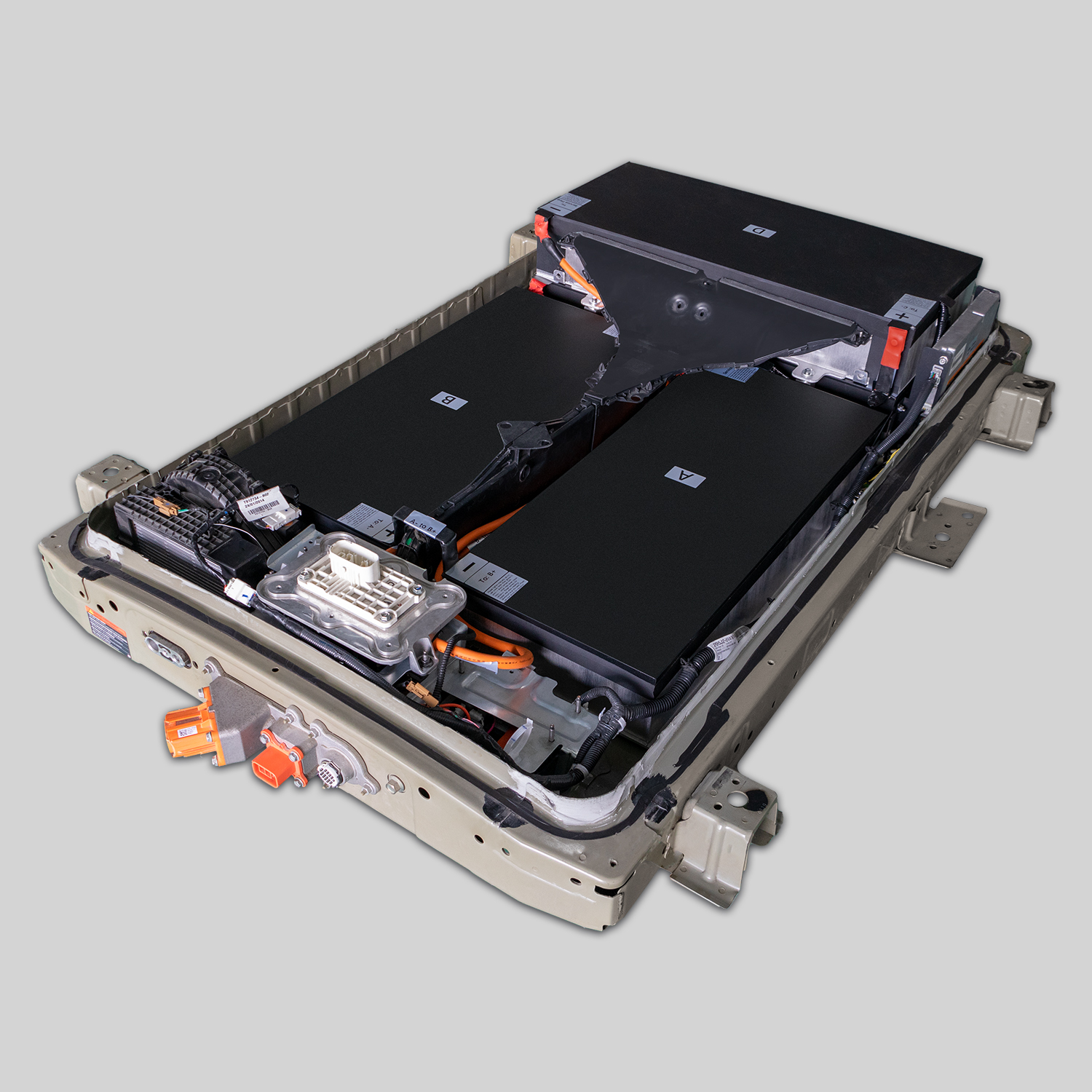
DIY Guide to Installing a New Nissan Leaf Battery: Step-by-Step
Is your Nissan Leaf losing range? If the battery bars are dropping or the “Turtle Mode” light has appeared, you don’t necessarily need a new car. Replacing the battery pack is a cost-effective way to breathe new life into your EV. However, this is a high-voltage project that demands respect, preparation, and the right information.
At CNS BATTERY, we specialize in OEM-compatible lithium-ion battery solutions for Nissan Leafs (ZE0, AZE0, ZE1) and BMWs. We understand that many of our customers are skilled DIY enthusiasts looking to save on labor costs. This guide is designed to walk you through the process safely, ensuring you get the most out of your new Nissan Leaf battery.
🛑 Safety First: The Non-Negotiable Rules
Before you touch a wrench, you must understand the risks. A Nissan Leaf battery operates at high voltage (approximately 360V). Mishandling can result in severe electric shock, fire, or damage to your vehicle’s electronics.
Essential Safety Gear:
- Insulated Gloves: Class 0 (1000V rated) rubber insulating gloves are mandatory.
- Insulated Tools: Use tools specifically designed for electrical work.
- Protective Eyewear: To shield against sparks or debris.
- Workspace: Work in a dry, well-ventilated area. Never work on the battery in the rain or on a wet surface.
Expert Tip: Always disconnect the 12V auxiliary battery first to cut power to the vehicle’s control systems before approaching the high-voltage components.
📦 What’s in the Box? Checking Your CNS Battery
When you purchase a Nissan Leaf battery from CNS, you receive a plug-and-play solution designed for perfect OEM fitment. Before installation, inspect your package:
- The Battery Pack: Available in 40kWh, 50kWh, 62kWh, or 68kWh variants.
- Harness & Connectors: Pre-attached cables matching the factory specifications.
- Accessories Kit: Usually includes terminal grease, mounting hardware, and safety warnings.
Our batteries use brand-new CATL cells, ensuring you get the performance and longevity of a new pack without the original manufacturer’s markup (often saving 50%+).
🛠️ Step-by-Step Installation Guide
While specific steps may vary slightly between the ZE0 (2011-2017) and ZE1 (2018+) models, the core process remains the same.
Step 1: Preparation and Vehicle Lift
- Park the vehicle on a flat surface and engage the parking brake.
- Lift the car using a hydraulic jack and secure it on jack stands. Never rely solely on a jack.
- Remove the underbody covers to access the battery mounting area.
Step 2: Disconnecting the Old Battery
- Locate the Service Disconnect (MSD): This is the emergency “kill switch” for the high-voltage system. Pull it out first.
- Disconnect Cables: Carefully disconnect the positive (+) and negative (-) terminals. Mark them clearly to avoid reverse polarity during reinstallation.
- Unplug Harnesses: Disconnect the communication and temperature sensor harnesses from the Battery Management System (BMS).
Step 3: Removing the Mounting Brackets
- Remove the bolts securing the battery to the chassis. This typically requires a torque wrench.
- Caution: The battery is heavy (approx. 300kg / 660lbs). Use a transmission jack or a specialized EV battery lift to lower it safely. Do not attempt to lift it manually.
Step 4: Installing the New CNS Battery
- Lift and Align: Using your jack, carefully lift the new CNS battery into the chassis cavity. Align the mounting holes.
- Reconnect Harnesses: Plug in the communication cables and temperature sensors first.
- Reconnect High Voltage: Reattach the positive cable, followed by the negative cable. Apply terminal grease to prevent corrosion.
- Reinsert MSD: Snap the service disconnect back into place.
Step 5: Final Checks and Lowering
- Reinstall the underbody covers.
- Lower the vehicle from the jack stands.
💻 Post-Installation: Programming and Testing
Unlike a simple engine swap, an EV battery requires the car’s brain (BMS) to recognize the new hardware.
- BMS Programming: This is the most critical step. You will need diagnostic software (like Nissan Consult) or a dedicated programming tool to update the BMS with the new battery’s parameters.
- Note: If you encounter issues during programming, our technical team offers remote video guidance to assist you.
- Initial Charge: Plug the car into a charger. The system should recognize the battery and begin charging normally.
- Test Drive: Take a short drive to ensure the state of charge (SOC) is accurate and there are no warning lights.
🤔 Why Choose a CNS Battery for Your DIY Project?
When you embark on a DIY Nissan Leaf battery replacement, you want reliability and support. Here is why our customers trust CNS:
- Perfect Fitment: Our packs are engineered to match OEM dimensions, ensuring a seamless drop-in replacement.
- Zero Modification: Our batteries are plug-and-play. You should not need to cut wires or modify brackets.
- Unbeatable Warranty: We back our products with a 2-year / 80,000 km warranty, covering manufacturing defects and capacity degradation.
- Expert Support: While this is a DIY guide, our team is just an email away if you hit a snag.
❓ Frequently Asked Questions (FAQ)
Q1: How long does it take to install a new Nissan Leaf battery?
For a DIYer with the right tools and a helper, the installation typically takes 1.5 to 2 hours. This includes disconnecting the old unit, lifting in the new one, and reconnecting the cables. If you are new to EV mechanics, allow extra time for caution.
Q2: Do I need special tools to replace the battery?
Yes. Besides standard wrenches, you absolutely need:
- A Transmission Jack or EV battery lift capable of holding 300kg+.
- Class 0 Insulated Gloves.
- A Torque Wrench to correctly tighten the mounting bolts.
- A Diagnostic Tool (or access to one) for BMS programming.
Q3: Is it safe to do this myself, or should I hire a mechanic?
While this guide provides the steps, working with high voltage is inherently dangerous. If you are not comfortable working with 360V+ systems, or if you lack the proper lifting equipment, please hire a certified technician. However, if you follow the safety protocols and have mechanical experience, many of our customers successfully perform this upgrade themselves.
Q4: Will my car’s warranty be voided if I install a CNS battery myself?
Installing an aftermarket battery generally means the powertrain warranty from the original dealer is no longer valid for battery-related issues. However, CNS provides its own comprehensive warranty. Furthermore, because our packs are designed to OEM specifications, they do not damage the vehicle’s other electronics when installed correctly.
Q5: What if I get stuck during the installation or programming?
Don’t panic. CNS offers dedicated pre-sales and after-sales support. If you encounter a wiring issue or BMS programming error, our technical experts can provide remote video guidance to walk you through the solution.
Ready to revive your Nissan Leaf? Get a free quote for your custom battery solution today.