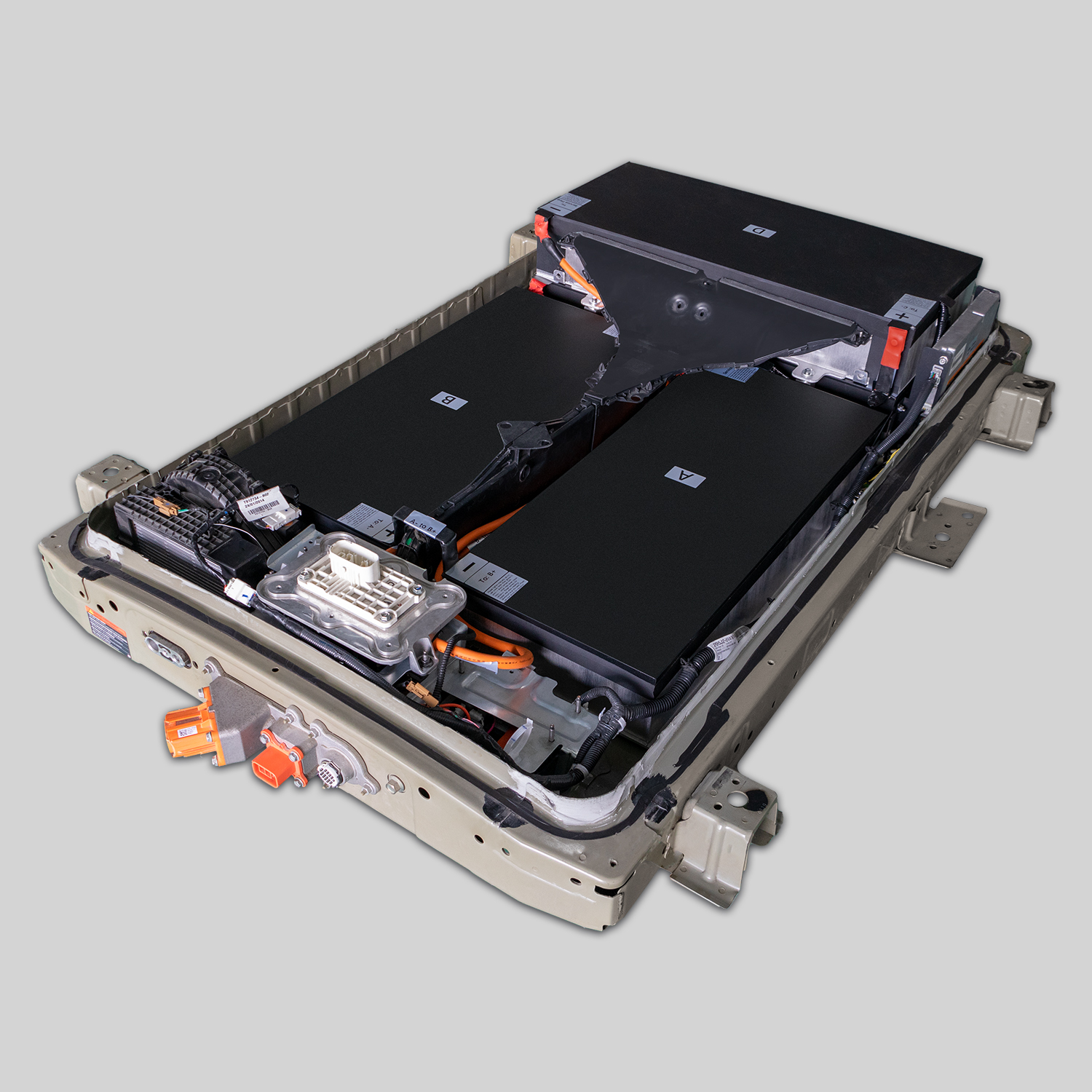
Nissan Leaf 30kWh Battery Upgrade Tutorial: Install New Packs Easily
If you own a Nissan Leaf with a 30kWh battery pack, you know the struggle. Originally found in early 2011-2012 models, this battery was a pioneer of electric motoring. However, after more than a decade of service, these packs often suffer from severe degradation, leaving drivers with a range anxiety that barely covers a few miles.
The good news is that you don’t need to scrap your trusty Leaf. Upgrading to a modern, high-capacity lithium-ion pack is the most cost-effective way to revive your vehicle. This comprehensive guide will walk you through the “why” and “how” of the upgrade process, specifically focusing on replacing the aging 30kWh unit with a robust, new solution.
Why Upgrade the 30kWh Battery?
The original 30kWh (often referred to as the “Lamda” pack) was revolutionary for its time. However, early lithium-ion technology had limitations. After 10+ years, these batteries typically retain less than 50% of their original capacity.
The Reality of the 30kWh:
- Severely Limited Range: What was once 100+ miles is now often less than 50 miles in real-world conditions.
- Swelling and Damage: Many of these early packs suffer from physical cell swelling, making them unsafe or impossible to balance.
- Obsolete Technology: They lack the Battery Management System (BMS) sophistication of modern packs.
The Upgrade Solution:
Instead of paying a premium for a refurbished 30kWh unit that will fail again in 1-2 years, we recommend upgrading to a brand-new 40kWh or 62kWh lithium battery pack. These modern units offer superior safety, longer lifespan, and are built with new cells from top manufacturers like CATL.
Step-by-Step: Installing Your New Battery Pack
Upgrading your Nissan Leaf’s heart is a significant but manageable project. Whether you are a DIY enthusiast or a professional mechanic, this process generally takes 1-2 hours.
1. Preparation and Safety
Before you begin, ensure you have the necessary tools: insulated wrenches, jack stands, and personal protective equipment (PPE). Safety is paramount. Always disconnect the 12V auxiliary battery first to cut power to the vehicle’s systems.
2. Removing the Old 30kWh Pack
The 30kWh pack is located under the floor of the cabin. You will need to:
- Remove the rear seat cushion and the floor coverings.
- Disconnect the high-voltage connectors and the low-voltage communication cables.
- Unbolt the pack from the chassis. Note: Due to the age of these vehicles, bolts may be rusted. Apply penetrating oil and take care not to strip them.
3. Installing the New High-Capacity Pack
This is where the magic happens. Modern replacement packs, such as those offered by industry leaders, are designed as Plug-and-Play solutions for Nissan Leafs (ZE0, ZE1, AZE0).
- Physical Fitment: The new 40kWh or 62kWh packs are engineered to fit the exact OEM dimensions. You won’t need to modify the chassis.
- Connector Matching: The wiring harnesses and communication ports are designed to match the original factory specifications. You simply reconnect the high-voltage cables and the CAN bus lines.
- BMS Programming: This is the most critical step. Unlike simple swaps, upgrading from a 30kWh requires the car’s ECU to recognize the new battery’s capacity and chemistry. Reputable suppliers provide a specific BMS programming service or tool to ensure the dashboard displays the correct State of Charge (SOC) and communicates correctly with the charger.
Expert Tip: If you encounter a “Battery Management System Fault” after installation, it usually means the BMS needs to be reset or updated to match the Leaf’s VIN. Most professional suppliers offer remote video guidance to walk you through this 5-minute fix.
Why Choose a Brand-New Replacement Over Refurbished?
When searching for a “Nissan Leaf 30kWh upgrade,” you will likely see two options: cheap refurbished packs and new OEM-spec packs. As an industry expert, I strongly advise against refurbished units for this specific upgrade path.
Here is a comparison of the options available in the market:
| Feature | Refurbished/Used Packs | Brand New OEM-Compatible Packs (Recommended) |
|---|---|---|
| Core Cells | Aged, mismatched cells (often salvaged from other dead cars) | Brand new, high-grade cells (e.g., CATL) |
| Warranty | Often none, or very short (3-6 months) | 2 Years / 80,000 km official warranty |
| Longevity | High risk of swelling or failure within 6-12 months | Stable performance, designed for 8-10+ years |
| Price | Low upfront cost, but high risk of repeat replacement | Moderate cost, 50%+ cheaper than dealership |
| Safety | Risk of thermal runaway due to degraded cells | Advanced BMS with overcharge/overheat protection |
Choosing a new pack means you are not just replacing a battery; you are upgrading your car to modern EV standards. You gain faster charging acceptance, better cold-weather performance, and the peace of mind that comes with a substantial warranty.
Maximizing Your Investment: Post-Installation Tips
Once your new pack is installed, you want to ensure it lasts as long as possible.
- Avoid 100% Charging Daily: For daily use, keep the charge between 20% and 80%. Only charge to 100% when you need the maximum range for a long trip.
- Storage: If you plan to store the car for months, keep the battery at around 50% charge in a cool, dry place.
- Winter Care: If you live in a cold climate, try to park the car in a garage. Pre-conditioning the battery while plugged in before driving helps maintain range and efficiency.
Frequently Asked Questions (FAQ)
Q1: Can I physically install a 62kWh pack in my old 30kWh Leaf?
Yes, absolutely. Modern aftermarket manufacturers design the 40kWh and 62kWh packs to fit the exact chassis dimensions of the early Nissan Leaf models (ZE0). The mounting points, width, and height are identical to the original 30kWh specification, making it a direct bolt-in replacement.
Q2: Will the car’s software recognize the new battery capacity?
Yes, but it requires programming. The physical installation is plug-and-play, but the software (BMS) needs to be updated to tell the car it has a larger, modern battery. This prevents the car from thinking there is a fault. Reputable suppliers handle this programming before shipping or provide a simple tool to do it yourself.
Q3: How much will my range increase after the upgrade?
You will experience a massive improvement. While the degraded 30kWh might only give you 30-40 miles, a new 40kWh pack will restore your range to approximately 120-130 miles, and a 62kWh pack can push it to over 200 miles, effectively turning your old Leaf into a modern EV.
Q4: Is it safe to install this myself?
If you are mechanically inclined and follow safety protocols (disconnecting the 12V battery first), it is safe. However, because lithium-ion batteries store high energy, we strongly recommend wearing insulated gloves and using insulated tools. If you are unsure about the BMS programming or high-voltage connections, please consult a professional mechanic.
Ready to bring your Nissan Leaf back to life with a brand-new, high-capacity battery? Don’t let the limitations of the old 30kWh technology hold you back. Get a free, customized quote today for a direct-fit replacement solution.