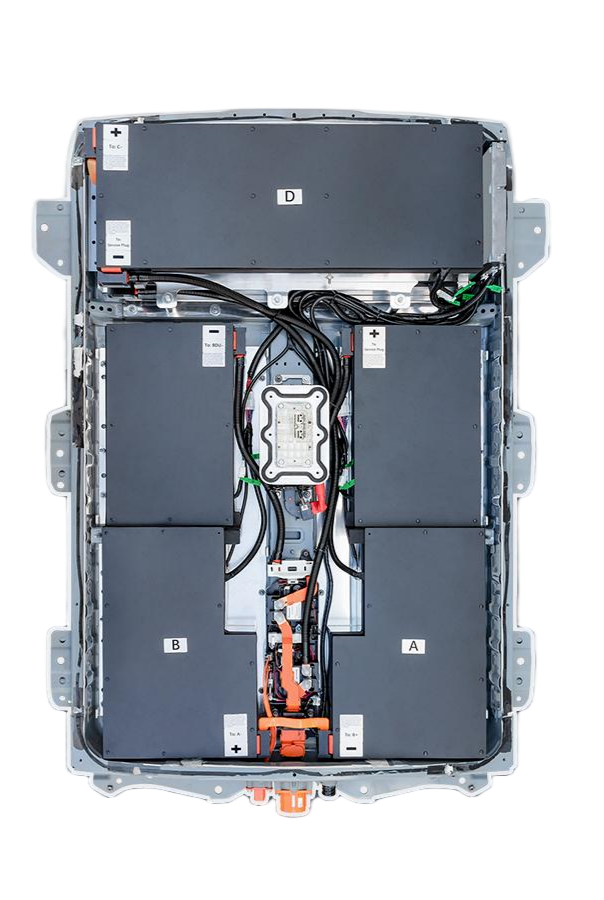
Here is the SEO-optimized article written from the perspective of a CNS BATTERY expert.
DIY Nissan Leaf 62kWh Battery Replacement: New Batteries Step-by-Step
Is your Nissan Leaf struggling to keep up with your daily commute? If you own a Leaf ZE0, AZE0, or ZE1 model, you know that battery degradation is the single biggest factor limiting your vehicle’s lifespan. While the original manufacturer might offer a replacement costing upwards of $16,000, there is a smarter, more affordable path: upgrading to a brand-new 62kWh lithium battery pack.
At CNS BATTERY, we specialize in OEM-compatible powertrains designed specifically for Nissan and BMW electric vehicles. We understand that many Leaf owners are skilled DIYers or work with independent mechanics who want to avoid dealership markups. This comprehensive guide will walk you through the step-by-step process of replacing your old Leaf battery with a new 62kWh unit, highlighting the tools you need, the safety protocols to follow, and why a new CATL cell-based pack is the ultimate solution for reviving your car.
Why Upgrade to a 62kWh Battery?
Before we dive into the mechanics, let’s talk about why the 62kWh upgrade is so transformative.
Most early Nissan Leafs came with 24kWh or 30kWh batteries. Over time, these degrade, leaving you with a range of barely 80-100km. Upgrading to a 62kWh lithium battery pack effectively doubles (or even triples) your driving range.
- Extended Range: A new 62kWh pack can deliver a real-world range of approximately 430km on a full charge.
- New Cell Technology: Unlike refurbished or recycled batteries, a new pack utilizes brand-new, top-tier CATL lithium cells. This ensures maximum energy density, thermal stability, and a lifespan far exceeding that of a used module.
- Cost Efficiency: Replacing your battery with a CNS BATTERY solution saves you over 50% compared to the original manufacturer’s price, often bringing the cost down from $16,000 to under $8,000.
Pre-Installation: Safety & Preparation
Safety is paramount. Lithium-ion batteries store high voltage, and improper handling can lead to serious injury or damage. Before you touch a wrench, follow these preparation steps:
- Power Down: Ensure the vehicle is completely powered off. Remove the key fob from the vicinity to prevent accidental activation.
- Disconnect 12V: Locate the 12V auxiliary battery under the hood. Disconnect the negative terminal first. This cuts power to the vehicle’s control systems.
- Wait Time: After disconnecting, wait at least 10 minutes. This allows the capacitors in the inverter and BMS (Battery Management System) to discharge fully.
- PPE (Personal Protective Equipment): Wear insulated rubber gloves and safety glasses. Ensure your workspace is dry and well-ventilated.
Expert Tip: Always double-check the voltage across the battery terminals with a multimeter before proceeding. You should read 0V to confirm the system is safe.
Step-by-Step Installation Guide
Based on our extensive technical data and feedback from thousands of successful installations, here is the standard procedure for replacing a Leaf battery with a 62kWh pack.
Step 1: Access the Battery Compartment
Lift the vehicle using a hydraulic jack or lift. Secure it with axle stands. Remove the underbody protection panels to expose the high-voltage battery casing.
Step 2: Disconnect the High Voltage (HV) Cables
Locate the main HV connector on the side of the battery. This is usually secured with a locking tab.
- Release the tab and unclip the connector.
- Crucial: Immediately cover the exposed connector with insulating tape to prevent accidental contact.
Step 3: Remove the Service Plug (If Applicable)
If your model has a service plug (often orange), remove it to physically break the high-voltage circuit within the battery pack itself.
Step 4: Disconnect the Low Voltage (LV) Harness
Trace the signal cables from the battery to the BMS. Carefully unplug the LV harness. This is how the car communicates with the battery.
Step 5: Remove the Mounting Brackets
Using a torque wrench, remove the bolts securing the battery to the vehicle chassis. The Nissan Leaf battery is typically held by 4-6 main bolts. Be mindful of the weight—a 62kWh pack weighs approximately 300kg. You will need a transmission jack or a specialized EV battery lift to support it.
Step 6: Lower the Old Battery
Slowly lower the old battery using the lift. Take care not to damage the undercarriage.
Step 7: Install the New 62kWh Pack
Position the new CNS BATTERY 62kWh pack onto the lift. Align it with the chassis mounting points.
- Plug-and-Play Design: Our packs are engineered to OEM standards, meaning the connectors, brackets, and dimensions match perfectly. No modifications are required.
- Lift the new battery into place and secure it with the mounting bolts (torque to factory specifications).
Step 8: Reconnect Cables
Reverse the disconnection process:
- Reconnect the LV signal harness.
- Reconnect the HV cables, ensuring the locking tab clicks securely.
- Reinstall any protective covers.
Step 9: BMS Programming & First Power-On
This is where many DIYers get stuck, but with CNS, it’s seamless.
- Reconnect the 12V battery.
- Turn the ignition to “On” (do not start the car yet).
- Our pre-programmed BMS will automatically handshake with the vehicle. If a manual reset is needed, our technical support team provides remote video guidance to reset the BMS fault codes.
Why Choose a New Pack Over a Refurbished One?
When searching for a “Nissan Leaf battery replacement,” you will encounter two main options: refurbished/swapped batteries and brand-new packs like those from CNS.
| Feature | Refurbished/Recycled Battery | CNS New 62kWh Battery |
|---|---|---|
| Core Cells | Old, degraded cells; risk of swelling or failure. | Brand-new CATL cells; zero cycle count. |
| Warranty | Often none, or very short (3-6 months). | 24 months / 80,000 km official warranty. |
| Performance | Unpredictable range; rapid degradation likely. | Guaranteed 430km+ range; stable performance. |
| Cost | Cheap upfront, but high risk of re-replacement. | 50% savings vs OEM; lifetime value. |
Choosing a new pack means you aren’t just fixing the current problem; you are future-proofing your vehicle for another 8-10 years of reliable service.
Post-Installation Care
After your new 62kWh battery is installed, we recommend the following:
- First Charge: Perform a full 0-100% charge cycle to calibrate the BMS.
- Break-in Period: For the first 500km, avoid rapid acceleration to allow the cells to stabilize.
- Software Update: While our packs are plug-and-play, ensuring your Leaf’s ECU software is up-to-date can optimize charging algorithms.
Frequently Asked Questions (FAQ)
1. Is the 62kWh battery a direct fit for my Nissan Leaf model?
Yes. CNS BATTERIES are designed to OEM specifications. Whether you drive a Leaf ZE0, AZE0, or ZE1, our 62kWh pack is a direct replacement. We cover all variants including the 2011-2023 models. Before purchasing, you can use our free compatibility checker or contact our experts to confirm your VIN.
2. How long does the installation take?
For a professional technician, the physical swap usually takes 1 to 2 hours. DIY users with the right equipment (battery lift) can complete it in about 2-3 hours. The process is significantly faster than modifying a battery, as it is a pure bolt-on replacement.
3. Do I need special tools to replace the battery?
You do not need specialized electrician tools, but you do need a transmission jack or an EV battery lift capable of handling 300kg. Standard wrenches and torque wrenches are sufficient for the bolts. Never attempt to lift the battery by hand.
4. What is included in the 62kWh battery package?
Every CNS pack includes the complete lithium battery assembly, pre-installed thermal pads, and all necessary hardware. We also provide a detailed installation manual and access to our technical support team for programming assistance.
5. What warranty do I get with a new 62kWh battery?
We stand by our quality. All CNS Automotive Batteries come with a minimum 2-year or 80,000 km warranty. This covers defects in materials and workmanship, including protection against capacity degradation (ensuring it maintains at least 70% capacity).
Ready to Revive Your Nissan Leaf?
Don’t let battery degradation sideline your reliable Nissan Leaf. Upgrading to a new 62kWh lithium battery pack is the most cost-effective way to restore your car to “like new” condition, giving you back the long-range driving capability you need.
At CNS BATTERY, we make it easy. We offer free compatibility checks, expert technical support, and a warranty that beats the industry standard.
Get your personalized quote today and get back on the road with confidence.