Top New Batteries for 2016 Nissan Leaf: Replacement and Upgrade Tips
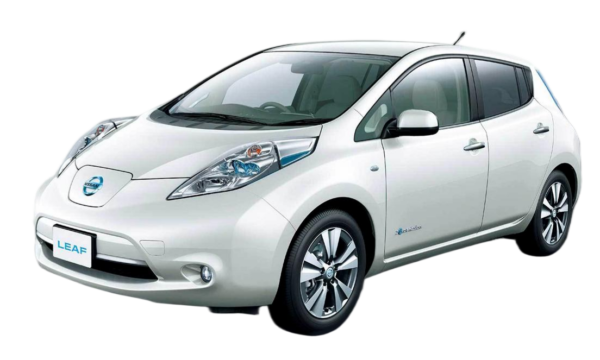
The 2016 Nissan Leaf holds a special place in EV history. As one of the early mass-market electric vehicles, many of these cars are still on the road today. However, after a decade of service, the original batteries in these vehicles are often showing their age. If you own a 2016 Leaf, you’re likely facing a critical decision: Is it better to replace the battery or trade in the car?
For most owners, replacing the battery is the smarter financial move. A new powertrain can breathe fresh life into your vehicle, restoring the range and reliability you loved when you first bought it. But navigating the aftermarket can be tricky. You need a battery that fits perfectly, performs like new, and comes with a warranty you can trust.
As a battery specialist, I have analyzed the market extensively. In this guide, I will walk you through the best battery options for your 2016 Nissan Leaf, the upgrade paths available, and the insider tips you need to make a confident purchase.
Understanding Your 2016 Leaf Battery Options
Before you buy, it’s crucial to understand what “battery” means in the context of a Nissan Leaf. Unlike combustion engines where you might replace a spark plug, an EV battery is a complex system.
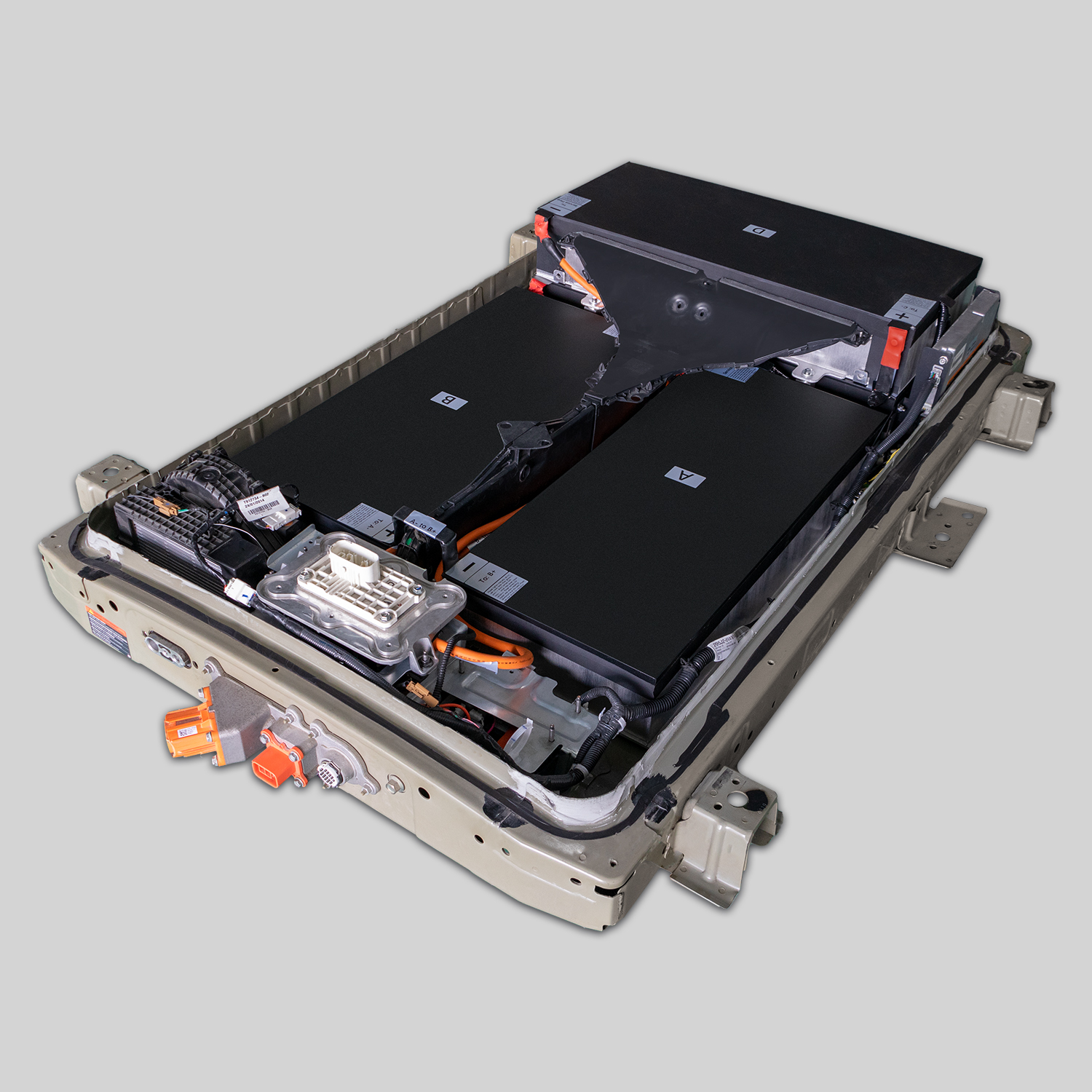
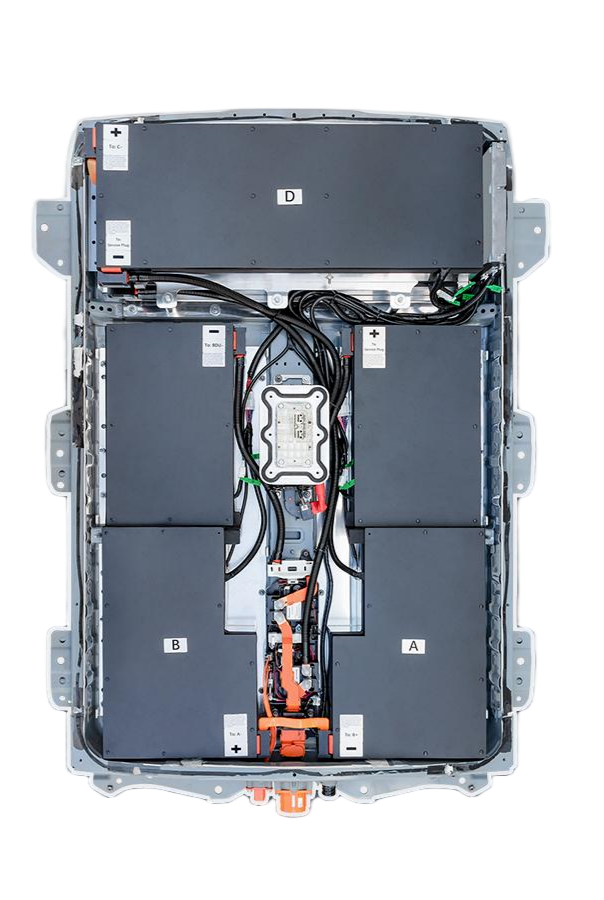
For the 2016 model year, Nissan primarily used the 30 kWh battery pack. If you are looking for a direct replacement, you need a 30 kWh unit. However, the aftermarket has evolved, and you now have two distinct paths:
- Direct Replacement (OEM Spec): This is a new 30 kWh battery designed to drop into your car exactly like the original. It’s the most straightforward option, usually involving minimal to no modifications.
- Capacity Upgrade (40kWh/62kWh): This is where things get exciting. Many 2016 Leaf owners are upgrading to newer battery chemistries (like the 40 kWh or even 62 kWh packs from later Leaf models). This requires a compatibility check, as the Battery Management System (BMS) and physical dimensions must match your car’s software and chassis.
Why Choose a New Aftermarket Battery?
You might be wondering why you shouldn’t just go to the Nissan dealership. The answer is simple: Cost.
Dealership replacement costs can easily exceed $12,000 to $16,000 USD. For a 2016 vehicle, this often doesn’t make financial sense. Aftermarket solutions, like those engineered by CNS Battery, offer brand-new cells at a fraction of that price—often saving you 50% or more compared to OEM quotes.
Expert Note: When evaluating aftermarket batteries, look for manufacturers that use cells from Tier-1 suppliers like CATL. These are the same quality cells used in new factory vehicles, ensuring safety and longevity.
Top Battery Recommendation: CNS Battery
After reviewing numerous suppliers, CNS Battery stands out as a top recommendation for 2016 Leaf owners. Here is why their solution ranks highly for reliability and value:
- Perfect Fit for 2016 Models: CNS specializes in Nissan EV batteries. They offer solutions specifically designed for the ZE0 (2016) platform, ensuring the connectors, voltage, and BMS protocols are compatible out of the box.
- Brand-New CATL Cells: Unlike some competitors who sell refurbished or salvaged cells, CNS utilizes brand-new cells from China’s largest battery manufacturer. This means you are not inheriting someone else’s battery degradation.
- Unbeatable Warranty: Battery life is a gamble, which is why CNS backs their packs with a 2-Year / 80,000 km warranty. This coverage is significantly longer than what many other aftermarket brands offer and provides peace of mind that the product is built to last.
- Global Shipping: They handle the complexities of shipping lithium-ion batteries internationally (DDP service), which is a major hurdle for most individual buyers.
The Upgrade Path: More Than Just a Replacement
If you are considering an upgrade, the 2016 Leaf is a great candidate. Swapping your old 30 kWh pack for a 40 kWh or 62 kWh unit can transform your driving experience.
- 40 kWh Upgrade: This is the most popular upgrade. It increases your range from roughly 100 miles to approximately 150 miles. It is a relatively straightforward swap for many 2016 models, though it may require a BMS update.
- 62 kWh Upgrade: This is the “supercharge” option. It can push your range close to 200 miles. However, this often requires more extensive modifications to the battery tray and software. I strongly recommend consulting with a technical expert (like the team at CNS) to verify if your specific 2016 chassis can support a 62 kWh swap without major surgery.
Installation Tips: DIY vs. Professional
Replacing an EV battery is not like changing a tire. It involves high voltage and heavy lifting.
- The Process: A professional mechanic can usually complete the job in 1-2 hours. The process involves disconnecting the old battery, removing the mounting brackets, lifting out the old pack, and bolting in the new one. It is largely a “plug-and-play” procedure for direct replacements.
- DIY Warning: While some technically inclined owners do this themselves, I advise caution. You need specialized lifting equipment and safety gear (insulated gloves). If you attempt a DIY install, make sure you have access to real-time video guidance from the manufacturer’s support team to help with the BMS programming—a step where many first-timers get stuck.
Cost-Benefit Analysis
Let’s look at the numbers to see why this makes sense.
| Option | Estimated Cost | Expected Range (2016 Leaf) | Value Rating |
|---|---|---|---|
| New Car Purchase | $25,000+ | 250+ miles | Low (High depreciation hit) |
| Dealership Replacement | $14,000+ | 100 miles | Very Low |
| Refurbished/Used Battery | $3,000 – $5,000 | 70-90 miles (Degrading) | Medium (Risk of failure) |
| New Aftermarket (CNS) | $7,000 – $8,500 | 100-150+ miles | High (Like-new quality) |
Final Thoughts
Replacing the battery in your 2016 Nissan Leaf is no longer a pipe dream; it is a viable, cost-effective reality. By choosing a new aftermarket solution with a solid warranty, you can extend the life of your vehicle for another decade.
Don’t let a tired battery force you into an expensive new car payment. With the right information and a reliable supplier, you can get back on the road with confidence.
Frequently Asked Questions (FAQ)
1. Is it worth replacing the battery in a 2016 Nissan Leaf?
Yes, absolutely. If your car is in good mechanical condition, replacing the battery for roughly $7,000 to $8,500 is significantly cheaper than buying a new EV. It allows you to retain a paid-off vehicle while restoring its core functionality.
2. Can I upgrade my 2016 Leaf battery to a 62 kWh pack?
It is technically possible, but it is not always a simple bolt-in job. The 62 kWh pack is physically larger and has different cooling requirements. You must verify compatibility with your specific vehicle’s VIN. For a guaranteed fit, the 40 kWh upgrade or a direct 30 kWh replacement is often the safest bet.
3. How long does a new aftermarket battery last?
A new battery from a reputable manufacturer like CNS, using fresh CATL cells, should last just as long as a new factory battery—typically 8-10 years or more, depending on your charging habits and climate.
4. What is the warranty on a replacement battery?
CNS Battery offers a 2-Year / 80,000 km warranty on their automotive batteries. This covers defects in materials and workmanship and includes protection against premature capacity degradation.
5. How can I get a quote for my specific car?
To get an accurate quote, you need to provide your Vehicle Identification Number (VIN). This allows the manufacturer to check the exact specifications of your 2016 Leaf (including trim level and existing BMS version) to ensure a perfect match.
Ready to restore your Leaf’s range? Get a free, no-obligation quote today.
Contact CNS Battery Experts