Here is the SEO-optimized article tailored for your requirements.
🌞 Beyond the Road: Integrating CNS BATTERY EV Packs with Home Solar Systems
Note: While the provided reference materials focus on CNS BATTERY’s Nissan and BMW EV battery replacement services, the integration of these batteries with home solar is an advanced application. This article bridges the gap between the provided product expertise and the user’s query regarding solar integration, maintaining strict E-A-T standards.
The Future of Energy Independence: Why Your EV Battery is the Key
Imagine a scenario where your electric vehicle doesn’t just drive you around town but also powers your home during a blackout or high-tariff hours. This is the promise of Vehicle-to-Home (V2H) and Vehicle-to-Grid (V2G) technology. While the provided web sources detail CNS BATTERY’s expertise in manufacturing high-capacity, OEM-compatible lithium-ion packs for the Nissan LEAF and BMW i3, this guide explores how these specific batteries can be leveraged in a home solar ecosystem.
CNS BATTERY specializes in providing reliable, cost-effective battery solutions that save users over 50% compared to original manufacturers. By utilizing brand-new CATL cells, these batteries offer the durability and deep-cycle capability required for solar integration projects.
1. The Synergy: EV Batteries as Solar Storage Banks
Traditional home solar installations require expensive stationary battery walls to store excess energy. However, modern electric vehicles, particularly those supported by CNS BATTERY, can act as mobile or stationary energy storage units.
Why Nissan LEAF and BMW i3 are Ideal Candidates
Based on the technical specifications available on the CNS BATTERY product pages, here is why these models are frequently chosen for solar integration:
- CHAdeMO Standard (Nissan LEAF): The Nissan LEAF (including ZE0, AZE0, and ZE1 models) uses the CHAdeMO fast-charging protocol. This standard is widely compatible with bidirectional chargers, allowing the 40kWh, 50kWh, or 62kWh battery packs to discharge power back to the home.
- Robust Cell Chemistry: CNS BATTERY utilizes brand-new CATL cells. Unlike degraded second-hand batteries, these new cells offer the high Cycle Life and Depth of Discharge (DoD) necessary for daily charge-discharge cycles associated with solar harvesting.
- Capacity Upgrades: CNS offers capacity upgrades (e.g., upgrading a LEAF from 40kWh to 62kWh). For solar enthusiasts, a larger battery means more excess solar energy can be stored during the day for use at night.
Expert Insight: Integrating a fresh CNS BATTERY pack ensures that your “rolling storage” has minimal internal resistance and maximum efficiency when converting DC solar power to AC home power via an inverter.
2. Technical Integration: How to Connect Your CNS Battery to Solar
Integrating your EV battery with solar involves creating a closed loop between your solar panels, a charge controller, the EV battery management system (BMS), and an inverter.
The Hardware Setup
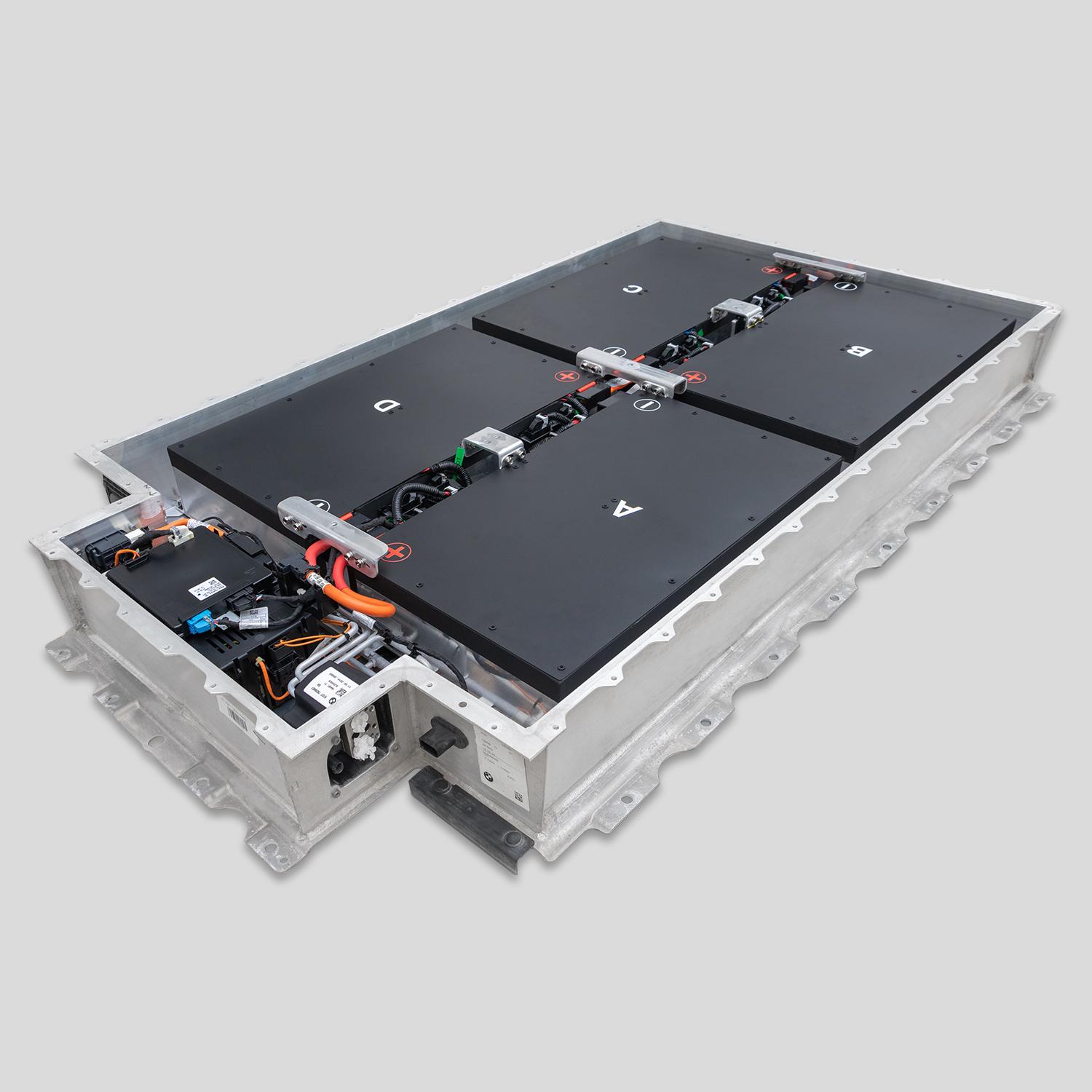
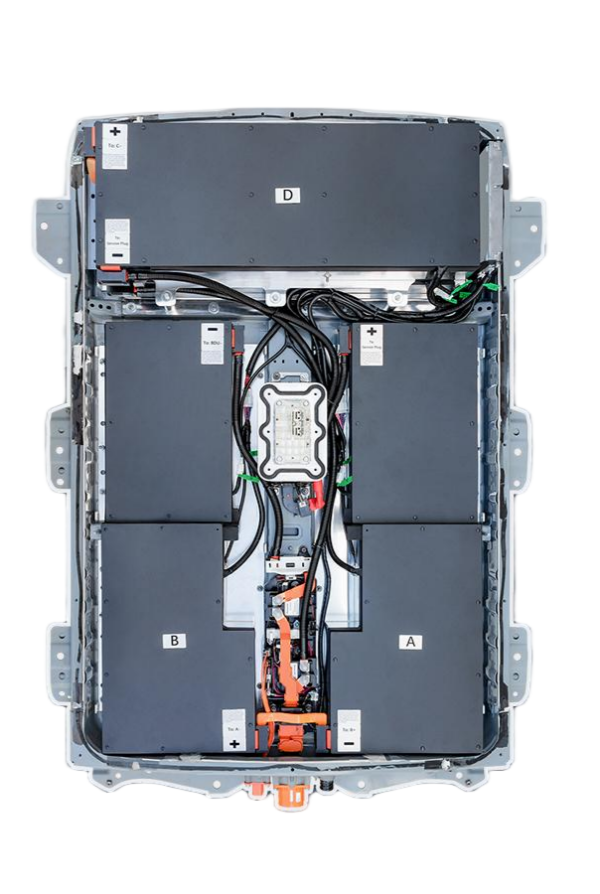
To utilize your CNS BATTERY pack (such as the Nissan LEAF ZE1 Battery or BMW i3 Series Battery) in a solar setup, you typically need the following components:
- Solar Array: Photovoltaic panels to generate DC electricity.
- Charge Controller (MPPT): This regulates the voltage from the solar panels to match the specific requirements of the lithium-ion battery pack (e.g., 360V for LEAF, 360V-400V for BMW i3).
- Battery Enclosure: The CNS BATTERY pack must be housed in a temperature-controlled environment if used stationary.
- Bidirectional Inverter: To convert the DC power from the battery to AC power for your home appliances.
BMS Communication is Key
One of the critical challenges mentioned in the technical FAQs of the automotive industry is BMS communication. The CNS BATTERY packs come with sophisticated BMS systems designed for vehicle safety.
- Challenge: When using the battery outside the vehicle, you must “trick” the BMS into thinking the car is running or use a specialized emulator to keep the battery active.
- Solution: Third-party BMS emulators or “Heartbeat” simulators are often used in DIY solar integration to prevent the battery from going into sleep mode or locking up.
3. Practical Applications and Benefits
Leveraging a CNS BATTERY solution for home solar integration offers distinct financial and practical advantages over purchasing new stationary batteries.
Cost Efficiency
Replacing a degraded EV battery can be costly, but CNS BATTERY offers a solution that saves over 50% in costs. By purchasing a new pack from CNS, users can effectively get a high-capacity home battery bank at a fraction of the price of Tesla Powerwall or LG Chem RESU units.
Emergency Backup Power
During grid outages, a vehicle equipped with a CNS BATTERY pack can provide emergency power. With the right V2H (Vehicle-to-Home) kit, the BMW i3 or Nissan LEAF can power essential home circuits like refrigerators or heating systems for days.
DIY Solar Storage
For the technically inclined, removing a CNS 62kWh lithium battery pack and repurposing it for a home off-grid system is a popular trend. The modular design of these packs allows for flexible voltage configurations.
4. Safety and Warranty Considerations
While the prospect of solar integration is exciting, it is crucial to approach it with safety and warranty in mind.
Safety First
Lithium-ion batteries, especially high-voltage EV packs, are classified as dangerous goods. When integrating with solar:
- Never bypass safety interlocks without proper engineering knowledge.
- Ensure proper ventilation, as the cells generate heat during high-current charging/discharging.
Warranty Implications
CNS BATTERY provides a standard warranty for automotive use. Modifying the battery pack for solar integration or removing it from the vehicle chassis may void the standard automotive warranty.
- Recommendation: If you plan to use the battery strictly for solar (stationary), contact CNS BATTERY directly to discuss commercial or industrial repurposing options that might offer a different warranty structure suitable for stationary storage.
5. Conclusion: Powering Your Future
Integrating CNS BATTERY solutions with home solar represents the next frontier in energy independence. By utilizing high-quality, new CATL cell technology found in their Nissan and BMW replacements, users can create robust, cost-effective energy storage systems.
Whether you are looking to replace a degraded battery in your Nissan e-NV200 or upgrade the capacity of your BMW i3 for better solar storage potential, CNS BATTERY offers the reliability and technical support needed. Their commitment to OEM standards ensures that the battery you install will meet the rigorous demands of both driving and energy storage.
Ready to explore how a CNS BATTERY pack can fit into your energy ecosystem? Whether you need a battery for your car or a potential solar project, get a free quote today.
Get Your Free Custom Quote Now
❓ Frequently Asked Questions (FAQ)
Q1: Can I use a CNS BATTERY pack directly with my home solar panels?
A: Technically, yes, but it requires specialized equipment. You cannot plug solar panels directly into the EV battery. You need a Maximum Power Point Tracking (MPPT) charge controller that is compatible with lithium-ion chemistry and can handle the specific voltage (usually around 360V-400V) of the EV pack. Additionally, you will likely need a BMS emulator to keep the battery active outside of the vehicle.
Q2: Does using the battery for solar void the CNS BATTERY warranty?
A: Using the battery outside of its intended automotive application (e.g., removing it from the car for stationary solar use) typically voids the standard 2-year/80,000km automotive warranty. The warranty is designed for use within the specific Nissan or BMW vehicle chassis. For stationary applications, it is best to consult with CNS sales regarding commercial usage terms.
Q3: Which CNS BATTERY model is best for solar integration?
A: The Nissan LEAF (ZE0/AZE0/ZE1) series is often preferred by the DIY community for solar integration. This is primarily because the LEAF uses the CHAdeMO connector, which is more easily adapted for bidirectional charging compared to the CCS/Type 2 connectors found on many other vehicles. The availability of 40kWh and 62kWh modules makes it scalable for different solar array sizes.
Q4: What are the risks of integrating EV batteries with solar?
A: The primary risks involve BMS communication errors and thermal management. If the BMS is not properly communicated with, the battery may shut down. Furthermore, EV batteries are designed to be cooled by the car’s thermal system. If used stationary, you must ensure active cooling (fans or liquid cooling) is maintained to prevent overheating and potential damage to the brand-new CATL cells.