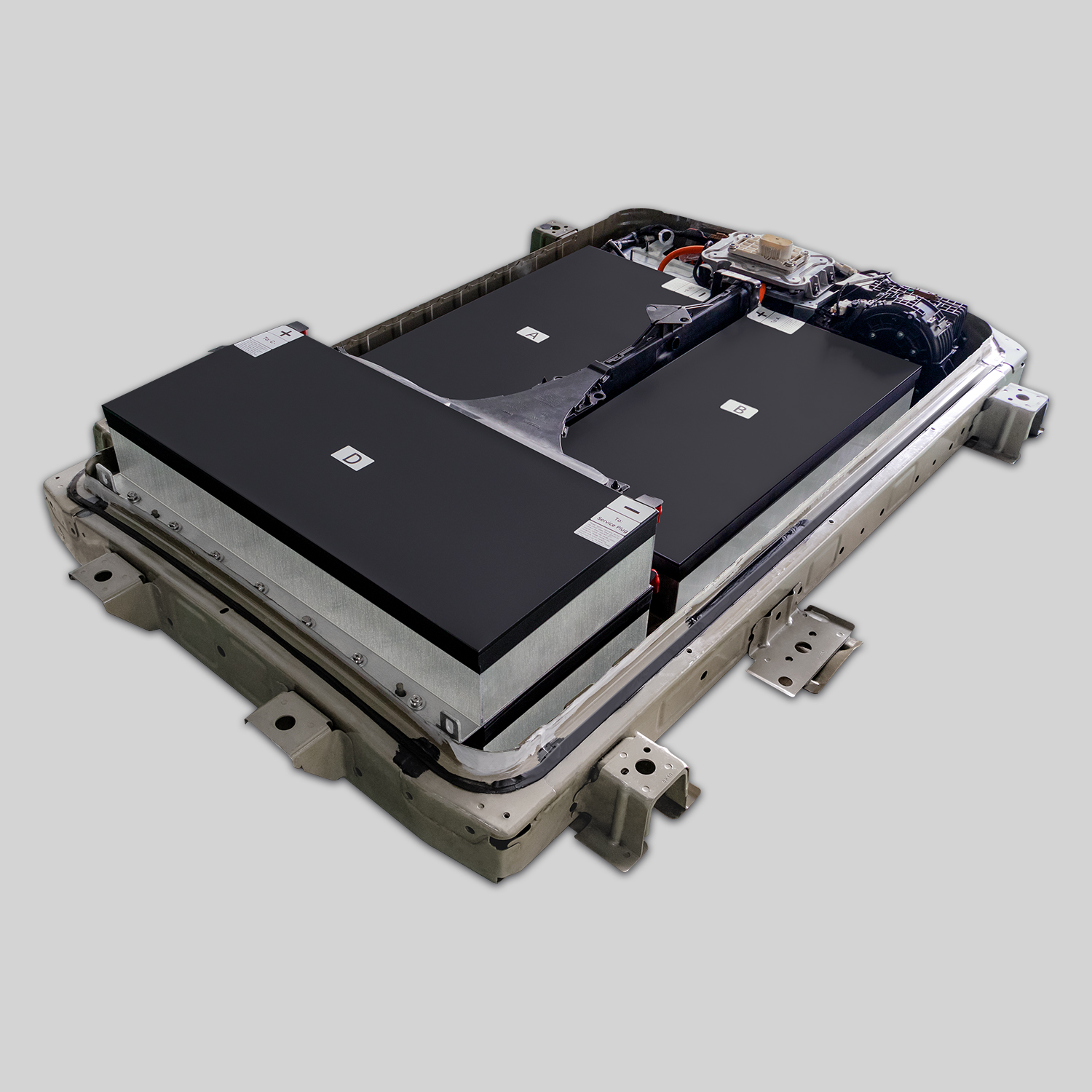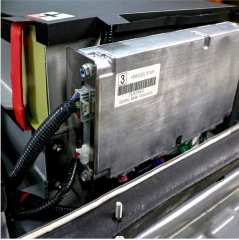
Here is the SEO-optimized article tailored for Nissan Leaf owners, focusing on cell balancing and battery maintenance.
The Ultimate Guide to Balancing Cells in Your Nissan Leaf Battery
Is your Nissan Leaf or e-NV200 struggling with reduced range? If your battery bars are dropping unevenly, you’re likely dealing with an imbalance in your lithium-ion cells. As a Nissan Leaf battery specialist, I understand the frustration of watching your vehicle’s performance degrade. However, the good news is that maintaining a balanced battery pack is the key to unlocking maximum range and longevity.
At CNS BATTERY, we engineer our Nissan Leaf and e-NV200 battery packs with precision to ensure cell-to-cell consistency. However, understanding how to balance cells in a Leaf battery is crucial knowledge for every owner, whether you are using an OEM pack or considering a high-performance replacement.
Why Cell Balancing is the Heartbeat of Your EV
Before diving into the “how,” let’s discuss the “why.” A Nissan Leaf battery is not a single unit; it is composed of multiple modules, which are further broken down into individual lithium-ion cells. For your car to function correctly, these cells must operate in unison.
- The Science of Balance: Cell balancing ensures that all individual cells within the battery pack charge and discharge at the same rate. If one cell is weaker or holds less charge than its neighbors, it creates a bottleneck. This is often referred to as the “weakest link” principle.
- The Consequences of Imbalance: When cells are out of balance, your Battery Management System (BMS) cannot utilize the full capacity of the pack. This results in fewer “bars” showing on your dashboard, reduced driving range, and in severe cases, the dreaded “Limp Mode” where the car restricts power to protect the battery.
Identifying Imbalance in Nissan Leaf and e-NV200 Models
Recognizing the signs of imbalance early can save you from costly repairs down the line. Here are the common symptoms specific to Leaf ZE0, ZE1, and e-NV200 models:
- The “Doughnut” Effect: This is the most common sign. You might see full bars when the battery is charged, but they quickly drop to a lower number (e.g., 12 bars down to 8) and stay there for most of the drive before plummeting again near the end.
- Reduced Usable Capacity: Even after a full charge, the vehicle doesn’t drive as far as it used to.
- Error Codes: While the Leaf dashboard is simple, persistent errors related to the battery or charging system can indicate internal resistance issues caused by imbalance.
How to Balance Cells in a Leaf Battery: Methods and Solutions
Balancing cells in a Leaf battery requires a specific approach. Unlike some DIY electronics, automotive batteries require safety and precision. Here are the primary methods used by professionals:
1. Passive Balancing (The Standard Method)
Most standard Nissan Leaf battery packs, including early models, rely on passive balancing. This method uses resistors to bleed off excess voltage from cells that charge faster than others.
- How it works: During the charging cycle, when the BMS detects that some cells are reaching full voltage while others are lagging, it dissipates the excess energy from the full cells as heat.
- Limitation: This method is slow and inefficient. It works well for minor imbalances but struggles with aged or degraded cells.
2. Active Balancing (The Performance Upgrade)
This is where modern technology, like the systems found in CNS BATTERY packs, makes a significant difference. Active balancing moves energy from higher-charged cells to lower-charged cells.
- The CNS Advantage: Our battery packs utilize advanced BMS algorithms that actively manage the energy flow. This means faster balancing, less heat generation, and the ability to maintain a tighter voltage window across all cells, resulting in a longer usable life.
3. The “Full Cycle” Method (For DIY Enthusiasts)
If you are experiencing mild imbalance in an older pack, a “Full Charge and Full Discharge” cycle can sometimes help the BMS recalibrate.
- Process: Drive the car until the battery is completely depleted (or very low), then charge it to 100% without interruption. Warning: This should be done with caution, as deep discharges can stress old cells. This method forces the BMS to re-read the State of Charge (SOC) of all cells.
Why Choose CNS BATTERY for Your Leaf or e-NV200
When you are looking to solve cell imbalance issues permanently, replacing your degraded pack with a new, high-quality solution is often the most cost-effective route. Here is why thousands of Leaf owners trust CNS BATTERY:
- Factory-Grade Consistency: We utilize brand-new CATL battery cells. Unlike refurbished or recycled cells that come with pre-existing wear and tear (and therefore inherent imbalance), our cells are matched from the factory for optimal performance.
- Intelligent BMS: Our Battery Management Systems are designed specifically for Nissan models (ZE0, ZE1, AZE0) to ensure perfect communication with your vehicle. This eliminates the “guesswork” that often leads to imbalance.
- Unbeatable Warranty: We back our confidence in cell quality and balance with a 2-year / 80,000 km warranty. This is significantly longer than the industry standard for replacement batteries, giving you peace of mind that your investment is protected.
The Cost of Ignoring Imbalance
Ignoring cell imbalance doesn’t just reduce your range; it accelerates the death of your entire battery pack. When cells are out of balance, the weaker cells undergo more stress during every charge and discharge cycle. This leads to:
- Swelling: Physically damaged cells that can compromise the battery casing.
- Thermal Runaway Risk: While rare, severely imbalanced cells can overheat.
- Total Pack Failure: One dead cell can render an entire module useless.
By choosing a CNS BATTERY replacement, you are not just buying a new battery; you are buying a system designed for perfect equilibrium from day one.
Frequently Asked Questions (FAQ)
Q1: Can I manually balance the cells in my Nissan Leaf battery at home?
While there are advanced DIY methods involving external chargers and resistors, it is not recommended for standard owners. Manually balancing high-voltage lithium-ion cells is dangerous and requires specialized lab equipment. The safest method is to use a professional-grade EV charger that supports “Balancing Mode” or to replace the pack with a new, balanced unit like those from CNS BATTERY.
Q2: How often should Nissan Leaf battery cells be balanced?
In a healthy, modern battery pack (like our CNS models), balancing happens automatically during every charge cycle. The BMS is constantly monitoring and adjusting. For older Leaf models with degraded packs, you might need to perform a “recalibration” cycle (driving down to 0% and charging to 100%) every 6-12 months to help the BMS read the cells correctly.
Q3: What is the difference between passive and active cell balancing?
Passive balancing (common in older Leafs) wastes excess energy as heat. It is simple but slow. Active balancing (used in our premium CNS packs) transfers energy from full cells to empty cells. It is more efficient, generates less heat, and extends the overall lifespan of the battery by keeping all cells in a tight voltage window.
Q4: Will a new CNS BATTERY pack fix my range anxiety caused by imbalance?
Absolutely. Because our packs use brand-new, matched cells and an advanced BMS, you will regain the full rated capacity (40kWh, 62kWh, or 68kWh). This eliminates the “phantom drain” and uneven bar drop associated with cell imbalance, restoring your driving range to near-new levels.
Ready to restore your Nissan Leaf’s performance? Don’t let cell imbalance shorten your journeys. Explore our range of OEM-compatible Nissan Leaf and e-NV200 battery solutions designed for perfect balance and maximum range.