🛠️ Your Ultimate Guide to Installing a Reliable Nissan EV Lithium Battery
If you own a Nissan Leaf or e-NV200 and are facing battery degradation, the thought of replacing the EV lithium battery can be daunting. High costs, compatibility issues, and complex installation procedures often hold vehicle owners back from restoring their car’s range and performance.
However, replacing your battery doesn’t have to be a nightmare. With the right reliable Nissan EV lithium battery and a clear guide, you can safely and efficiently complete the upgrade. This comprehensive guide is designed for electric vehicle repair shops and DIY enthusiasts who want to ensure a safe, successful installation using high-quality, OEM-compatible solutions.
⚡ Why Choose a CNS BATTERY for Your Nissan EV?
Before diving into the installation steps, it is crucial to understand what makes a battery “reliable.” At CNS BATTERY, we specialize in providing OEM-compatible Nissan EV batteries that meet original factory standards. Unlike refurbished or low-grade aftermarket packs, our batteries are built with brand-new CATL cells, ensuring superior safety, longevity, and performance.
Key Advantages of Our Nissan EV Batteries:
- OEM Precision Fit: Designed specifically for Nissan Leaf ZE0, AZE0, ZE1, and e-NV200 models.
- Cost Efficiency: Save over 50% compared to original manufacturer prices.
- Longevity & Safety: Utilizing new cells guarantees a lifespan far exceeding refurbished alternatives, with zero risk of hidden defects.
- Comprehensive Warranty: Backed by a 2-year / 80,000km warranty, covering manufacturing defects and capacity retention (minimum 70%).
🔧 Step-by-Step Installation Guide
Installing a Nissan EV lithium battery is a significant task, but it is manageable with the right preparation. Whether you are a professional technician or a confident DIYer, follow these safety-first steps.
1. Preparation and Safety Protocols
Safety is paramount when working with high-voltage systems.
- Disconnect Power: Ensure the vehicle is turned off and the 12V auxiliary battery is disconnected to cut all power flow.
- Personal Protective Equipment (PPE): Wear insulated gloves and safety goggles.
- Workspace: Work in a clean, dry, and well-ventilated area. Ensure you have the necessary tools (wrenches, torque drivers) ready.
2. Removing the Old Battery Pack
Depending on your model (Leaf ZE0, ZE1, or e-NV200), the location and mounting might vary slightly, but the general process is as follows:
- Access the Pack: Remove the underbody covers or access panels.
- Disconnect Cables: Carefully disconnect the high-voltage (HV) cables and low-voltage signal connectors. Take note of the routing to avoid kinks during reinstallation.
- Unbolt Mounts: Loosen and remove the bolts securing the battery to the chassis.
- Extract the Pack: Using a suitable lift or trolley, gently slide the old battery out of the vehicle.
💡 Expert Tip: If you are replacing a degraded battery, handle it with care. Even “dead” batteries can retain charge and should be stored in a safe, non-conductive container.
3. Installing the New CNS BATTERY Pack
This is where the OEM compatibility of CNS batteries shines.
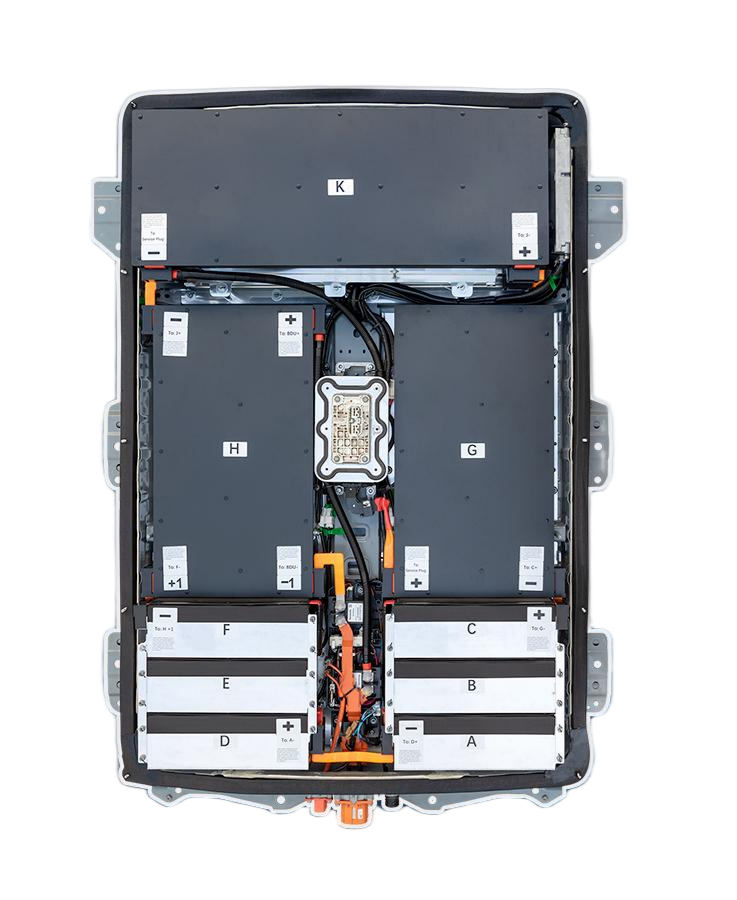
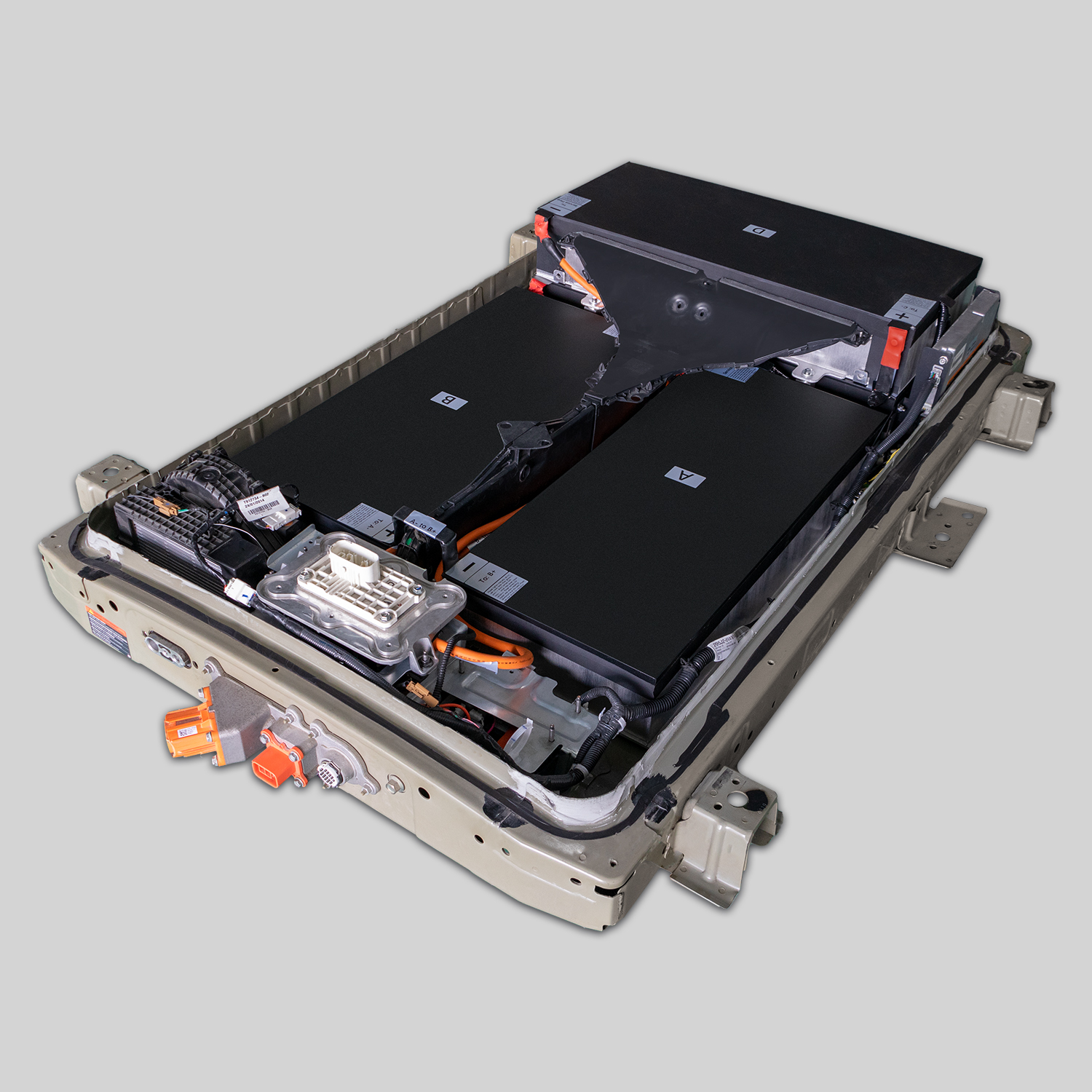
- Positioning: Slide the new Nissan EV lithium battery into place. The mounting points and connector positions are engineered to match the original factory specifications perfectly.
- Secure Mounts: Reinstall the mounting bolts. Ensure they are torqued to the manufacturer’s specifications to prevent vibration damage.
- Reconnect Cables: Reattach the HV cables and signal connectors. The color-coded and keyed connectors minimize the risk of incorrect connection.
4. System Activation and BMS Coding
After physical installation, the battery needs to communicate with the vehicle.
- Power Up: Reconnect the 12V battery.
- System Check: Turn on the ignition. The dashboard should show a full charge or prompt for initialization.
- BMS Programming: In some cases, a simple reset or BMS (Battery Management System) handshake is required. CNS BATTERY provides detailed video tutorials and, if needed, remote video guidance from our technical team to assist with this step.
🛡️ Troubleshooting Common Installation Issues
Even with a perfect fit, minor hiccups can occur. Here is how to handle them:
- “Communication Error” on Dashboard: This usually indicates a loose signal connector. Double-check all low-voltage connections.
- Charging Port Not Opening: Ensure the 12V system is healthy. Sometimes, a weak 12V battery prevents the charging port latch from releasing.
- Needle Swinging During Charge: This can happen if the BMS needs a reset. If you encounter this, contact our support team for a quick remote fix.
📝 Final Recommendations
Installing a reliable Nissan EV lithium battery is the most cost-effective way to extend the life of your electric vehicle. By choosing a CNS BATTERY pack, you are not just buying cells; you are investing in a solution backed by a decade of R&D, rigorous safety testing, and dedicated customer support.
We understand that every repair shop or owner might have specific questions regarding Nissan Leaf battery compatibility or e-NV200 specifications. Our team is ready to provide you with a free compatibility check and personalized installation advice.
Ready to restore your vehicle’s range? Get a free quote for your Nissan EV lithium battery today and experience the difference of a truly reliable powertrain solution.
❓ Frequently Asked Questions (FAQ)
1. Is the installation process different for Leaf ZE0 vs. ZE1 models?
While the core steps (disconnect, unbolt, slide, reconnect) are the same, the physical dimensions and connector layouts differ slightly between the ZE0 (2011-2017) and ZE1 (2018+) models. CNS BATTERY provides model-specific packs, so you must select the correct KWH and model variant (40kWh, 62kWh) to ensure a plug-and-play fit.
2. Do I need special tools or software to install a CNS BATTERY pack?
No, standard automotive tools are sufficient for the physical installation. Regarding software, most CNS batteries are plug-and-play. However, if a BMS reset or coding is required, our customer service team offers remote video guidance to walk you through the software setup without needing to purchase expensive diagnostic tools.
3. What if I encounter a problem during the installation?
CNS BATTERY offers comprehensive pre-sales and after-sales support. If you face technical difficulties, our expert consultants are available via online chat or email. We can provide step-by-step video call support to resolve wiring or programming issues, ensuring you are never left stranded.
4. How long does the entire installation take?
For a professional technician, the installation typically takes 1 to 2 hours. DIY users might take longer, depending on experience. The process is designed to be straightforward, focusing on safety and precision.
5. Can I install this battery myself, or do I need a mechanic?
While it is technically possible for a skilled DIYer to install the battery, we strongly recommend having it done by a certified technician. Working with high-voltage systems carries risks, and a professional ensures the job is done safely and correctly, which may also help preserve warranty validity.