Here is the SEO-optimized article tailored for your requirements.
🛠️ DIY Nissan EV Lithium Battery Installation: A Sustainable Upgrade with Recycled Materials
The electric vehicle (EV) revolution is accelerating, but the high cost of battery replacements remains a significant barrier for many Nissan Leaf and e-NV200 owners. As an industry expert, I often hear the same concerns: “Is it safe to upgrade my battery?” and “Can I really save money while being eco-friendly?” The answer lies in the innovative intersection of DIY Nissan EV lithium battery installation and the utilization of recycled materials.
This guide is designed for the modern EV owner—someone who values technical proficiency, environmental sustainability, and financial prudence. We will explore how upgrading your Nissan Leaf (ZE0, AZE0, ZE1) or e-NV200 battery pack can be a rewarding DIY project that not only extends the life of your vehicle but also contributes to a circular economy by utilizing advanced recycling principles.
🌱 The Green Advantage: Why Recycled Materials Matter in EVs
Before diving into the wrench work, it is crucial to understand the “why” behind the materials. Traditional EV battery production relies heavily on mining raw materials like lithium, cobalt, and nickel. While essential, this process has environmental footprints.
By focusing on recycled materials, we are not just disposing of old batteries; we are reclaiming the valuable “black mass” from end-of-life cells. Modern recycling technologies allow manufacturers to recover up to 95% of these critical minerals. When you install a new lithium pack sourced from recycled materials, you are:
- Reducing Mining Demand: Significantly lowering the need for new raw material extraction.
- Lowering Carbon Footprint: Recycling processes generally consume less energy than primary production.
- Closing the Loop: Transforming waste into high-performance power sources, embodying the true spirit of sustainability.
This eco-conscious approach ensures that your DIY project has a positive impact long after you turn the key.
🔋 The DIY Nissan EV Lithium Battery Installation Process
Installing a lithium battery in a Nissan vehicle is no longer a task reserved solely for dealerships. With the right preparation, it is a feasible weekend project. Here is a step-by-step breakdown of what a successful DIY Nissan EV lithium battery installation entails.
1. Pre-Installation: Safety and Compatibility
Safety is paramount. Before you begin, ensure you have insulated gloves and tools. The first step is verifying compatibility.
- VIN Check: Every Nissan Leaf generation (ZE0, AZE0, ZE1) has specific voltage and communication protocols. Using a battery that does not match your Vehicle Identification Number (VIN) can lead to BMS (Battery Management System) errors.
- Toolkit: Most installations require standard socket sets. Reputable suppliers often provide a free toolkit, including terminal cleaners to ensure a perfect electrical connection.
2. Removal of the Old Pack
This is where the concept of “recycled materials” comes full circle. As you remove your degraded battery, consider that these old cells can be sent to recycling facilities to become the raw materials for future batteries.
- Drain Coolant: For thermal management.
- Disconnect HV: Always isolate the high-voltage system first.
- Unbolt: The physical removal is usually straightforward, involving unbolting the undercarriage shield and the battery mounting points.
3. Installing the New Recycled Lithium Pack
This is the heart of the upgrade.
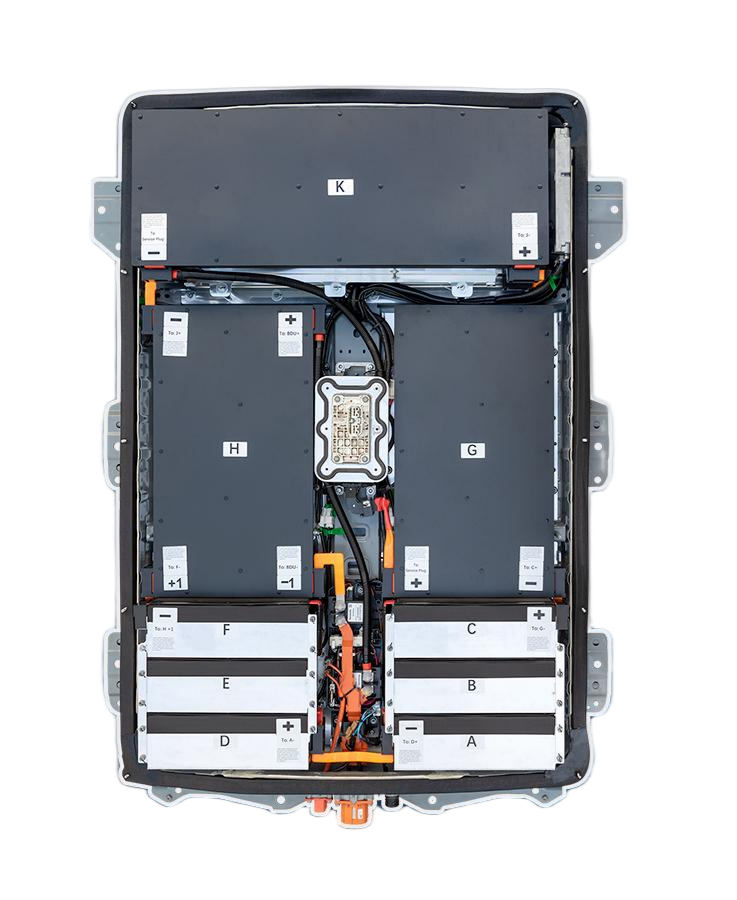
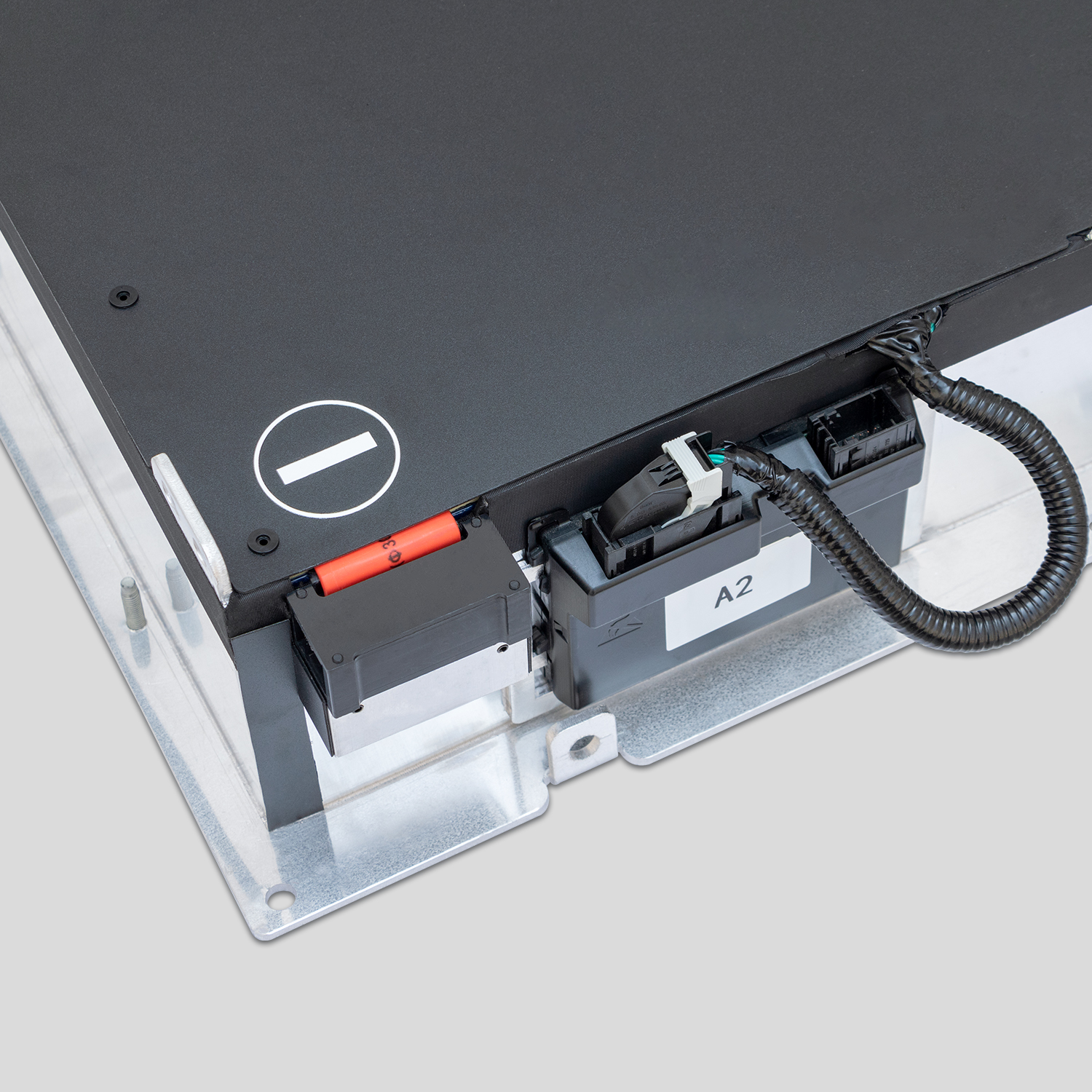
- Plug-and-Play Design: Modern replacement packs, especially those designed for Nissan models, often feature OEM-standard connectors. This means no wire splicing—simply align the new pack and bolt it in.
- Seamless Integration: Because these batteries are built to OEM specifications, the wiring harnesses and mounting brackets match perfectly, eliminating the need for modifications.
4. BMS Coding and Activation
One of the most critical steps in a DIY Nissan EV lithium battery installation is the software handshake.
- Programming: The new battery’s BMS must be programmed to communicate with your car’s dashboard. This ensures accurate State of Charge (SOC) readings and range estimates.
- Support: If you encounter issues, look for suppliers that offer remote video guidance. A technician can walk you through the coding process in real-time, ensuring your “recycled materials” investment functions flawlessly.
⚡ Performance and Value: The Upgrade Equation
Why go through the effort of a DIY install? The benefits are substantial, particularly when utilizing advanced battery technology often derived from recycled sources.
| Feature | Refurbished/Recycled Upgrade | Standard OEM Replacement |
|---|---|---|
| Cost | 50%+ Savings | Very High |
| Range | Upgraded Options Available (e.g., 62kWh) | Original Factory Specs |
| Warranty | Competitive (e.g., 2 Years / 80,000km) | Standard Factory Warranty |
| Eco-Impact | High (Closed-loop recycling) | Standard Production Footprint |
By choosing a DIY path with a supplier that prioritizes quality control on recycled or new cells, you are not just fixing a car; you are upgrading it. Many owners report “reviving” their cars with increased capacity—going from a 30kWh or 40kWh pack to a 62kWh unit, effectively doubling their range.
💡 Expert Tips for a Successful Project
As a professional in the field, here are my top tips for anyone attempting this:
- Don’t Skip the Video: Before you crawl under the car, watch the full installation video provided by the battery manufacturer. It will show you the exact sequence and any model-year quirks.
- Torque Settings: When bolting the new pack, use the correct torque settings. Over-tightening can damage the battery casing or chassis threads.
- First Charge: Perform the first charge slowly and monitor the cell voltages if your BMS app allows it. This ensures all “recycled materials” are balancing correctly.
❓ Frequently Asked Questions (FAQ)
Q1: Is it safe to use recycled materials in a high-voltage system like a Nissan Leaf?
A: Absolutely. “Recycled materials” in this context refer to the raw minerals (lithium, nickel, cobalt) being reclaimed and used to manufacture brand-new, high-quality battery cells. These new cells undergo the same rigorous safety testing as OEM cells. We are not simply reusing old, degraded batteries.
Q2: How long does a DIY Nissan EV lithium battery installation take?
A: For a confident DIYer with basic tools, the physical installation typically takes 1 to 2 hours. This includes removing the old pack and bolting in the new one. If you are doing this for the first time, or if your bolts are rusted, budgeting a full afternoon is wise. The BMS coding usually takes less than 30 minutes with the right software.
Q3: Will a DIY installation void my car’s warranty?
A: While the installation itself is mechanical and electrical, the key factor is the quality of the battery. Using a high-quality pack with proper OEM compatibility (voltage, CAN bus communication) should not damage your vehicle. However, it is always recommended to check local regulations. Reputable manufacturers provide compatibility assessments based on your VIN to ensure a seamless fit that won’t cause electrical conflicts.
Q4: What if I run into trouble during the installation?
A: The beauty of modern support is connectivity. Look for suppliers that offer remote video guidance. If you get stuck on a wiring connection or the BMS programming, an expert can guide you through it via video call, turning a potential headache into a simple learning moment.
🚀 Ready to Revive Your Nissan?
Embarking on a DIY Nissan EV lithium battery installation is a powerful way to extend the life of your vehicle, save thousands of dollars compared to dealer prices, and support a sustainable future through the use of recycled materials.
If you are ready to take the next step, ensure you have the correct specifications for your model. Whether you drive a Leaf ZE0, AZE0, ZE1, or an e-NV200, getting a personalized quote is the first move toward a zero-emission, long-range future.
Get Your Custom Quote Today and Start Your Sustainable Upgrade: Contact CNS BATTERY Experts