Here is the SEO-optimized article tailored for the Nissan EV audience, focusing on safety and comparison.
Best Nissan EV Battery Pack High Safety Rating vs Dala
When your Nissan Leaf or e-NV200 needs a new heart, the decision goes far beyond just finding a box of cells. For drivers prioritizing longevity, safety, and reliability, the choice often narrows down to two distinct paths: sourcing a premium, engineered solution or opting for a generic alternative.
While “Dala” batteries (often referring to generic or unbranded battery cells or packs) might appear as a budget-friendly option on the surface, they carry significant hidden risks. In this guide, we will dissect the critical differences between a Best Nissan EV Battery Pack built with a high safety rating and the generic market, specifically focusing on why cutting corners is dangerous for your vehicle.
⚡ The Hidden Cost of Generic “Dala” Batteries
The term “Dala” in the EV battery market often represents a commoditized cell or a refurbished pack assembled without stringent OEM (Original Equipment Manufacturer) standards. While the price tag might be tempting, the reality for Nissan owners is often a nightmare.
Why Generic Packs Fail:
- Unpredictable Chemistry: Generic cells often lack the specific thermal management profiles required by the Nissan BMS (Battery Management System). This mismatch leads to overheating and thermal runaway.
- No Quality Control: Unlike OEM standards, generic packs rarely undergo cycle testing or environmental stress screening.
- The “Refurbished” Trap: Many low-cost alternatives are made from salvaged “jellyroll” cells. These cells have already endured years of chemical stress, leading to rapid capacity fade and potential swelling.
Expert Insight: At CNS Battery, we see countless Nissan owners who initially saved money on a generic pack, only to face a second replacement within 6-12 months. The real cost isn’t the sticker price; it’s the labor, downtime, and potential damage to your car’s electronics.
🛡️ What Defines a “High Safety Rating” for Nissan EVs?
Safety isn’t just a marketing slogan; it is a structural requirement for Lithium-ion batteries. A Best Nissan EV Battery Pack must meet specific engineering benchmarks to ensure it doesn’t become a fire hazard or a performance liability.
1. Cell Source & Chemistry
The core of any battery is the cell. For Nissan compatibility, the gold standard is utilizing Brand-New CATL (Contemporary Amperex Technology Co. Limited) cells.
- Why CATL? CATL is a global leader in battery technology, known for its superior thermal stability and energy density.
- The Difference: Brand-new CATL cells are manufactured in a controlled environment with strict ISO standards. They are not recycled or repurposed. This ensures a uniform chemical structure, preventing hot spots and internal short circuits that plague mixed or used cells found in generic “Dala” alternatives.
2. BMS (Battery Management System) Compatibility
The BMS is the brain of your Nissan’s battery. A high-safety pack must communicate flawlessly with the vehicle’s existing software.
- OEM Protocol: A premium pack uses a BMS programmed to Nissan’s exact voltage curves and resistance values.
- Protection: This prevents overcharging, over-discharging, and overheating. Generic packs often use “universal” BMS units that guess the parameters, leading to inaccurate State of Charge (SOC) readings and potential battery death.
3. Structural Integrity & Thermal Management
Nissan Leafs and e-NV200s operate in diverse climates. A high-safety rating means the pack is designed to handle this.
- Thermal Padding: Premium packs use high-grade insulation and thermal pads to manage heat distribution.
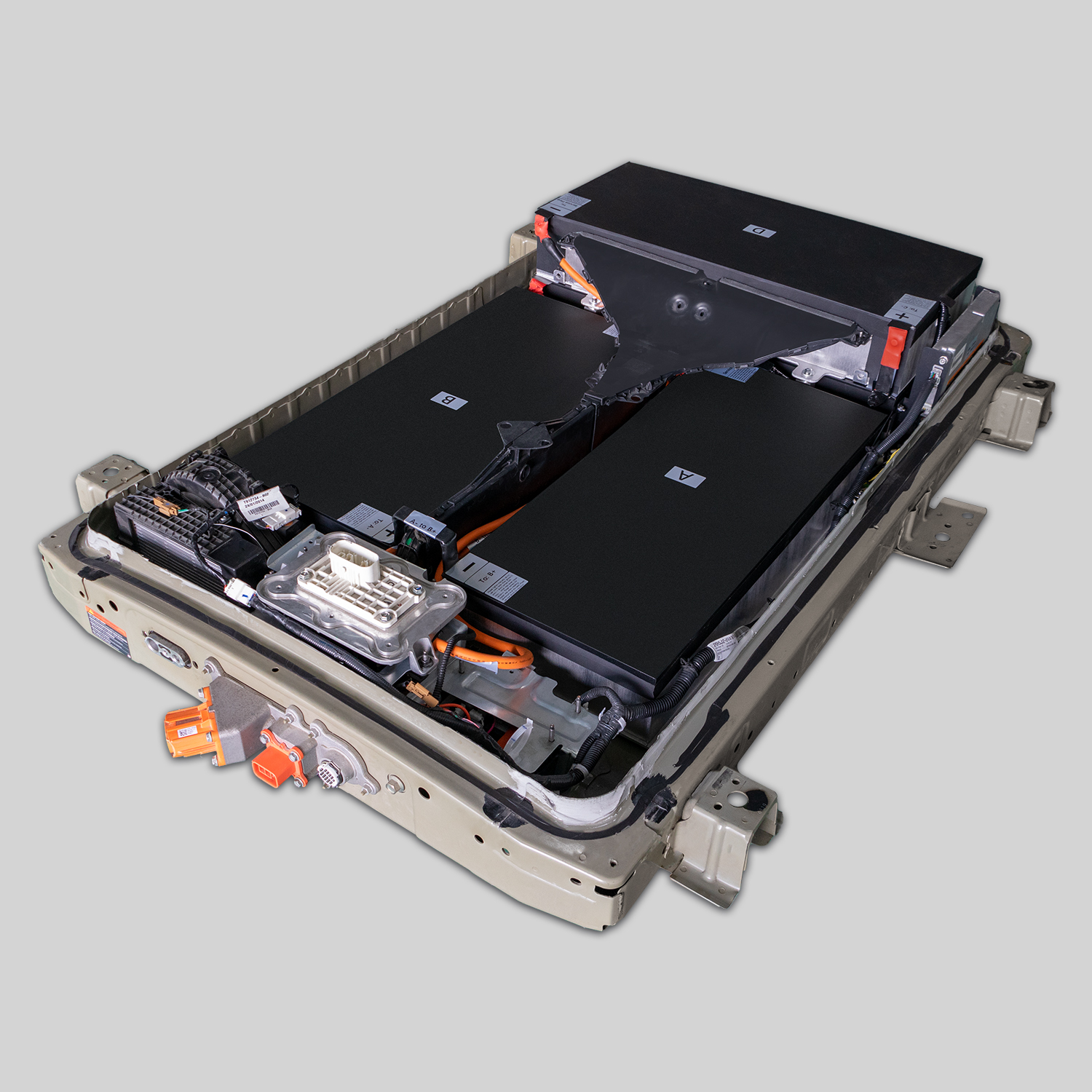
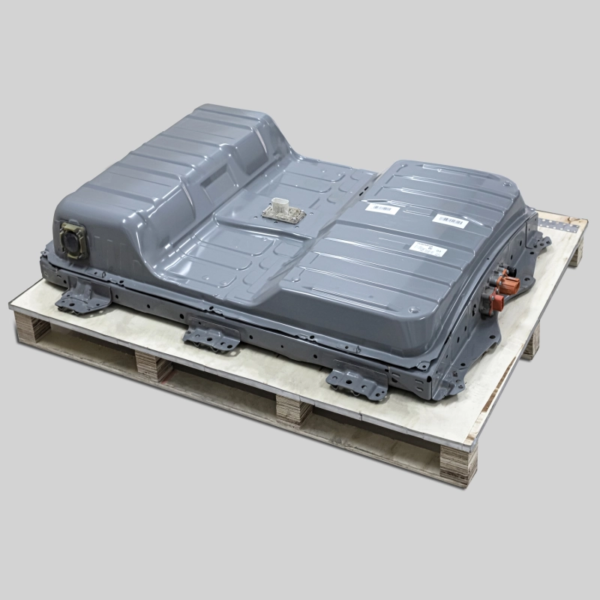
- Robust Housing: The mechanical design must match the OEM footprint to ensure the cooling channels (if applicable) and structural mounts are secure. A loose or poorly insulated pack is a safety hazard.
📊 Head-to-Head: Premium Safety vs. Generic Risk
To visualize the stark contrast between a premium solution and a generic “Dala” style pack, let’s compare them directly.
| Feature | Best Nissan EV Battery Pack (High Safety) | Generic “Dala” / Refurbished Pack |
|---|---|---|
| Cell Origin | Brand-New CATL (Fresh production, zero cycle history) | Salvaged/Mixed (Unknown origin, often degraded) |
| Warranty | 2 Years / 80,000 km (Comprehensive coverage) | 3-6 Months (Limited or no warranty) |
| Safety Rating | High (UL/CE Certified processes, BMS protection) | Low (Risk of swelling, fire, or BMS incompatibility) |
| Performance | Stable Range (Matches advertised KWh) | Rapid Degradation (Range drops within weeks) |
| Price Value | 50% Lower than OEM, but double the quality of generic | Initially Cheap, but requires frequent re-purchase |
🏆 Why CNS Battery is the “Best Nissan EV Battery Pack” Choice
At CNS Battery, we don’t just sell batteries; we engineer reliability. We understand that Nissan owners need a solution that matches the factory standard without the dealership markup.
✅ 100% Brand-New CATL Cells
We refuse to use recycled or repurposed cells. Every pack leaving our facility in Zhengzhou, China, is built with fresh, high-density CATL prismatic cells. This guarantees the high safety rating you need, as these cells have predictable expansion rates and thermal behavior.
✅ OEM-Level R&D
Our engineering team has spent over a decade reverse-engineering the Nissan EV powertrain. We don’t guess the voltage curves; we replicate them. This ensures that when you plug in our 40kWh, 50kWh, or 62kWh pack, your Nissan Leaf or e-NV200 communicates with it as if it were the original factory unit.
✅ Unbeatable Warranty
We back our confidence with a 2-Year / 80,000 km warranty. This is significantly longer than the industry standard for replacement packs and far exceeds the coverage offered on generic “Dala” alternatives. We cover defects in materials and workmanship, as well as performance degradation (ensuring your pack maintains at least 70% capacity).
✅ Cost Efficiency
Why pay 100% for a Nissan OEM replacement when you can get a superior, brand-new solution for 50% less? Our mission is to make EV ownership accessible without compromising on the safety that protects you and your family.
🚗 Compatible Models: Finding Your Perfect Fit
Whether you drive an early-generation hatchback or a modern utility van, we have a solution engineered for your specific chassis code.
- Nissan Leaf ZE0 (2011-2015): Revive your classic Leaf with a 40kWh or upgrade to a 62kWh for a massive range boost.
- Nissan Leaf AZE0 (2015-2018): Maintain factory specifications with our precision-fit packs.
- Nissan Leaf ZE1 (2018+): Keep up with modern demands using our high-density 62kWh modules.
- Nissan e-NV200: Perfect for fleet operators and families, our 40kWh and 50kWh packs ensure your van is ready for the workday.
Before you order, we offer a Free VIN Compatibility Check. Our technical experts will verify that the pack matches your specific Vehicle Identification Number to guarantee a plug-and-play installation with zero modifications.
🛠️ The Installation & Support Promise
Replacing a battery can be daunting, but it doesn’t have to be. We provide comprehensive support to ensure your transition is smooth:
- Step-by-Step Guides: We provide high-definition video tutorials and PDF manuals for every model.
- Remote Programming Help: If you encounter a BMS coding issue, our engineers offer remote video guidance to walk you through the software handshake.
- Global Shipping: We handle the logistics, including DDP (Delivered Duty Paid) services to most countries, so you don’t have to worry about customs.
❓ Frequently Asked Questions (FAQ)
Q1: Why are “Dala” batteries considered unsafe for Nissan Leafs?
Generic or “Dala” batteries often use mismatched or recycled cells. Nissan Leafs have a specific BMS that monitors individual module voltages. If the cells have different internal resistances (common in mixed batches), the BMS can get confused, leading to overcharging of weaker cells. This causes swelling, heat, and in worst cases, fire. A high-safety pack uses uniform, brand-new cells to prevent this.
Q2: How do I know if a battery pack uses new CATL cells?
Reputable manufacturers like CNS Battery provide transparency. We explicitly state that we use Brand-New CATL cells. You can verify this by requesting the Manufacturer’s datasheet or looking for the CATL branding on the cell casing in product photos. Generic sellers often cannot provide specific cell brand information.
Q3: What is the lifespan of a Best Nissan EV Battery Pack compared to a generic one?
A premium pack using new CATL cells can last 8-10 years or more under normal conditions, retaining over 70% capacity. Generic packs, especially those using salvaged “Dala” style cells, often degrade to unusable levels within 1-2 years due to pre-existing wear and poor thermal management.
Q4: Is it really cheaper to buy a premium pack than go to a Nissan dealership?
Yes. Dealership replacements can cost upwards of $12,000 to $16,000. Our premium packs offer the same quality (brand-new cells, OEM compatibility) for roughly 50% of that price, plus we include a 2-year warranty that often exceeds the coverage offered by dealerships on third-party replacements.
Q5: Can I install this myself, or do I need a mechanic?
While professional installation is recommended, many of our customers are DIY enthusiasts. We provide detailed video tutorials and remote support. The process is generally “plug-and-play,” but it requires high-voltage safety precautions. If you are not confident, we can assist you in finding a qualified technician.
Ready to upgrade your Nissan with the safest, most reliable battery solution on the market? Stop gambling with generic alternatives and choose the proven quality of a CNS Battery pack.