
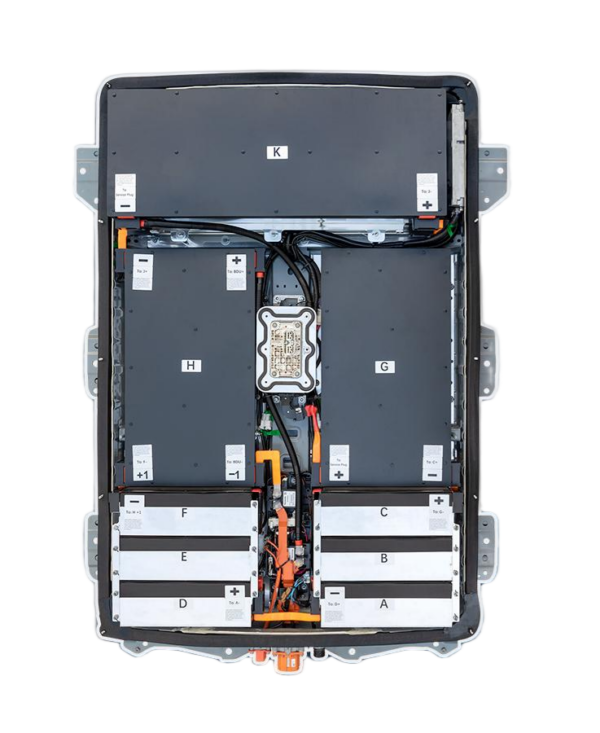
Here is the SEO-optimized article tailored for electric vehicle repair professionals and DIY enthusiasts looking for a safe Leaf Plus battery upgrade.
🔋 The Ultimate Guide to Installing a Safe Leaf Plus Power Battery
If you’re reading this, you likely own a Nissan Leaf or are a professional in the EV repair industry. You understand the frustration of battery degradation. The original 24kWh or 40kWh packs in older Leaf models (ZE0, AZE0) simply don’t offer the range needed for modern commuting. The solution? Upgrading to a Leaf Plus power battery.
But here is the critical question: How do you install a larger capacity battery safely without voiding your vehicle’s compatibility or risking electrical faults?
At CNS BATTERY, we have spent over a decade refining the art of EV powertrain customization. We don’t just sell lithium-ion packs; we engineer Original Equipment Manufacturer (OEM) compatible solutions that integrate seamlessly with the Nissan Leaf’s Battery Management System (BMS). This guide will walk you through the process of selecting and installing a safe, high-capacity battery upgrade.
🛠️ Why “Safe” Installation Starts with the Right Battery Chemistry
Before you even pick up a wrench, the safety of your upgrade is determined by the battery cells and the BMS programming.
Many low-cost aftermarket batteries on the market use recycled or mixed-grade cells. This is a gamble. Mismatched cells lead to thermal runaway risks and BMS errors.
Our Solution:
We utilize brand-new, Grade-A CATL (Contemporary Amperex Technology Co. Limited) battery cells. CATL is the world’s largest lithium-ion battery manufacturer, and their cells are the gold standard for stability and longevity.
- Chemistry: Our packs utilize high-stability Lithium Iron Phosphate (LFP) or Nickel Manganese Cobalt (NMC) chemistries, depending on the specific model requirements.
- Safety: Every pack is equipped with a Smart BMS that monitors individual cell voltages in real-time, preventing overcharging and deep discharging.
Pro Tip: When upgrading to a “Leaf Plus” capacity (typically 62kWh or higher), ensure the BMS is pre-coded for your specific Leaf model (ZE0, ZE1, or AZE0). A mismatch here is the #1 cause of installation failure.
📋 Step-by-Step: Installing Your Nissan Leaf Plus Battery
Installing a Leaf Plus power battery is generally a “Plug-and-Play” process, but precision is key. Here is our recommended procedure for a safe installation.
1. Pre-Installation: The VIN Compatibility Check
Do not skip this step. Nissan Leafs have specific wiring harness layouts depending on the year and region (Japan, US, EU).
- Action: Before purchasing, upload your Vehicle Identification Number (VIN) to our support team.
- Result: We verify the exact connector types, harness length, and BMS coding required for your vehicle. This ensures the new high-capacity pack fits perfectly without any “Frankenstein” wiring modifications.
2. Disassembly of the Old Battery
- Safety First: Always wear insulated gloves and safety glasses. Disconnect the 12V auxiliary battery first to cut power to the BMS.
- Process: Jack up the vehicle and remove the underbody panels. Disconnect the high-voltage (HV) cables from the old pack. The old battery pack is heavy; use a proper transmission jack or lift.
- Note: If your old battery is swollen or damaged, handle it with extreme care and dispose of it at a certified recycling center.
3. Installing the New High-Capacity Pack
This is where our OEM-standard design shines.
- Fitment: Our Leaf Plus batteries are designed to match the OEM dimensions. They bolt directly into the existing chassis mounting points.
- Connection: Connect the HV cables (Positive and Negative). Our packs use the same gauge and connector types as the original factory, ensuring zero resistance issues.
- Signal Wires: Connect the CAN bus signal wires to the BMS. This is the “nervous system” link that tells your car the state of charge.
4. BMS Coding & System Integration
This is the most crucial step for a “Safe” label.
- Coding: Our batteries come with pre-flashed firmware. However, some Leaf models may require a simple handshake protocol.
- Verification: Once connected, power on the vehicle. The dashboard should show 12 bars (for a 62kWh equivalent). Use an OBD2 scanner to check for any “Communication Lost” errors.
📊 Why Choose a CNS Leaf Plus Battery Over Others?
Not all high-capacity batteries are created equal. Here is how we ensure safety and reliability where others cut corners.
| Feature | CNS Leaf Plus Battery | Generic/Refurbished Batteries |
|---|---|---|
| Cell Quality | Brand New CATL Cells (Zero cycle count) | Recycled/Scrapped Cells (Aged, inconsistent health) |
| Warranty | 2 Years / 80,000 km | Often < 1 Year or None |
| Safety | Smart BMS with Thermal Protection | Basic BMS, prone to overheating |
| Installation | VIN-Verified Plug-and-Play | Often requires custom wiring |
| Price | ~50% of OEM Cost | Cheap upfront, expensive in repairs |
🤝 The CNS BATTERY Advantage: Peace of Mind
We understand that installing a $7,000+ component into your vehicle is a high-stakes decision. That is why we go beyond just selling hardware.
- Free Installation Support: If you get stuck during the wiring process, our engineering team offers video call guidance. We don’t just send a manual and leave you hanging.
- Lifetime Technical Support: Even after the warranty, our experts are available to answer questions about winter charging optimization or maintenance.
- Global DDP Shipping: We handle the complex logistics of shipping lithium batteries (UN 3480/3481) safely to your door, including customs clearance.
❓ Frequently Asked Questions (FAQ)
Q1: Will installing a Leaf Plus battery void my car’s warranty?
A: Generally, modifying the high-voltage system can affect the manufacturer’s warranty. However, our batteries are designed to mimic OEM voltage and communication protocols perfectly. We recommend consulting your specific dealership policy, but our goal is to make the upgrade invisible to the car’s systems.
Q2: How long does the installation take?
A: For a professional technician, the physical swap usually takes 1 to 2 hours. For a DIY enthusiast, it may take 3-4 hours, especially if you are doing your first battery swap. We provide detailed video tutorials to guide you through every bolt.
Q3: Are these batteries safe for cold climates?
A: Yes. Our BMS includes thermal management protocols. However, like all lithium batteries, range will decrease in extreme cold. We recommend parking in a garage if possible and using the preconditioning feature while the car is still plugged in to warm the battery before driving.
Q4: What payment methods do you accept?
A: We offer secure payment options including T/T bank transfer and major credit cards. For large repair shop orders, we can discuss customized payment terms.
Ready to revive your Nissan Leaf with a safe, high-capacity upgrade?
Don’t gamble with your EV’s safety. Get a free, personalized quote for your specific vehicle model today.

