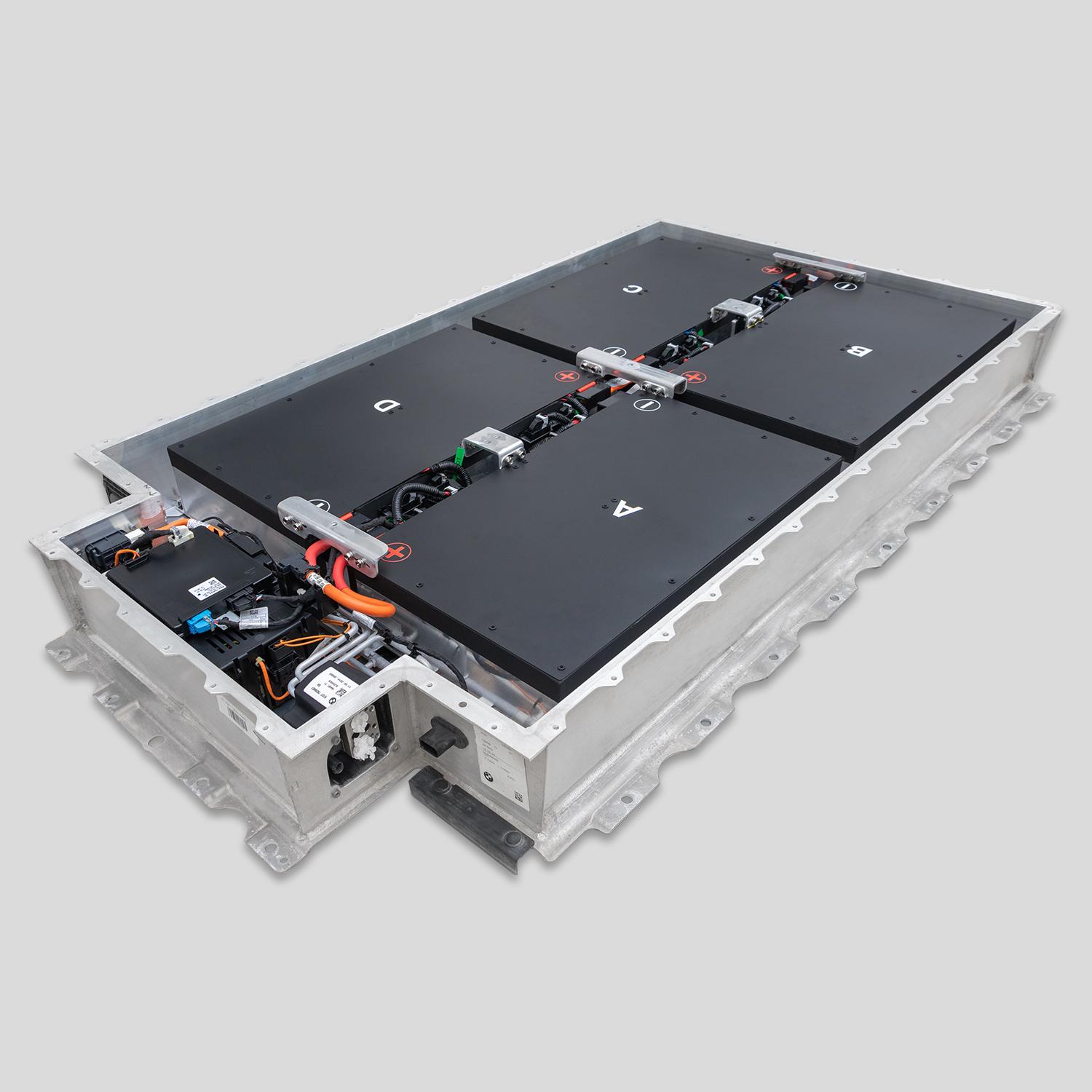
Here is the SEO-optimized article tailored for DIY enthusiasts looking to upgrade their Nissan Leaf.
⚡ Mastering the DIY Leaf Plus Battery Upgrade: A Comprehensive Guide
The Nissan Leaf has become a staple in the electric vehicle (EV) market, but range anxiety remains a significant hurdle for many owners. If you are reading this, you are likely a dedicated Leaf owner or a passionate DIYer looking to breathe new life into your vehicle. You are not alone; thousands of enthusiasts are turning to battery upgrades to reclaim the driving range their cars once had.
At CNS BATTERY, we understand the unique satisfaction that comes from completing a complex automotive project yourself. We are experts in providing high-performance, OEM-compatible battery solutions, specifically designed for Nissan and BMW models. Our goal is to empower you with the knowledge and the right tools to successfully install a “Leaf Plus” style battery upgrade.
This guide is designed to walk you through the process logically, ensuring your DIY project is safe, successful, and rewarding.
🤔 Why Upgrade to a “Leaf Plus” Battery?
Before we dive into the installation, let’s clarify what a “Leaf Plus” upgrade typically means in the DIY community.
Essentially, you are replacing your older, lower-capacity Leaf battery pack (such as the 24kWh or 30kWh models) with a higher-capacity module or pack (often a 40kWh, 62kWh, or even a custom high-density pack). The “Leaf Plus” concept refers to achieving the performance and range levels of the newer Nissan Leaf Plus models without buying a new car.
Why do owners choose this path?
- Cost Efficiency: Upgrading your existing battery is significantly cheaper than purchasing a brand-new EV.
- Sustainability: It is the ultimate form of recycling, extending the life of your vehicle and reducing electronic waste.
- Performance: You regain the long-range capability, making your Leaf suitable for highway driving and longer commutes once again.
📦 Pre-Installation: Preparation is Key
A successful installation starts long before you pick up a wrench. Proper preparation ensures you have the right parts and a safe workspace.
1. Verify Compatibility
Not all Nissan Leaf batteries are physically or electronically compatible. Before purchasing, you must confirm the specific model year and chassis code (e.g., ZE0, ZE1, AZE0) of your vehicle. At CNS BATTERY, our experts can verify if a specific high-capacity pack will fit your chassis without requiring major modifications to the battery tray or cooling lines.
2. Gather Your Toolkit
While the installation is designed to be “plug-and-play,” you will need specific equipment:
- Lifting Equipment: A hydraulic jack and sturdy jack stands, or a car lift.
- Insulated Tools: High-voltage insulated wrenches and screwdrivers (rated for at least 1000V).
- PPE (Personal Protective Equipment): Rubber insulated gloves, safety glasses, and non-conductive footwear.
- Diagnostic Tools: An OBD2 scanner capable of reading Nissan EV protocols to reset error codes post-installation.
3. Safety First: Disconnect the Power
This is the most critical step. You must disconnect the vehicle’s 12V auxiliary battery to ensure no high-voltage systems are active. Wait at least 10 minutes after disconnecting to allow the capacitors in the inverter to discharge.
🔧 The Installation Process: Step-by-Step
Once your workspace is ready and the car is safely lifted, you can begin the physical installation.
Step 1: Removing the Old Battery
The Nissan Leaf battery is located under the floor of the vehicle.
- Access: Remove the underbody covers to expose the battery casing bolts.
- Disconnection: Carefully disconnect the high-voltage (HV) cables and the low-voltage communication harnesses. Note: Do not force any connectors; they usually have safety locks that need to be released first.
- Removal: Using a transmission jack or a specialized EV battery lift, carefully unbolt the battery from the chassis and lower it. Be mindful of the weight distribution.
Step 2: Preparing the New “Leaf Plus” Pack
If you are using a brand-new or refurbished high-capacity pack from a reputable supplier like CNS BATTERY, inspect the casing for any damage. Ensure all rubber seals are intact to prevent water ingress.
Step 3: Installing the New Battery
- Lift and Align: Carefully lift the new battery into the chassis. Because we design our packs to OEM standards, the mounting points should align perfectly with the original suspension and chassis rails.
- Reconnection: Reconnect the low-voltage harnesses first, followed by the high-voltage cables. Ensure all torque specifications are met to prevent arcing or overheating.
- Sealing: Replace the underbody covers and seals to maintain the vehicle’s aerodynamics and water resistance.
💻 Post-Installation: Coding and Testing
Physically bolting in the battery is only half the battle. The car’s Battery Management System (BMS) needs to recognize the new hardware.
1. BMS Programming
This is where many DIYers encounter challenges. The new battery’s BMS often needs to be programmed to communicate with the car’s Vehicle Control Unit (VCU).
- You may need to access the BMS via a CAN adapter.
- Update the SOC (State of Charge) parameters to match the new battery’s capacity.
- Expert Tip: If you purchased your battery from CNS, we provide detailed technical support and, in some cases, pre-programmed BMS units to make this step seamless.
2. The First Test
- Reconnect the 12V battery.
- Turn on the ignition (do not drive yet).
- Check the dashboard for error codes. A successful installation should show a full charge bar (or the correct SOC) without “Check EV System” warnings.
- Take the car for a slow, short drive to verify the regenerative braking and acceleration are functioning correctly.
📝 Why Choose a Professional-Grade DIY Kit?
While the idea of a DIY upgrade is exciting, the quality of the battery cells you install is paramount. This is where sourcing your pack from a professional manufacturer makes all the difference.
When you upgrade with a CNS BATTERY solution, you are not just buying cells; you are buying peace of mind.
- Brand New Cells: We utilize brand-new, top-tier cells from manufacturers like CATL. This ensures maximum cycle life and safety, unlike recycled or salvaged cells that may fail prematurely.
- OEM Precision: Our packs are engineered to fit the Nissan Leaf chassis perfectly, eliminating the need for “hacky” modifications to the mounting points or cooling system.
- Longevity: We design our batteries for durability, ensuring they last for hundreds of thousands of kilometers.
Expert Insight: A common mistake in the DIY community is underestimating the BMS configuration. Always ensure your supplier provides full technical documentation or support for the specific Leaf model you own.
🛠️ Troubleshooting Common DIY Issues
Even with the best preparation, issues can arise. Here are the most common problems and how to fix them:
| Issue | Likely Cause | Solution |
|---|---|---|
| “Check EV System” Light | BMS Communication Error | Check the LV harness connection. You may need to reprogram the BMS software. |
| Low Range Reading | SOC Calibration | The car may still think it has an old battery. A full charge/discharge cycle or a software reset may be needed. |
| High Voltage Not Ready | Contactor/Stick Issue | Ensure the main contactors in the battery pack are closing. Check the pre-charge circuit. |
📋 Conclusion: Reclaim Your Range
Installing a “Leaf Plus” battery upgrade is a challenging but incredibly rewarding project. It transforms an aging EV into a viable daily driver once again. By following this guide and prioritizing safety, you can save thousands of dollars compared to buying a new car while drastically reducing your carbon footprint.
Remember, the key to success lies in using high-quality, compatible components. CNS BATTERY is dedicated to supporting the DIY community with reliable, OEM-standard battery packs and expert technical advice.
Ready to start your upgrade journey? Contact our technical experts today for a free quote and ensure you have the right battery for your Nissan Leaf.
Get Your Free Custom Quote Now
❓ Frequently Asked Questions (FAQ)
Q1: Can I really install a Leaf Plus battery by myself?
Yes, absolutely. If you are mechanically inclined and comfortable working with high-voltage systems, it is possible. The process is largely mechanical (bolting and plugging). However, the BMS programming aspect often requires technical know-how or the help of a local mechanic if you are not comfortable with software.
Q2: What is the difference between a DIY battery kit and a professional replacement?
A DIY kit usually involves purchasing the battery pack directly from the manufacturer and installing it yourself. A professional replacement involves a shop doing the labor. The DIY route can save you thousands in labor costs, but you assume the responsibility for the installation quality.
Q3: How much does a Leaf Plus battery upgrade cost?
Costs vary depending on the capacity (kWh) and whether you buy new or refurbished cells. Generally, expect to pay between $5,000 and $10,000 for a high-quality new cell upgrade, which is roughly 50% of the cost of a new Leaf battery from a dealership.
Q4: Will upgrading my battery void my car’s warranty?
Since the Nissan Leaf is no longer under the standard new car warranty for most owners, this is usually not a concern. However, modifying the battery pack technically alters the vehicle. We recommend consulting with your specific insurance provider regarding modifications.
Q5: How long does the installation take?
For a professional technician, it typically takes 1-2 hours. For a DIYer, depending on your experience and tools, it can take anywhere from 3 to 6 hours, including the time needed for testing and software configuration.