Here is the SEO-optimized article tailored for Nissan Leaf and e-NV200 owners facing battery degradation, specifically comparing replacement options with a focus on performance and value.
Title: Nissan Leaf Battery vs AESC: Upgrade to New CATL Cells for Maximum Range & Value
Description: Struggling with range anxiety? Compare your Nissan Leaf battery options. Discover why upgrading to new CATL cells from CNS BATTERY beats AESC refurbishments in performance, safety, and long-term cost.
Nissan Leaf Battery vs AESC: The Ultimate Upgrade Guide
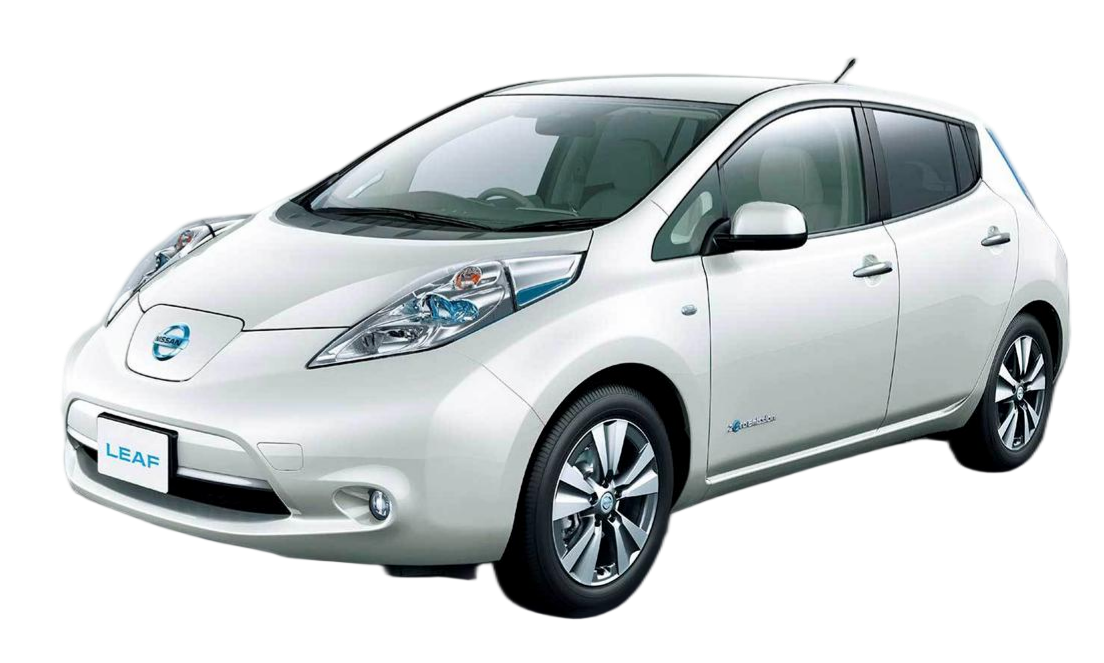
If you own a Nissan Leaf (ZE0, AZE0, or ZE1) or an e-NV200, you are likely familiar with the limitations of older battery technology. As the pioneer of mass-market EVs, the Leaf relied heavily on AESC (Automotive Energy Supply Corporation) batteries. While reliable in their time, these aging packs—often filled with LMO (Lithium Manganese Oxide) chemistry—are now succumbing to degradation.
The burning question for most owners is: Should I repair my old AESC battery, or is it time for a complete upgrade?
As experts in EV powertrain solutions, we at CNS BATTERY have analyzed thousands of Leaf battery replacements. The data is clear: while “refurbished” or “repaired” AESC batteries offer a temporary patch, they cannot compete with the performance, safety, and longevity of a brand-new, factory-standard lithium-ion pack.
This guide breaks down the critical differences between sticking with AESC and upgrading to a premium solution.
Understanding the Limitations of AESC Batteries
AESC batteries were the standard for early Nissan Leafs (24kWh and 30kWh models). However, technology has evolved significantly.
- Chemistry Constraints: AESC packs primarily use LMO chemistry. While stable, LMO degrades faster than modern NMC (Nickel Manganese Cobalt) formulations. If your car originally had a 24kWh or 30kWh pack, you are likely dealing with this older, heavier, and less energy-dense technology.
- The “Refurb” Trap: Many suppliers on the market today offer “remanufactured” AESC batteries. These are typically second-hand packs pulled from salvage yards. Technicians replace a few swollen or dead modules, but the majority of the cells are still 10+ years old.
- Hidden Risks: Because these are old cells, they suffer from imbalance. Even if the battery shows 12 bars, the internal resistance is high, leading to rapid capacity loss, overheating, and often another failure within 6-12 months.
Expert Insight: Replacing a Nissan Leaf battery isn’t just about fixing the symptom; it’s about upgrading the core component. You wouldn’t put used tires on a sports car—don’t put a used battery in your EV.
Why Upgrade? The Case for New Generation Cells
Instead of patching an old wound, modern EV owners are opting to replace their aging AESC modules with brand-new, high-capacity lithium-ion batteries. This isn’t just a repair; it’s a transformation of your vehicle’s capabilities.
1. Superior Chemistry: NMC vs. LMO
Modern replacement batteries, like those offered by CNS, utilize NMC chemistry (often using cells from CATL, one of the world’s top manufacturers).
- Higher Energy Density: This means more range without adding extra weight.
- Longer Lifespan: NMC cells have a significantly higher cycle life compared to the older LMO cells found in AESC packs.
- Better Thermal Stability: Reduced risk of thermal runaway and better performance in extreme temperatures.
2. Zero “Hidden” Degradation
When you buy a refurbished AESC battery, you are gambling on the health of unknown cells. With a brand-new battery pack:
- You start with 100% health.
- The internal resistance is uniform across all modules.
- You gain access to modern Battery Management Systems (BMS) that offer Bluetooth diagnostics and real-time monitoring, which older AESC packs lack.
3. Drastic Range Increase
This is where the upgrade truly shines. You are not limited to the original factory capacity.
- From 24kWh to 62kWh: Imagine upgrading from a “gas tank” that gave you 80 miles to one that gives you over 200 miles.
- Real-World Example: A 2013 Nissan Leaf with a degraded 24kWh AESC pack might struggle to reach 50 miles. Upgrading to a new 62kWh CNS Battery pack restores it to modern EV standards, offering a full charge range of approximately 200+ miles.
Head-to-Head: Refurbished AESC vs. CNS New Generation Battery
To make the decision easier, let’s compare the two options objectively.
| Feature | Refurbished AESC (Used Cells) | CNS New Generation Battery (New Cells) |
|---|---|---|
| Cell Source | Salvage yards / Old stock | Brand new CATL / Top-tier manufacturers |
| Battery Chemistry | LMO (Aging, Heavy) | NMC (High Density, Lightweight) |
| Warranty | Often 6 months or none | 2 Years / 80,000 km |
| Starting Health | Unknown (Usually 70-80% max) | 100% Factory Fresh |
| Price vs. OEM | ~70-80% of new price | ~50% of OEM price |
| Risk of Swelling | High (Old cells degrade fast) | Virtually Zero |
The Verdict: While a refurbished AESC battery might seem cheaper upfront, the risk of failure, lack of warranty, and poor performance make it a false economy. Investing in a new pack offers superior value retention and driving pleasure.
The CNS BATTERY Advantage for Nissan Owners
At CNS, we specialize in OEM-compatible battery solutions for Nissan and BMW. We don’t just sell batteries; we provide a “new lease on life” for your electric vehicle.
1. Factory Standards, Half the Price
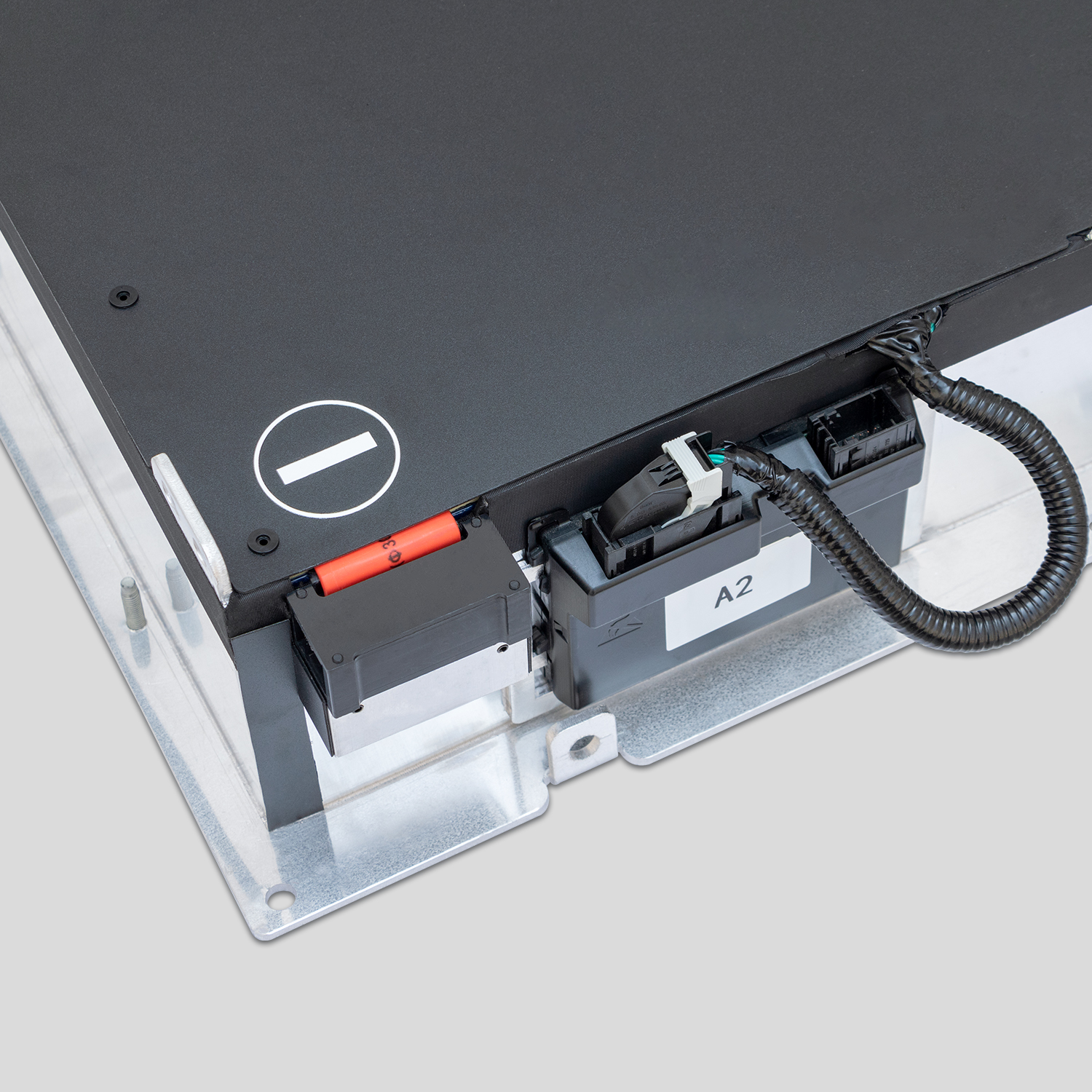
We engineer our packs to meet original factory specifications for voltage, dimensions, and interface matching. However, we use modern components. This means you get a battery that fits your Leaf or e-NV200 perfectly but performs better than the original, all at 50%+ savings compared to Nissan’s dealership prices.
2. Unbeatable Warranty Protection
We back our confidence in our product with a comprehensive 2-Year / 80,000 km warranty. This covers defects in materials and workmanship, as well as performance degradation (ensuring your battery maintains at least 70% capacity). This level of protection is virtually unheard of in the refurbished AESC market.
3. Hassle-Free Installation
Worried about the swap? Don’t be. Our batteries are designed for Plug-and-Play installation.
- Perfect Fit: No cutting or welding required.
- Support: We offer video call guidance and detailed manuals. Our technical experts are on hand to ensure your installation is seamless.
Frequently Asked Questions (FAQ)
Q1: Can I upgrade my old Nissan Leaf (ZE0/AZE0) to a higher kWh rating?
A: Absolutely. This is one of the most popular modifications. You can upgrade from a 24kWh or 30kWh pack to a 40kWh, 50kWh, or even a 62kWh lithium-ion battery. This requires compatibility with your vehicle’s software and charger, which our technical team can verify for you.
Q2: Is it safe to install a new battery myself?
A: If you have basic mechanical skills and follow safety protocols (like wearing insulated gloves), yes. Our batteries come with color-coded connectors and detailed video tutorials. However, due to the high voltage, we always recommend professional installation if you are unsure. We provide remote video support to guide you through every step.
Q3: How does the price compare to a brand-new OEM battery from Nissan?
A: Brand-new OEM batteries from Nissan can cost upwards of $15,000 to $18,000 USD. Our high-quality, brand-new replacement packs start at a fraction of that cost—typically saving you over 50% while offering better chemistry and a longer warranty than most refurbished options.
Q4: What models do you support besides the Nissan Leaf?
A: In addition to the full range of Nissan Leafs (ZE0, AZE0, ZE1) and the e-NV200, we also specialize in BMW i3, BMW 530e, and other hybrid/EV models. We ensure perfect compatibility with your specific VIN.
Ready to End Range Anxiety?
Don’t let an aging AESC battery hold you back. Upgrade to a high-performance, brand-new lithium-ion solution that restores your Nissan Leaf or e-NV200 to its full potential.
Get Your Free Custom Quote Today
Ensure your battery is perfectly matched to your vehicle model. Our technical experts are ready to assist you.