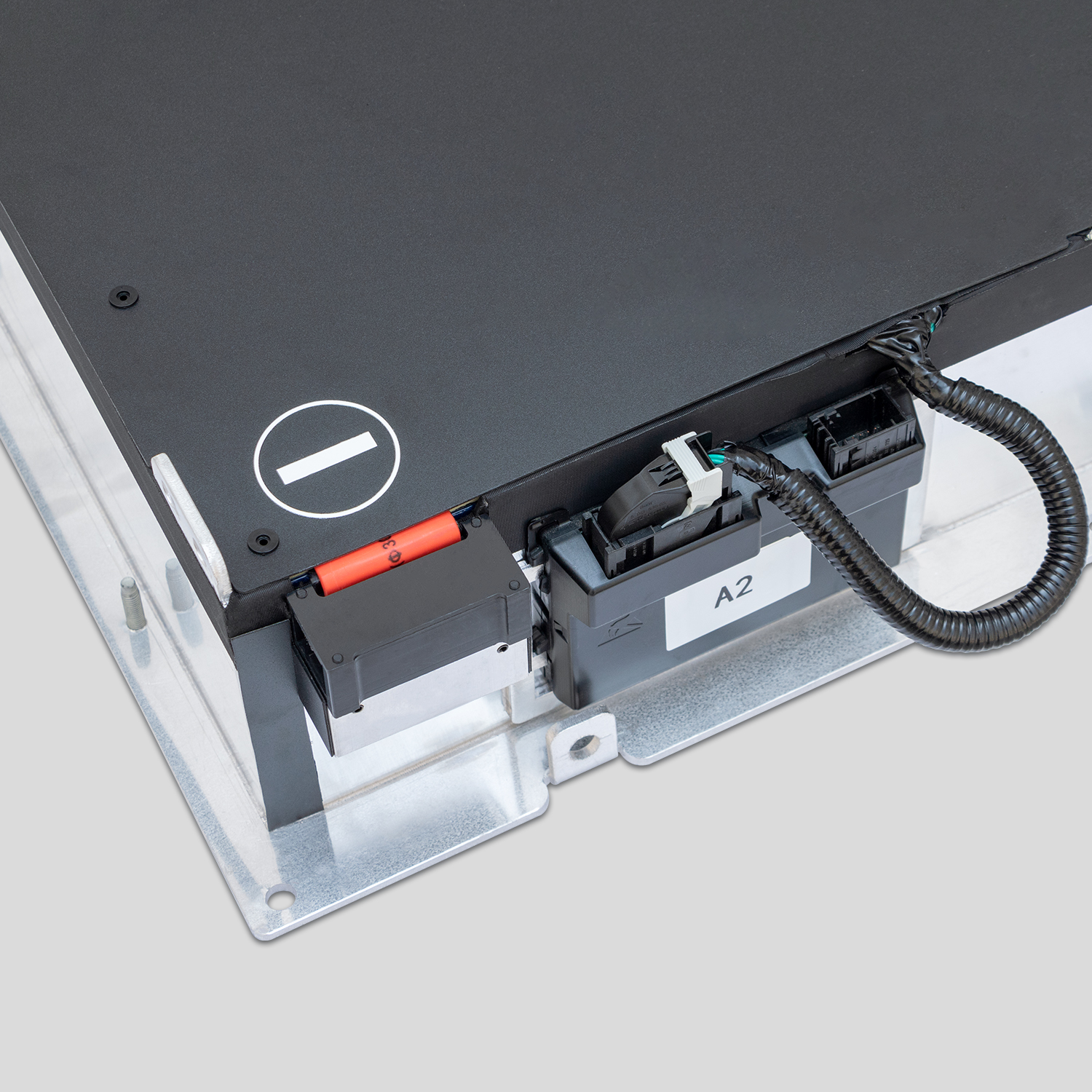
Wholesale Leaf Plus Battery vs VIVNE: The Ultimate Cost & Quality Analysis
Is your Nissan Leaf or e-NV200 struggling with range anxiety? If you’re researching a battery upgrade, you’ve likely encountered the terms “Wholesale Leaf Plus Battery” and “VIVNE.” While VIVNE is a known brand, the “Wholesale” market often implies sourcing directly from manufacturers (like CNS BATTERY) to cut out middlemen.
As a professional in the EV battery replacement industry, I often get asked: “Is it better to buy a branded kit or go for a wholesale solution?” The answer lies in understanding the difference between the core components (which are often identical) and the brand markup.
This guide will dissect the Wholesale Leaf Plus Battery vs VIVNE debate, focusing on value, performance, and long-term reliability.
The “VIVNE” Factor vs. The “Wholesale” Reality
Before we dive into the comparison, let’s clarify the landscape.
- VIVNE: VIVNE is a specific brand that assembles and sells battery upgrade kits, typically for the Nissan Leaf. They are a retailer.
- Wholesale Leaf Plus Battery: This refers to the direct manufacturing market. Most aftermarket Leaf batteries, including those sold by various brands, originate from factories in China. These factories use the same high-grade cells (usually CATL) and produce the same OEM-standard packs.
The Key Insight: When you buy a “Wholesale” battery directly from a manufacturer like CNS BATTERY, you are getting the same (or superior) hardware that brands like VIVNE resell, but at a fraction of the price because you are cutting out the retail markup.
1. The Cost Comparison: Why Wholesale Wins
The most significant difference between a wholesale solution and a branded kit like VIVNE is the price tag.
- The Branded Price (VIVNE): Branded kits often carry a high premium. You are paying for the brand name, the retailer’s marketing, and their profit margin. Prices can often reach $12,000 to $16,000+ for a 62kWh Leaf Plus conversion.
- The Wholesale Advantage: By sourcing directly from an OEM manufacturer, you save 50% or more.
Expert Analysis: The core hardware—lithium-ion cells, Battery Management Systems (BMS), and structural components—is largely standardized. The performance difference between a VIVNE kit and a direct-from-factory “Leaf Plus” kit is negligible because they are often built to the same specifications.
Table 1: Estimated Price Comparison
| Feature | Branded Retailer (e.g., VIVNE) | Direct Wholesale (e.g., CNS BATTERY) |
|---|---|---|
| 40kWh Pack | ~$8,000 – $10,000 | ~$4,000 – $5,500 |
| 62kWh Pack | ~$14,000 – $16,000 | ~$7,500 – $8,500 |
| Savings | Standard Retail Price | Save 50%+ |
2. Battery Cell Quality: CATL is the Standard
You might wonder if the cheaper wholesale price means lower quality cells. The answer is no.
- The Industry Standard: The gold standard for Nissan Leaf Plus upgrades is the use of brand-new CATL (Contemporary Amperex Technology Co. Limited) cells. CATL is the world’s largest battery manufacturer.
- Wholesale vs. VIVNE: Reputable wholesale manufacturers (like us at CNS) use the exact same new CATL cells that go into branded kits. The critical difference is that while some brands might cut corners to hit a price point, a direct manufacturer focuses on the engineering specifications.
Why New CATL Cells Matter:
- Zero Cycle Life: Brand-new cells mean your battery starts with a full lifespan, not someone else’s used capacity.
- Safety: CATL cells have undergone rigorous safety testing, far surpassing older or recycled cells.
- Consistency: New cells ensure perfect voltage matching, eliminating the “weak link” problem found in refurbished packs.
3. Compatibility and Installation
Whether you choose a VIVNE kit or a wholesale kit, the physical dimensions and electrical specifications for a Leaf Plus (62kWh) upgrade are fixed because they must fit the Nissan Leaf chassis (ZE0, ZE1, AZE0).
- Plug-and-Play Design: A high-quality wholesale battery is designed to be OEM-compatible. This means it fits the original mounting points, uses the original connectors, and communicates with the car’s BMS without requiring “hacks” or “splicing” (which can void warranties or cause safety issues).
- Installation Time: For a professional technician, the swap takes about 1-2 hours. This time frame is identical regardless of the brand name on the box.
Pro Tip: The most common mistake in DIY installations is not checking the VIN compatibility. A good manufacturer will offer a free pre-sale VIN check to ensure the battery matches your specific Leaf model year.
4. Warranty: The True Test of Confidence
This is where the “Wholesale” market has evolved significantly. In the past, buying direct meant risking no support. Today, leading manufacturers offer better warranties than many retailers.
- Standard Industry Warranty: Often 1 year or 20,000 km.
- CNS BATTERY Standard: We offer a 2-Year / 80,000 km warranty.
- Coverage: This includes defects in materials and workmanship.
- Performance Guarantee: We guarantee the battery maintains at least 70% capacity over the warranty period.
- Support: Unlike a middleman who might just ship you parts, a direct manufacturer has the engineering team to solve complex BMS or integration issues via remote video support.
5. The “Leaf Plus” Upgrade: Is it Worth it?
If you own a Nissan Leaf (especially a 24kWh or 30kWh model), upgrading to a Leaf Plus (62kWh) battery is essentially giving your car a new life.
- Range: You go from a city car with ~100km range to a highway-capable vehicle with **~270km+** range.
- Resale Value: A Leaf with a new 62kWh pack retains significantly more value than one with a degraded original pack.
- Environmental Impact: Reusing the car shell and motor while replacing only the degraded battery is the most sustainable option in the EV industry.
Conclusion: Making the Smart Choice
When comparing a Wholesale Leaf Plus Battery to a VIVNE (or similar brand), the choice is clear for the savvy buyer.
You don’t need to pay a premium for a brand label when you can get the same brand-new CATL cells, OEM-compatible design, and superior warranty directly from the source. The “Wholesale” route isn’t just cheaper; it allows you to invest in higher-quality components (like a better BMS or thicker casing) because you aren’t paying for retail overhead.
If you’re ready to revive your Nissan Leaf or e-NV200 with a cost-effective, high-performance upgrade, contact a trusted manufacturer directly.
Get a Free Custom Quote for your Nissan Leaf or e-NV200 today. Contact Us Now
Frequently Asked Questions (FAQ)
Q1: Is a “Wholesale” battery the same as a “Refurbished” battery?
- A: Absolutely not. This is a critical distinction. A wholesale battery from a reputable manufacturer uses brand-new cells (usually CATL). A refurbished battery is made from old, used cells pulled from wrecked cars. New cells last 2-3 times longer and are much safer than refurbished cells.
Q2: Will a direct-manufacturer battery fit my specific Nissan Leaf model?
- A: Yes, if it is engineered correctly. Nissan Leafs (models ZE0, ZE1, AZE0) have specific chassis dimensions. A quality OEM manufacturer builds the battery to fit these exact specs. Always confirm compatibility with the seller using your VIN number before purchasing.
Q3: How long does the installation take?
- A: For a professional technician, the physical swap usually takes 1-2 hours. This involves disconnecting the old pack, lifting it out, placing the new one in, and reconnecting the terminals. It is a mechanical swap, not an engine rebuild.
Q4: What about the warranty if I install it myself?
- A: Most manufacturers, including CNS, offer warranties on DIY installations as long as the battery is not physically damaged during the process. However, we strongly recommend having a certified technician do the install to avoid any electrical hazards and to ensure the BMS is programmed correctly, which protects your warranty.