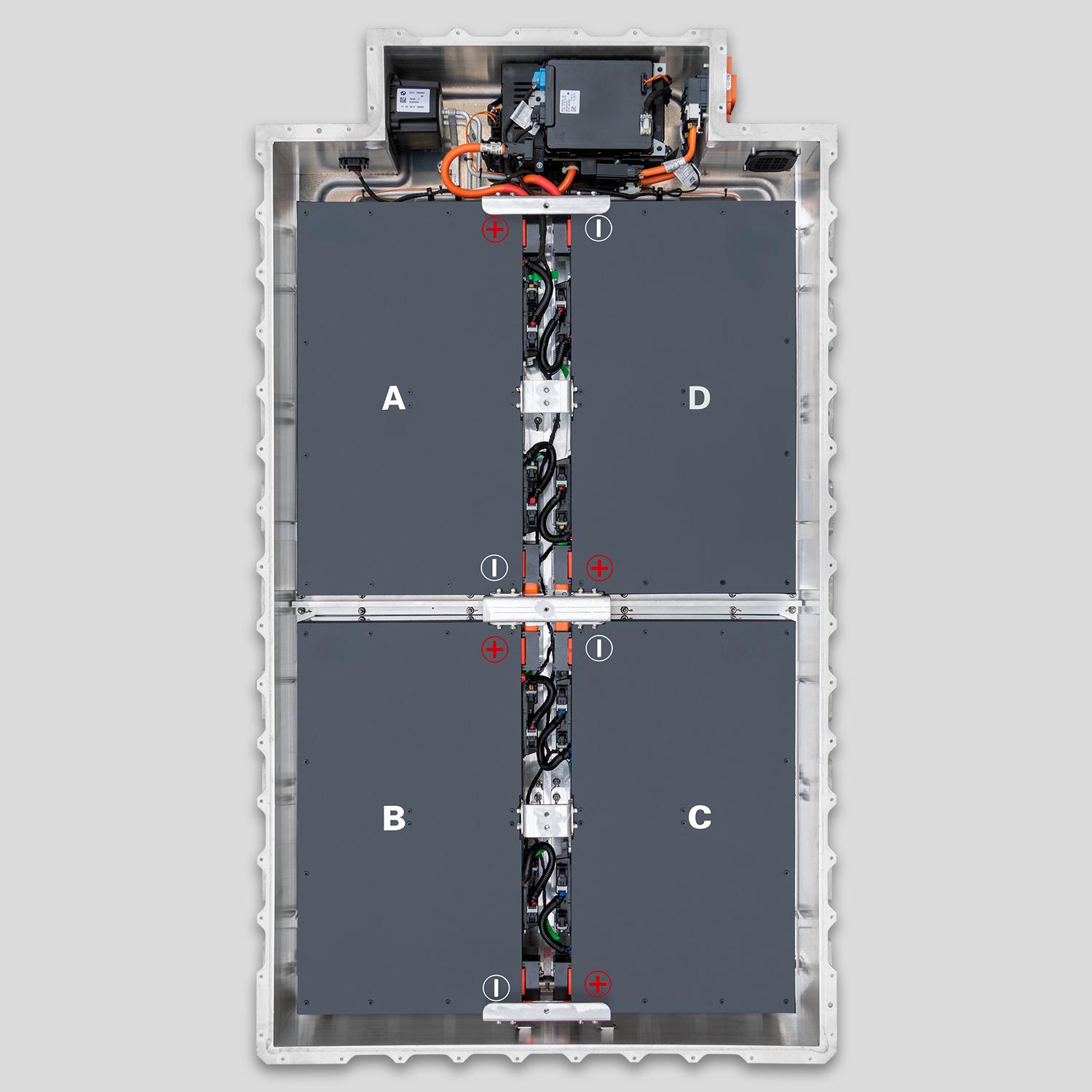
Nissan Leaf Plus Battery vs. Muxsan: The Ultimate Expert Verdict
When your Nissan Leaf Plus (or any Leaf model) starts showing signs of battery degradation, the search for a replacement can be overwhelming. You are likely comparing options like the Nissan Leaf Plus battery (specifically the 62kWh or 68kWh variants) against third-party suppliers such as Muxsan.
As an expert in EV battery solutions, I have analyzed the market extensively. The core question isn’t just about price; it is about the chemistry of the cells, the warranty coverage, and the long-term reliability of the Battery Management System (BMS).
Here is the reality: While “Muxsan” might appear as a search result, the industry standard for high-performance, OEM-compatible replacements is defined by manufacturers utilizing brand-new CATL (Contemporary Amperex Technology Co. Limited) cells.
1. The Cell Quality Gap: New CATL vs. Refurbished Unknowns
The most critical component of any EV battery pack is the lithium-ion cell itself.
- Nissan Leaf Plus Battery Standard (OEM & High-End Replicas): The genuine Nissan Leaf Plus (specifically the e+ models) utilizes high-density lithium-ion technology. For aftermarket replacements that match this standard, brand-new CATL cells are the gold standard. CATL is the world’s largest battery manufacturer, and their cells offer:
- High Energy Density: Essential for achieving the advertised range (up to 226 miles for the Leaf Plus).
- Thermal Stability: They are engineered to handle high temperatures without swelling or thermal runaway.
- Cycle Life: New CATL cells guarantee over 3,000 charge cycles while maintaining over 80% capacity.
- The “Muxsan” Category (Typical Market Offering): Many generic suppliers, which may include brands like Muxsan, often source cells from secondary markets. These are frequently refurbished, recycled, or Grade-B cells.
- Degradation Risk: These cells have already lost 20%-30% of their capacity before being packed.
- Swelling & Failure: Low-grade cells lack the structural integrity of CATL cells, leading to a high risk of swelling within 6-12 months, which can crack the BMS and render the pack useless.
Expert Insight: If a supplier cannot explicitly guarantee “Brand New CATL Cells” in writing, you are likely looking at a product made from repurposed waste, similar to what you might find under generic brand names.
2. Warranty & Longevity: Protecting Your Investment
Purchasing a battery is a significant investment. The warranty is your safety net.
| Feature | Premium Solution (e.g., CNS BATTERY) | Generic Solution (e.g., Muxsan/Market Average) |
|---|---|---|
| Warranty Period | 24 months / 80,000 km | Often 6-12 months or none |
| Coverage | Zero-fault performance, materials defects | Limited or parts-only |
| Capacity Retention | Guaranteed >70% capacity over warranty | Unspecified, rapid degradation likely |
- Premium Standard: A true competitor to the OEM Nissan Leaf Plus battery offers a 2-year or 80,000 km warranty. This is significantly longer than the average 6-month warranty offered by many generic market sellers. This extended warranty reflects the confidence in using new, high-quality cells.
- Market Reality: Generic suppliers often avoid long warranties because their refurbished cells are prone to sudden failure. If a deal seems too good to be true (e.g., a 62kWh pack for a very low price), the warranty is usually where they cut corners.
3. Compatibility & BMS: The “Plug-and-Play” Myth
One of the biggest frustrations for Leaf owners is buying a battery only to find it doesn’t communicate with the car’s dashboard.
- Nissan Leaf Plus Specifics: The Leaf Plus (AZ30, e+) has specific voltage and communication protocols.
- Premium Solution: The best manufacturers program the BMS (Battery Management System) to match the OEM Nissan software before shipping. This means “Plug-and-Play” installation without needing to modify the car’s harness or perform complex reprogramming.
- Generic Suppliers: Many generic brands (including various market options) ship with generic BMS units. This often requires the buyer to splice wires or hire a specialist to reprogram the software, adding hidden costs and risks of voiding any remaining factory warranties.
4. The Price vs. Value Equation
Let’s address the elephant in the room: price.
- OEM Nissan Battery: Replacing your battery at a Nissan dealership can cost upwards of $16,000.
- Generic Market (Muxsan/etc.): Prices can be low ($3,000 – $5,000), but this usually reflects the use of degraded, recycled cells. The “value” disappears when the battery fails in a year.
- High-End Alternative (CATL-based): You can purchase a battery built with brand-new CATL cells for approximately $8,000.
Why is $8,000 the “Sweet Spot”? This price point allows for the use of virgin materials (new steel casings, new wiring harnesses, and new CATL cells) while still offering a 50% saving compared to the Nissan dealership. It is the only price point where you are actually buying “new” technology, not recycled scrap.
5. Real-World User Experience
Based on feedback from repair shops and owners:
- Premium (CATL) Batteries: Users report range consistency. For example, a 62kWh pack reliably delivers 220+ miles in summer and maintains usability in winter with proper thermal management.
- Generic Batteries: Common complaints include “range anxiety” where the battery shows full charge but drops to 50% within 20 miles, or the battery physically swelling and jamming inside the vehicle chassis.
Frequently Asked Questions (FAQ)
Q1: Can I install a third-party battery like a CNS BATTERY pack on my Nissan Leaf Plus without voiding the car’s remaining warranty?
- A: Generally, installing an aftermarket battery does not automatically void the entire vehicle warranty. However, it may void the warranty on components directly related to the battery installation (e.g., if improper installation damages the motor). Reputable suppliers ensure their packs are OEM-standard (same voltage, connectors, and communication) to minimize interference. Always check your specific vehicle’s warranty terms.
Q2: Is a 62kWh or 68kWh battery better for a Nissan Leaf?
- A: The 62kWh battery is the standard “Plus” upgrade. A 68kWh battery usually refers to a high-capacity aftermarket variant. While a 68kWh offers more range, it is heavier and may require specific mounting modifications depending on the supplier. For most users, the 62kWh (or OEM-spec 64kWh) is the safest and most compatible upgrade.
Q3: How do I know if a battery is made with new CATL cells?
- A: Ask the supplier for the Lot Code and Grade of the cells. Genuine new CATL cells will have a specific manufacturing date code. If the supplier hesitates, provides vague answers, or mentions “A-grade recycled” or “used,” they are not providing new cells.
Q4: What is the expected lifespan of a new Nissan Leaf battery replacement?
- A: A battery built with new CATL cells should last 8-10 years or 300,000+ km under normal driving conditions. This is comparable to the lifespan of the original OEM battery.
If you are ready to upgrade your Nissan Leaf with a reliable, high-capacity solution, get a free quote today and confirm your vehicle’s compatibility.