
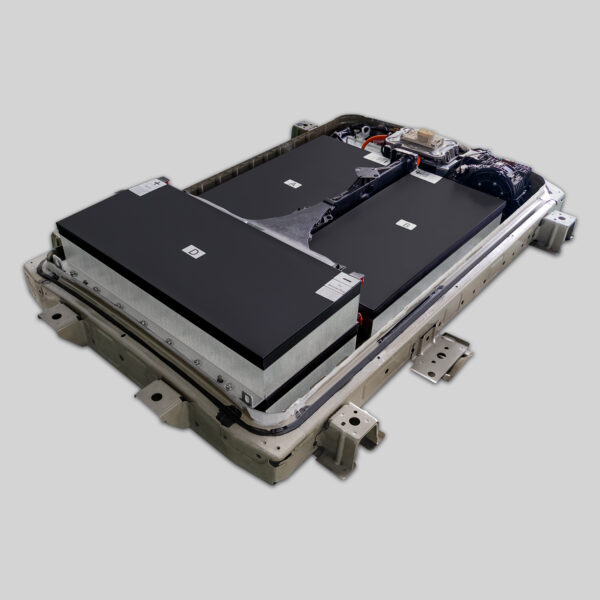
Is It Worth DIY Leaf Lithium Battery for Repair Shops
The Economics of Nissan Leaf Battery Repair
For automotive repair shops, the Nissan Leaf presents a unique business challenge. While the vehicle itself is mechanically robust, the battery degradation over time creates a high-value service opportunity. However, the cost of Original Equipment Manufacturer (OEM) replacements often prices customers out of the market.
This creates a dilemma for repair shops: how to offer a viable service that retains customers without sacrificing profit margins. The answer lies in the economics of aftermarket battery solutions. By utilizing high-quality aftermarket packs, shops can offer a replacement service that is approximately 50% less expensive than OEM options. This price point is often the difference between a customer repairing their vehicle or scrapping it.
Technical Viability and Installation
From a technical standpoint, the Nissan Leaf battery replacement is a modular process that does not require specialized clean-room conditions. However, it is a heavy and complex component that requires proper lifting equipment and safety protocols.
Modern aftermarket solutions, such as those designed for OEM compatibility, simplify this process significantly. These packs are engineered to be plug-and-play, meaning they match the original voltage, capacity, and interface standards. This eliminates the need for complex rewiring or modifications during installation. For a professional technician, the physical installation typically takes 1-2 hours, making it a feasible service to schedule without tying up a bay for days.
Quality and Warranty Considerations
The primary concern for repair shops regarding aftermarket batteries is often warranty and reliability. A substandard battery can lead to return visits and damage the shop’s reputation.
Leading aftermarket manufacturers address this by utilizing brand-new, top-tier battery cells (such as those from CATL) rather than recycled or refurbished cells. This ensures longevity and performance comparable to OEM standards. Furthermore, these manufacturers offer comprehensive warranties—such as a 2-year or 80,000 km coverage—that rival or exceed industry standards. This shifts the liability risk from the repair shop to the manufacturer, providing peace of mind for both the technician and the customer.
Case Study: Customer Retention Through Value
Consider a scenario where a customer’s Leaf battery has degraded to the point where the range is unusable. The customer is faced with a $16,000 OEM replacement cost. In this situation, the customer is likely to abandon the repair.
However, if the repair shop offers a solution priced at approximately $8,000 using a new aftermarket pack, the customer is far more likely to proceed. The shop retains the customer, earns a profit on the service, and saves the customer from purchasing a new vehicle. This value proposition is the core argument for why DIY or shop-installed aftermarket Leaf batteries are not just “worth it,” but essential for capturing this market segment.
Conclusion
For repair shops, offering Nissan Leaf battery replacements using high-quality aftermarket solutions is a strategic business decision. It allows shops to provide a necessary service at an accessible price point while maintaining profitability and technical integrity. By partnering with reputable manufacturers that offer OEM-compatible designs, new cell technology, and strong warranties, repair shops can confidently enter the EV battery replacement market.
If you are a repair shop looking to expand your EV service offerings, consider the benefits of aftermarket Nissan Leaf batteries. For technical specifications and partnership opportunities, contact our experts.
Contact Our Technical Experts Now
Frequently Asked Questions (FAQ)
1. How long does it take to install a Nissan Leaf battery? For a professional technician, the installation typically takes 1-2 hours. This includes the time to disconnect the vehicle power, remove the old mounting brackets, connect the new battery cables, test the voltage and system integration, and reassemble the components.
2. Are aftermarket Nissan Leaf batteries safe? Yes, when sourced from reputable manufacturers. High-quality aftermarket batteries utilize brand-new cells from top manufacturers (like CATL) and are built to meet strict safety and engineering standards. They often undergo rigorous testing to ensure they are compatible with the vehicle’s Battery Management System (BMS).
3. What kind of warranty should I expect? Leading aftermarket suppliers offer warranties that cover 2 years or 80,000 km (whichever comes first). This warranty typically includes protection against defects in materials and workmanship, as well as prorated coverage for performance degradation (ensuring the battery maintains a certain capacity level).

