Cheap Leaf LFP Battery vs Dala: The Ultimate Cost-Per-Cycle Showdown
The Nissan Leaf battery market is flooded with options, but two names dominate the conversation: “Dala” (often representing high-end, expensive solutions) and the new wave of LFP (Lithium Iron Phosphate) batteries. If you are staring at a dead dashboard or a rapidly shrinking range, you are likely asking one question: How do I get the most reliable power for the least amount of money?
As an expert at CNS BATTERY, I have seen the shift firsthand. While the “Dala” route offers a complete rebuild, it comes with a staggering price tag. Meanwhile, LFP technology offers a compelling alternative: lower upfront costs, superior safety, and a lifespan that rivals the original. Let’s break down why an LFP upgrade might be the smarter financial decision for your Leaf.
🛑 The “Dala” Dilemma: Why Price Isn’t Everything
Before we dive into LFP, let’s define the competition. When people refer to “Dala” in the Leaf community, they are usually talking about a specific, high-cost repair methodology.
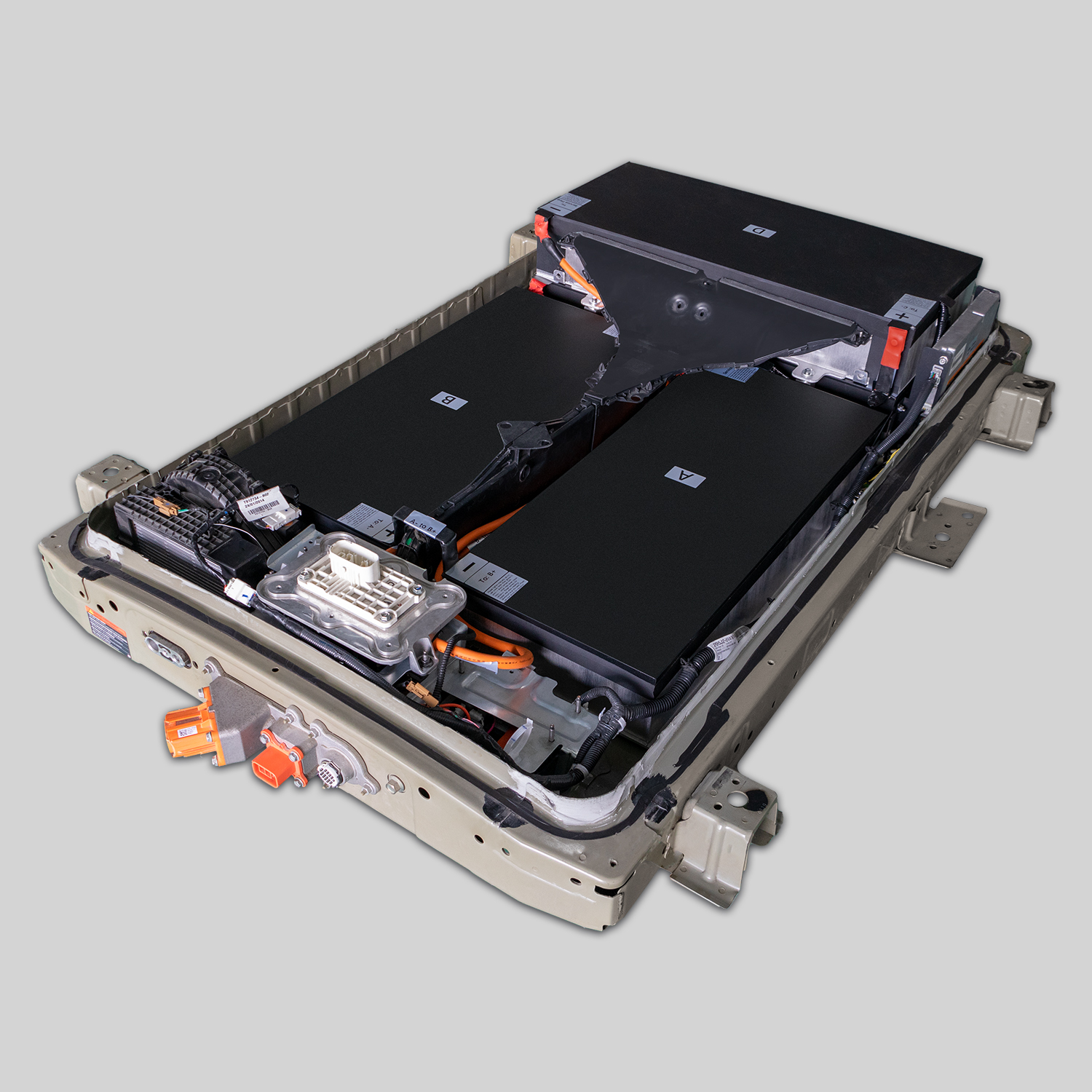
- The Process: This involves disassembling the entire original battery pack, replacing the degraded modules with new (often repurposed) cells, and then reassembling it.
- The Reality: While this can restore your car to factory specifications, the labor costs are astronomical. We are talking about prices that can reach $16,000 or more.
- The Risk: You are paying a premium to fix a 10+ year old design. Even with new modules, you are still relying on an aging Battery Management System (BMS) and housing.
The Verdict: “Dala” is a solution for purists or collectors who must have the exact original equipment. For the rest of us, the math simply doesn’t add up.
🔋 The LFP Revolution: Why Chemistry Matters
LFP stands for Lithium Iron Phosphate. This isn’t just a cheaper lithium-ion variant; it is a fundamentally different chemistry designed for longevity and safety.
1. Safety First (No More Thermal Runaway) Unlike the original NMC (Nickel Manganese Cobalt) chemistry found in early Leafs, LFP batteries are incredibly stable. They do not suffer from “thermal runaway,” meaning they won’t catch fire even under extreme stress. For a daily driver, this peace of mind is invaluable.
2. The “Forever” Battery LFP cells are famous for their cycle life. While your old Leaf battery might have died after 1,000 cycles, a quality LFP pack can handle 3,000 to 5,000 cycles. This means you are buying a battery that will likely outlive the car itself.
3. The Cost Advantage Because LFP doesn’t use expensive metals like Cobalt or Nickel, the raw material cost is significantly lower. This allows manufacturers like CNS to offer brand-new, high-quality packs at a fraction of the “Dala” price.
📊 Head-to-Head: LFP vs. “Dala” (The Price War)
Let’s put these two options side-by-side to see where your money actually goes.
| Feature | “Dala” (Rebuilt OEM) | LFP (Lithium Iron Phosphate) |
|---|---|---|
| Upfront Cost | $12,000 – $16,000+ | ~$7,800 (50%+ Savings) |
| Battery Chemistry | NMC (Original, Prone to Degradation) | LFP (Stable, Long Cycle Life) |
| Warranty | Often limited or none | 2 Years / 80,000 km |
| Cold Weather | Standard Performance | Requires Pre-Conditioning |
| Longevity | Good (Dependent on old housing) | Excellent (3000+ Cycles) |
The Takeaway: For less than half the price of a “Dala” rebuild, you get a brand-new, safer chemistry with a longer warranty and a longer expected lifespan.
💰 The Real Math: Cost-Per-Cycle Analysis
To truly understand the value, we need to look beyond the sticker price. We need to calculate the Cost-Per-Cycle.
Imagine you are buying a battery that costs $15,000 (“Dala”) versus a CNS LFP battery that costs $7,800.
- The “Dala” Cost: $15,000 / 1,000 cycles (estimated life) = $15.00 per cycle.
- The LFP Cost: $7,800 / 3,500 cycles (LFP life) = $2.23 per cycle.
Which one sounds like the better investment? The LFP battery costs you less than a cup of coffee every time you charge it, while the “Dala” solution costs you a full tank of gas.
⚙️ Why CNS LFP Batteries Are the Smart Choice
At CNS BATTERY, we don’t just sell cheap batteries; we sell value. Here is how we bridge the gap between “cheap” and “premium”:
1. Premium Cells, Premium Price We refuse to use recycled or “B-grade” cells. Our LFP packs utilize brand-new cells from CATL, the world’s largest lithium-ion battery manufacturer. This ensures you get the same quality found in Tesla Model 3s and BYD cars, but at a Nissan Leaf price point.
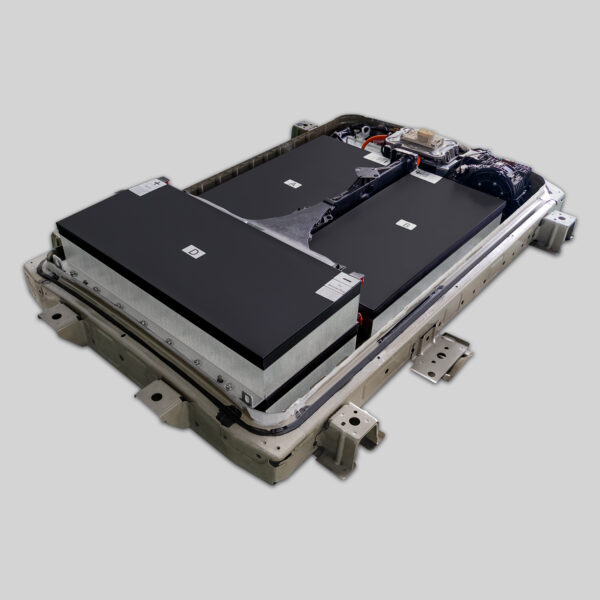
2. Plug-and-Play Simplicity One of the biggest fears with an LFP swap is the BMS programming. Unlike the complex “Dala” disassembly, our LFP packs are designed as drop-in replacements. You remove the old pack, drop in the new one, and connect the cables. It is designed for the DIYer or the independent mechanic, cutting out the dealership markup entirely.
3. The Range Boost You Didn’t Expect Because LFP technology has advanced so much, we can often fit more capacity into the same space. Many of our customers upgrade from a 40kWh pack to a 62kWh or even 68kWh LFP pack. This doesn’t just fix the car; it turns a 80-mile commuter into a 250-mile road warrior.
🗣️ Real-World Results: What Our Customers Say
Don’t just take my word for it. Mark T. from California faced the “Dala” dilemma and chose our 62kWh LFP upgrade.
“Replacing my battery with an original manufacturer solution would cost $16,000, which was ridiculous! After comparing options, I chose a 62kWh battery from CNS, which cost only $7,800, less than half the price… Now, the full charge range is 430km… The 2-year/80,000km warranty is reassuring.”
This is the reality for our customers: half the price, double the range, and zero stress.
❓ Frequently Asked Questions (FAQ)
Q1: Will an LFP battery work with my Nissan Leaf’s heater and regenerative braking? A: Yes, but there are nuances. LFP batteries perform best when they are warm. In very cold climates, you may need to pre-condition the battery or ensure your Leaf has a functioning heater circuit to maintain peak performance. Regenerative braking works seamlessly with our packs.
Q2: Is the installation difficult? A: Not at all. Unlike “Dala,” which requires microscopic surgery on the battery, an LFP replacement is a drop-in swap. If you can change your oil, you (or a local mechanic) can install this. It typically takes 1-2 hours. We provide video guides and remote support to ensure a smooth install.
Q3: Why is CNS BATTERY cheaper than the “Dala” shops? A: We cut out the middleman. “Dala” shops often rely on expensive proprietary equipment and charge premium labor rates. We manufacture the packs directly and ship them to you. We are passing the savings of direct manufacturing straight to the consumer.
Q4: What about the warranty? A: We back our confidence in the technology with a 2-year / 80,000 km warranty. This covers manufacturing defects and ensures your battery maintains at least 70% capacity over the warranty period. Most “Dala” rebuilds offer much shorter warranties for their exorbitant price.
🚀 Ready to Revive Your Leaf?
If you are tired of paying premium prices for outdated technology, it is time to make the switch to LFP.
Don’t let the “Dala” price tag scare you out of keeping your reliable Nissan Leaf on the road. With a CNS LFP battery, you get a brand-new, safer, longer-lasting powertrain at half the cost.
Stop overpaying for old technology. Click below to get your free quote and see how much you can save.