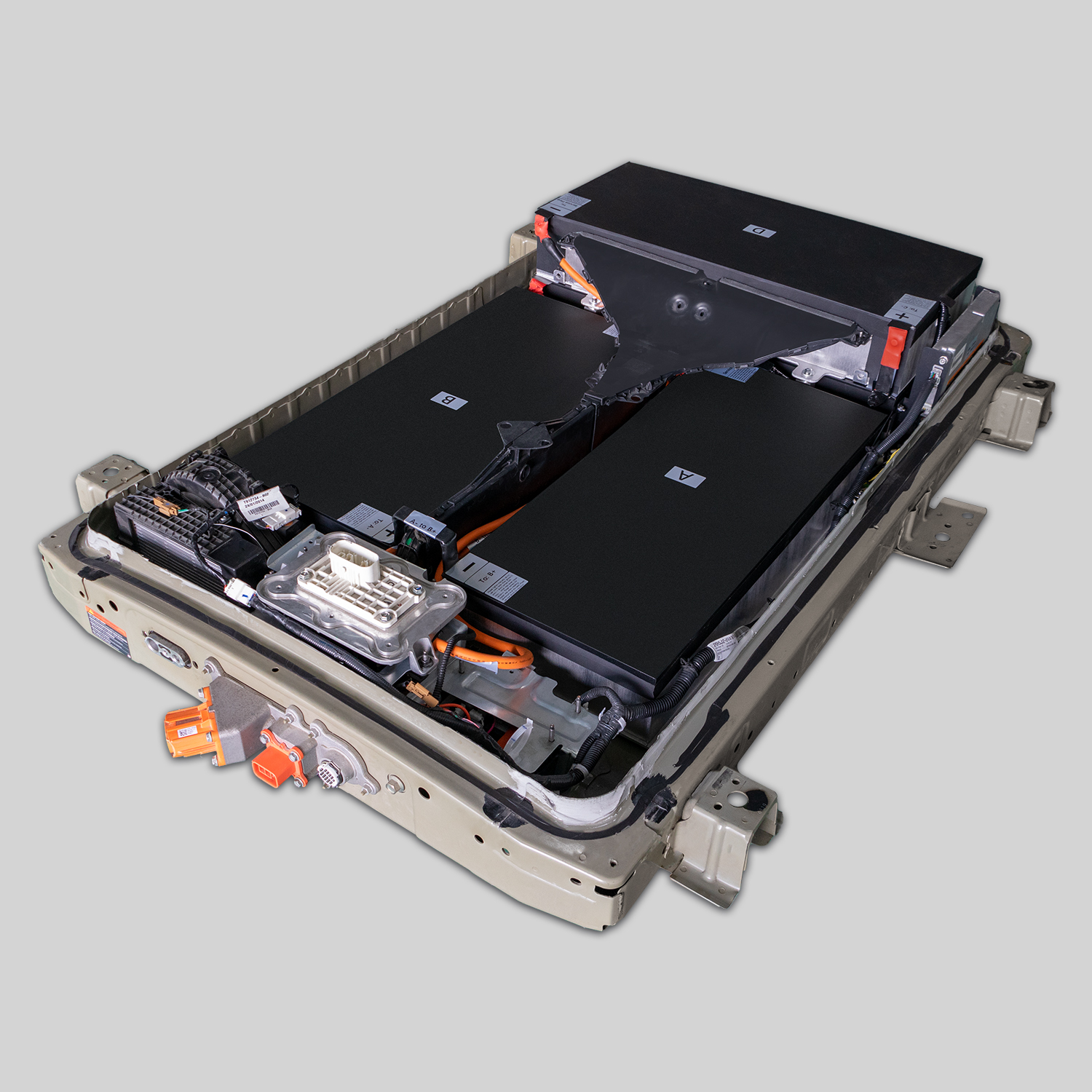
DIY Nissan Leaf & e-NV200 LFP Battery Installation: The Ultimate Safety Upgrade
Is your Nissan Leaf or e-NV200 struggling with range anxiety or battery degradation? You’re not alone. Many EV owners are now looking for ways to breathe new life into their vehicles without breaking the bank. However, the biggest hurdle for most DIY enthusiasts isn’t just the cost—it’s the fear of compromising safety during the installation process.
If you’re searching for a DIY Leaf LFP battery installation that offers a high safety rating, you’ve found the right guide. At CNS BATTERY, we specialize in OEM-compatible replacement solutions for Nissan and BMW vehicles. We understand that as a DIYer, you need a battery that is not only powerful but also engineered to be installed safely and correctly the first time.
In this comprehensive guide, we will walk you through why Lithium Iron Phosphate (LFP) technology is the safest choice for your project, how our batteries are designed for the DIY market, and the specific safety features that make our packs the top choice for confident installers.
Why Choose LFP (Lithium Iron Phosphate) for Your DIY Project?
When you decide to tackle a DIY Leaf LFP battery installation, you are likely choosing this chemistry for its legendary durability. However, the primary reason professionals and DIYers alike are switching to LFP is its intrinsic safety profile.
Unlike the older Lithium Nickel Manganese Cobalt Oxide (NMC) batteries found in early Leafs, LFP batteries are chemically stable. This means they are far less likely to experience thermal runaway, a condition where the battery overheats uncontrollably.
Key Safety Advantages of LFP:
- Thermal Stability: LFP cells do not decompose at high temperatures, drastically reducing the risk of fire.
- Chemical Inertness: The chemistry is non-toxic and does not release oxygen if damaged, making it much safer in the event of a crash or puncture.
- Long Cycle Life: With a lifespan often exceeding 3000+ cycles, an LFP battery maintains its structural integrity much longer than NMC, ensuring safety doesn’t degrade over time.
By choosing an LFP upgrade, you are not just extending your range—you are fundamentally upgrading the safety rating of your vehicle.
Engineered for DIY: The CNS BATTERY Difference
At CNS BATTERY, we don’t just sell batteries; we engineer solutions. We know that a successful DIY Leaf LFP battery installation depends on the hardware fitting perfectly and the software communicating flawlessly.
OEM-Grade Precision Fit: Our batteries are designed to meet Original Equipment Manufacturer (OEM) standards. This means:
- Plug-and-Play Compatibility: Every connector, bolt, and harness matches your original Leaf or e-NV200 specifications. You do not need to modify the wiring loom, reducing the risk of electrical shorts.
- Exact Dimensions: Our packs fit perfectly into the chassis without requiring modifications to the undertray or suspension components.
Smart BMS Integration: Safety isn’t just about the cells; it’s about the Brain—the Battery Management System (BMS). Our BMS is programmed to communicate seamlessly with the Nissan Vehicle Control Unit (VCU). This ensures that the car recognizes the battery as “original,” maintaining all factory safety protocols, including regenerative braking and temperature management.
The CNS BATTERY Safety Protocol
We understand that trust is earned. When you buy a battery online for a DIY install, you need to know it won’t fail you—or your car.
1. Premium Cell Sourcing (CATL Grade A): We utilize only brand-new, Grade A cells from top-tier manufacturers like CATL. We never use recycled, second-life, or refurbished cells. This guarantees that your battery has zero internal defects and a consistent chemical structure, which is the foundation of a high safety rating.
2. Comprehensive Protection: Every CNS battery pack features multiple layers of physical protection:
- Robust Housing: Our enclosures are built to withstand road debris and vibrations.
- IP67 Waterproof Rating: The battery is completely dust-tight and can withstand immersion in water up to 1 meter deep for 30 minutes, protecting against flash floods or deep puddles.
3. Real-World Testing: Before a single pack ships, it undergoes rigorous testing for overcharge, short-circuit, and extreme temperature exposure. We back this confidence with a 2-year / 80,000 km warranty, which is significantly longer than most competitors in the aftermarket space.
Your Step-by-Step DIY Installation Guide
Ready to start your project? Here is a general overview of what a DIY Leaf LFP battery installation looks like with a CNS BATTERY pack.
Phase 1: Preparation
- Safety First: Ensure you have insulated gloves and tools. Disconnect the 12V auxiliary battery to cut power to the high-voltage system.
- Lift the Vehicle: You will need a hydraulic lift or sturdy jack stands. The battery pack is heavy, so ensure the vehicle is secure.
Phase 2: Removal of the Old Pack
- Drain Coolant: If you have a Gen 2 (ZE1) Leaf, remember to drain the coolant from the old pack.
- Disconnect HV Connector: This is the most critical safety step. Disconnect the high-voltage orange connector and secure it away from the battery.
- Unbolt: Remove the chassis bolts securing the battery to the undercarriage.
Phase 3: Installing the CNS LFP Pack
- Lift and Align: Using a transmission jack, lift the new CNS LFP battery into position. Thanks to our OEM design, the alignment should be perfect.
- Reconnect: Bolt the pack down and reconnect the high-voltage connector and the CAN bus communication cables.
- Refill (if applicable): For temperature-controlled models, refill the coolant system and bleed any air pockets.
Phase 4: Programming and Testing
- BMS Wake-up: Our battery is designed to “wake up” and communicate with the car’s dashboard immediately.
- Test Drive: Take a short, cautious test drive to ensure all systems are functioning correctly.
Expert Tip: While we design for DIY, if you encounter any issues during the DIY Leaf LFP battery installation, our technical support team offers video call guidance to walk you through it step-by-step.
Why CNS BATTERY is the Best Value
You might be wondering why you should choose CNS BATTERY over other options. The answer is simple: Quality vs. Cost Ratio.
| Feature | CNS BATTERY | Refurbished/Used Batteries | OEM New Battery |
|---|---|---|---|
| Cell Quality | Brand New CATL LFP | Aged, Degraded, Swollen | Original NMC (Expensive) |
| Safety Rating | High (Inherently Stable) | Low (Unpredictable) | High |
| Warranty | 2 Years / 80,000 km | Often None | 8 Years (Limited) |
| Price | ~50% of OEM | ~30% of OEM (High Risk) | 100% (Very Expensive) |
By choosing CNS, you get a brand-new, safe LFP battery for roughly half the price of a new Nissan battery, without the gamble of a used pack.
Frequently Asked Questions (FAQ)
Q1: Is it difficult to install an LFP battery in a Nissan Leaf by myself? A: Not with a CNS BATTERY pack. We design our batteries for plug-and-play compatibility. If you are comfortable changing your oil or brakes, you can likely handle this. We provide detailed installation videos and manuals. For complex programming steps, our customer service offers remote video guidance to ensure success.
Q2: Will an LFP battery work with my Leaf’s existing Battery Management System (BMS)? A: Yes. Our batteries come with a pre-programmed BMS that is compatible with Nissan Leaf protocols. In most cases, the car will recognize the battery immediately without requiring any software reflashing. However, for specific models (like the e-NV200 or specific Leaf trims), we provide the necessary programming tools or instructions.
Q3: How much range can I expect after the upgrade? A: This depends on the capacity you choose (40kWh, 62kWh, or 75kWh options). Generally, an LFP upgrade will restore your car to “like-new” range levels. For example, upgrading a degraded 24kWh pack to a new 40kWh LFP can increase your range from 80km to over 240km.
Q4: What if I run into a problem during installation? A: We stand by our products. If you encounter an issue, our dedicated technical support team is available via email or video call. We will guide you through the troubleshooting process. Additionally, our 2-year warranty covers any manufacturing defects, ensuring you are protected.
Q5: Are there any specific tools I need for the DIY Leaf LFP battery installation? A: You will need standard mechanic tools (wrenches, sockets) and a transmission jack or engine crane to lift the heavy battery pack. We also recommend having insulated gloves and safety glasses. For coolant-equipped models, you will need coolant and a way to bleed the system.
Ready to transform your Nissan Leaf or e-NV200 with a safe, high-capacity LFP battery?
Don’t let an old, degraded battery limit your driving. Contact CNS BATTERY today for a free quote and speak to our technical experts about the perfect DIY solution for your vehicle.