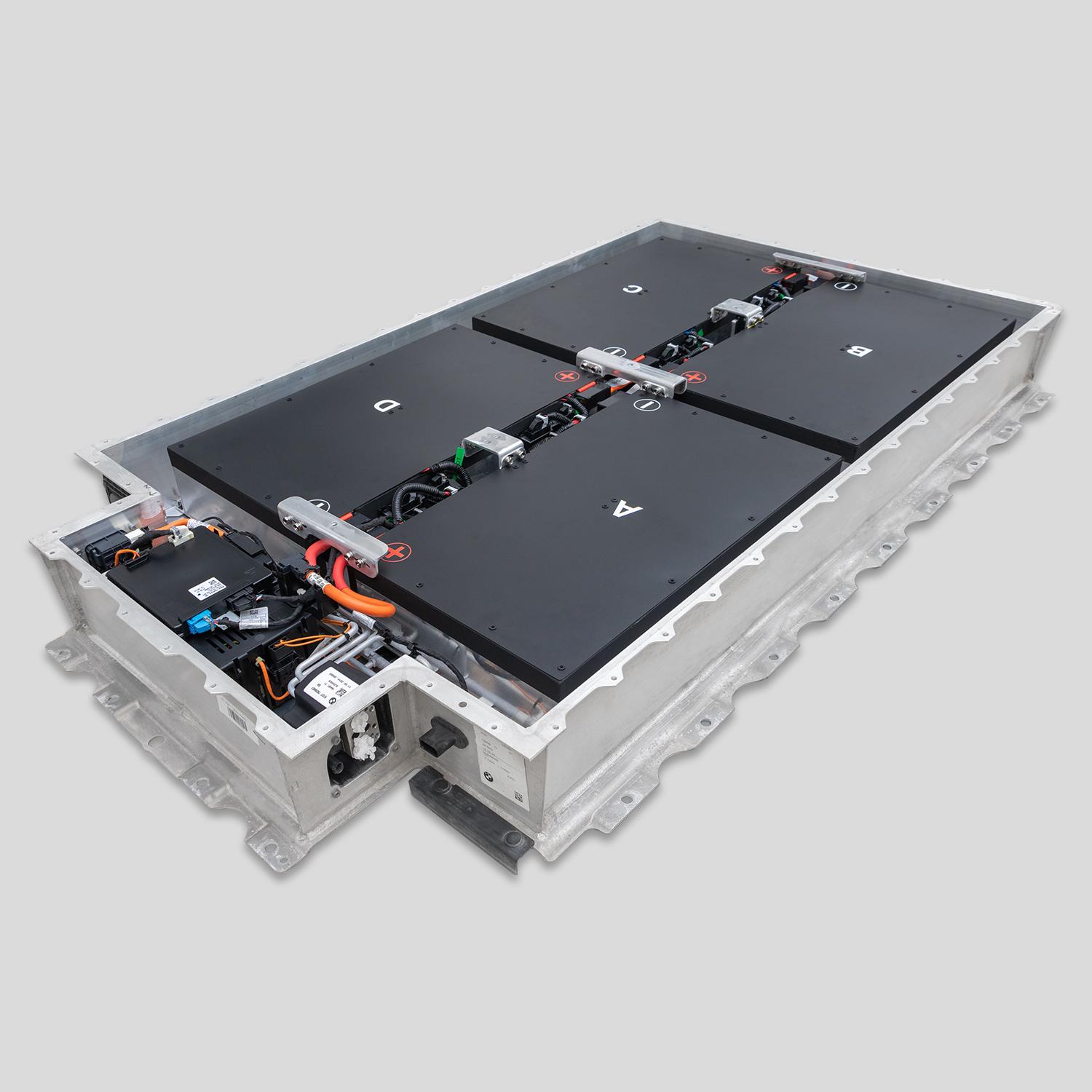
Nissan EV NMC Battery vs Muxsan: The Ultimate Comparison Guide
The Nissan Leaf battery replacement market is saturated with options. While some solutions promise savings, they often compromise on safety and longevity. As a leading manufacturer specializing in Nissan and BMW EV batteries, CNS BATTERY is dedicated to empowering you with the knowledge to make the best choice. If you are weighing the risks of low-cost alternatives like Muxsan against the reliability of premium NMC (Lithium Nickel Manganese Cobalt Oxide) solutions, this guide is for you.
We will break down the critical differences, focusing on the superior performance and safety offered by modern NMC technology compared to the pitfalls of inferior aftermarket brands. By the end of this article, you will understand why choosing a high-quality NMC battery is the smartest investment for your Nissan Leaf or e-NV200.
Understanding the Stakes: Why Battery Chemistry Matters
Before diving into the comparison, it is crucial to understand what an NMC battery is. NMC stands for Nickel Manganese Cobalt, a specific type of lithium-ion battery chemistry. It is widely regarded as the industry standard for electric vehicles due to its balanced properties: high energy density, strong thermal stability, and long cycle life.
When replacing your Nissan Leaf battery, you are not just buying a box of cells; you are buying the future reliability of your vehicle. This is where the divergence between a premium NMC solution and a budget brand like Muxsan becomes starkly apparent.
⚡ The Performance Gap: NMC vs. Muxsan
To truly grasp the difference, let us look at the core components that drive performance.
1. Cell Quality and Consistency The heart of any EV battery is the individual cell. Premium NMC batteries, such as those manufactured by industry giants like CATL, undergo rigorous quality control. These cells are brand new, batch-tested, and guaranteed to perform within strict tolerances.
In contrast, brands like Muxsan often rely on recycled or repurposed cells. These are frequently “B-grade” cells—discarded batteries salvaged from other applications or old EV packs. The inconsistency in these cells leads to rapid degradation and “hot spots” within the pack.
2. Energy Density and Range Nissan Leaf owners rely on their cars for daily commutes. A premium NMC battery offers high energy density, meaning you get more range without adding excessive weight. A genuine NMC pack ensures your Leaf drives like new, maintaining the advertised range for years.
Muxsan batteries, due to their reliance on older or mixed chemistry cells, often suffer from low energy density. This results in a significantly reduced driving range. What might start as a 150-mile range can plummet to 80 miles within a year due to the rapid decay of low-quality cells.
🛡️ Safety and Longevity: The Hidden Costs
Safety should never be a gamble. The difference in construction standards between these two options is a matter of safety.
NMC: Built to Last Modern NMC batteries feature advanced Battery Management Systems (BMS) that monitor every cell’s temperature and voltage. This technology prevents overcharging and thermal runaway. A well-constructed NMC pack can last 8-10 years or more with proper maintenance.
Muxsan: The Risk of “B-Grade” When a brand utilizes discarded or recycled cells (common in the budget market), the risk of failure skyrockets. These cells are prone to swelling, internal short circuits, and in worst-case scenarios, fire hazards. There is a reason these cells were discarded in the first place; repackaging them is a temporary fix at best.
💰 The True Cost of Ownership
It is tempting to look at the initial price tag, but the true metric is the cost per mile.
| Feature | Premium NMC Battery | Budget Alternative (e.g., Muxsan) |
|---|---|---|
| Cell Source | Brand new, A-grade (e.g., CATL) | Recycled, salvaged, or B-grade |
| Warranty | 2 Years / 80,000 km | Often None or Very Limited |
| Longevity | 8+ Years (Stable) | 6-12 Months (Rapid Degradation) |
| Safety | High (Certified) | Low (Risk of Swelling/Failure) |
| Installation | Plug-and-Play (OEM Standard) | May require modifications |
The Verdict: While a Muxsan-style battery might save you money upfront, the likelihood of it failing within 6 months means you will be paying for another replacement—and the labor costs to install it—within a year. This makes the “cheap” option actually the most expensive choice in the long run.
🏆 Why Choose a Premium NMC Solution?
At CNS BATTERY, we advocate for solutions that put your mind at ease. We do not just sell batteries; we provide a powertrain upgrade.
- Original Factory Standard R&D: Our batteries are engineered to match OEM specifications, ensuring perfect compatibility with Nissan Leaf ZE0, ZE1, AZE0, and e-NV200 models.
- Ultimate Safety: We utilize only brand-new, top-tier NMC cells. This eliminates the risks associated with recycled or mixed-chemistry packs.
- Zero-Failure Reliability: Our rigorous testing protocols ensure that when you install our battery, you are driving away with a product designed for the long haul, not a temporary patch.
📝 Conclusion: Make the Smart Investment
Choosing between an NMC battery and a low-cost alternative like Muxsan is not a choice between “expensive” and “cheap.” It is a choice between reliability and regret.
Do not gamble with your vehicle’s safety or your wallet. If you are ready to upgrade your Nissan EV with a high-performance, safe, and durable NMC battery, our team of technical experts is here to help.
Get your free, personalized quote today and experience the difference a premium battery makes.
Get Your Free Custom Quote Now
❓ Frequently Asked Questions (FAQ)
1. Why are NMC batteries considered superior for Nissan Leafs? NMC (Nickel Manganese Cobalt) batteries are considered superior because they offer a perfect balance of high energy density, thermal stability, and long cycle life. For Nissan Leafs, this translates to longer driving ranges, faster charging capabilities, and a significantly longer lifespan compared to older or inferior battery chemistries.
2. What are the main risks of using recycled or B-grade cells found in some budget batteries? The main risks include rapid capacity degradation (where your range drops drastically in months), cell swelling, and potential safety hazards like thermal runaway (overheating or fire). Recycled cells are unpredictable and lack the consistency required for a safe and reliable EV powertrain.
3. How long should a high-quality replacement Nissan Leaf battery last? A high-quality replacement battery, such as a premium NMC pack from a reputable manufacturer, should last between 8 to 10 years or approximately 150,000 to 200,000 miles under normal driving conditions. This is based on the lifespan of the new A-grade cells used in the construction.
4. Is it worth buying a cheap replacement battery to save money? Generally, no. Cheap replacement batteries often use salvaged or mixed cells that fail quickly. The cost of labor to install a battery is high; if the battery fails in 6 months, you have to pay for labor again. This makes the “cheap” battery the most expensive option in the long run.
5. How can I verify the quality of a replacement battery before purchasing? You can verify quality by asking the manufacturer specific questions: “Are the cells brand new or recycled?” “Who is the cell manufacturer?” (Look for names like CATL, LG, or Samsung). Additionally, check the warranty terms; reputable manufacturers offer substantial warranties (e.g., 2 years/80,000 km) because they stand by their product’s durability.