
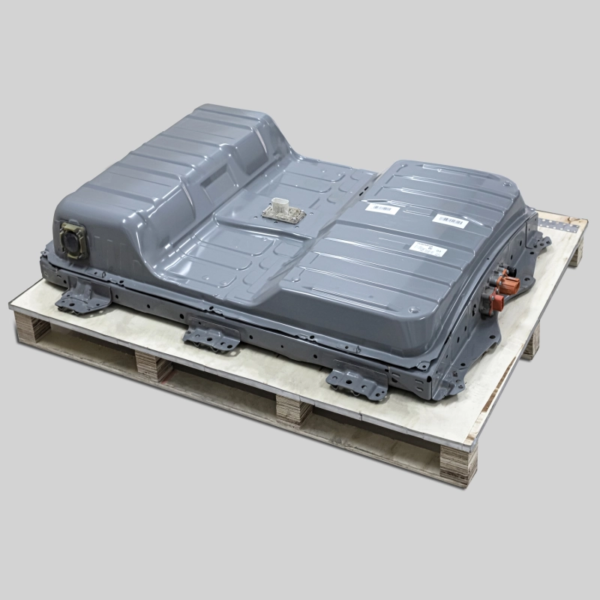
Here is the SEO-optimized article tailored for repair shops and professionals seeking durable Nissan EV battery solutions.
The Ultimate Guide to Installing High-Durability Nissan EV Lithium Batteries for Repair Shops
The Challenge of EV Battery Replacement For automotive repair shops, the shift to electric vehicles presents a significant business opportunity. However, sourcing and installing replacement batteries that are both reliable and cost-effective can be a major hurdle. Many aftermarket options suffer from rapid degradation, mismatched dimensions, or complex BMS protocols that lead to post-installation errors. As a shop owner, your reputation relies on a “fix it right the first time” mentality. This guide will walk you through the process of selecting and installing a durable Nissan Leaf or e-NV200 battery pack, specifically focusing on solutions that minimize comebacks and maximize customer satisfaction.
Why Durability Matters in Nissan EV Repairs When a Nissan Leaf or e-NV200 comes into your shop for a battery replacement, the owner is typically looking to extend the life of their vehicle without the exorbitant cost of an OEM replacement. The key to a successful repair lies in the battery cell chemistry and the Battery Management System (BMS).
Many budget batteries on the market use recycled or repurposed cells (often called “remanufactured”), which have already lost 20-30% of their capacity before they even reach your lift. In contrast, a durable solution utilizes brand-new, grade-A lithium cells from top-tier manufacturers. These new cells provide the structural integrity needed to withstand the vibrations of daily driving and the thermal stress of charging cycles. Furthermore, a robust BMS is essential for preventing thermal runaway and ensuring cell balancing, which directly impacts the lifespan of the pack.
1. Selecting the Right Durable Battery Pack
Before you even lift the car, choosing the correct battery model is crucial. Nissan has used several battery configurations across its model years (ZE0, AZE0, ZE1).
- Nissan Leaf (ZE0/AZE0/ZE1): These models require packs with specific voltage compatibility. Look for batteries that utilize new CATL (Contemporary Amperex Technology Co. Limited) cells or equivalent grade-A cells. These cells are known for their high thermal stability and long cycle life.
- Nissan e-NV200: This commercial van requires a battery that can handle frequent deep discharges. Durability here means a robust casing and heavy-duty connectors.
Pro-Tip: Always perform a VIN compatibility check before ordering. A durable battery is useless if it doesn’t physically fit the chassis or communicate with the Vehicle Control Unit (VCU).
2. Pre-Installation Safety & Preparation
Safety is paramount when handling high-voltage lithium batteries.
- Disconnect Power: Ensure the vehicle’s main fuse is removed and the 12V battery is disconnected.
- PPE (Personal Protective Equipment): Wear insulated gloves and safety glasses. Lithium batteries operate at 300V-400V, which is lethal.
- Workspace: Ensure the lift area is clean and dry. Lithium batteries are heavy (often over 300kg), so having a sturdy transmission jack with wide straps is non-negotiable.
3. The Removal Process
Removing the old battery is often the dirtiest part of the job.
- Drain Coolant: If you are working on a 62kWh model (which uses liquid cooling), carefully drain the coolant from the battery lines to avoid spills.
- Bolt Removal: The battery is secured with multiple torque-rated bolts. Keep these organized, as you will need them for the new pack.
- Cable Management: Take note of the routing of the high-voltage (HV) cables and the low-voltage signal cables. Mishandling these can damage the seals.
4. Installing the New Durable Pack
This is where a high-quality aftermarket battery proves its worth.
- Plug-and-Play Design: A well-engineered durable battery, such as those designed for OEM compatibility, will have connectors that match the factory harness exactly. There should be no need for splicing or adapter wires.
- BMS Integration: Modern durable packs come with a pre-programmed BMS. However, some Nissan models may require a simple handshake procedure with the vehicle’s ECU. Ensure you have the correct diagnostic tool (or remote support access) ready.
5. Post-Installation Testing
Never lower the car without testing.
- Visual Inspection: Check all connections for tightness.
- System Wake-up: Reconnect the 12V power and turn the key. The dashboard should communicate with the new BMS without throwing error codes.
- First Charge: Supervise the first full charge cycle. A durable battery with new cells will accept the charge rapidly and show a full state of charge (SOC) on the dashboard.
Maximizing Your Repair Shop’s Profitability By installing a durable, new-cell battery, your shop benefits in two ways:
- Reduced Warranty Claims: A battery with a solid 2-year warranty and new cells drastically reduces the chance of the customer returning with “range anxiety” or failure codes within the first year.
- Higher Customer Retention: You are not just selling a battery; you are selling a “vehicle resurrection.” A customer who gets 400km+ of range back in their old Leaf is likely to recommend your shop to other EV owners.
Frequently Asked Questions (FAQs)
Q: How do I know if a battery is made with new cells or recycled cells? A: Always ask the supplier for the cell grade specification. Reputable suppliers will guarantee “Brand New, Grade A” cells (such as CATL). Recycled batteries are often significantly cheaper but will have a much shorter lifespan and are risky for a professional installation.
Q: Is the installation process different for a 40kWh vs. a 62kWh battery? A: The physical removal and installation process (bolts, lift points, connectors) is largely the same across the same generation (e.g., ZE0). However, the 62kWh models are liquid-cooled, so you must handle the coolant lines, whereas the 40kWh models are air-cooled.
Q: What tools are absolutely necessary for this job? A: You need a heavy-duty transmission jack (rated for at least 400kg), a torque wrench, insulated socket sets, and a diagnostic scanner capable of reading Nissan EV PIDs (Parameter IDs).
Q: What if the car doesn’t recognize the new battery after installation? A: This is rare with plug-and-play OEM-compatible packs. However, if it occurs, it usually requires a BMS reset or a software handshake with the vehicle’s VCM. Reputable suppliers offer remote technical support to guide you through this process via video call.
Ready to offer the most durable Nissan EV battery replacements in your shop?
Ensure your customers get the range and reliability they deserve with a high-quality, new-cell solution. For a free compatibility check and a custom quote tailored to your repair shop’s needs, Contact Our Technical Experts Now.


