Here is the SEO-optimized article tailored for the Nissan Leaf and e-NV200 market, focusing on safety, value, and performance.
Is It Worth a Safe Leaf Plus Battery for Personal Use?
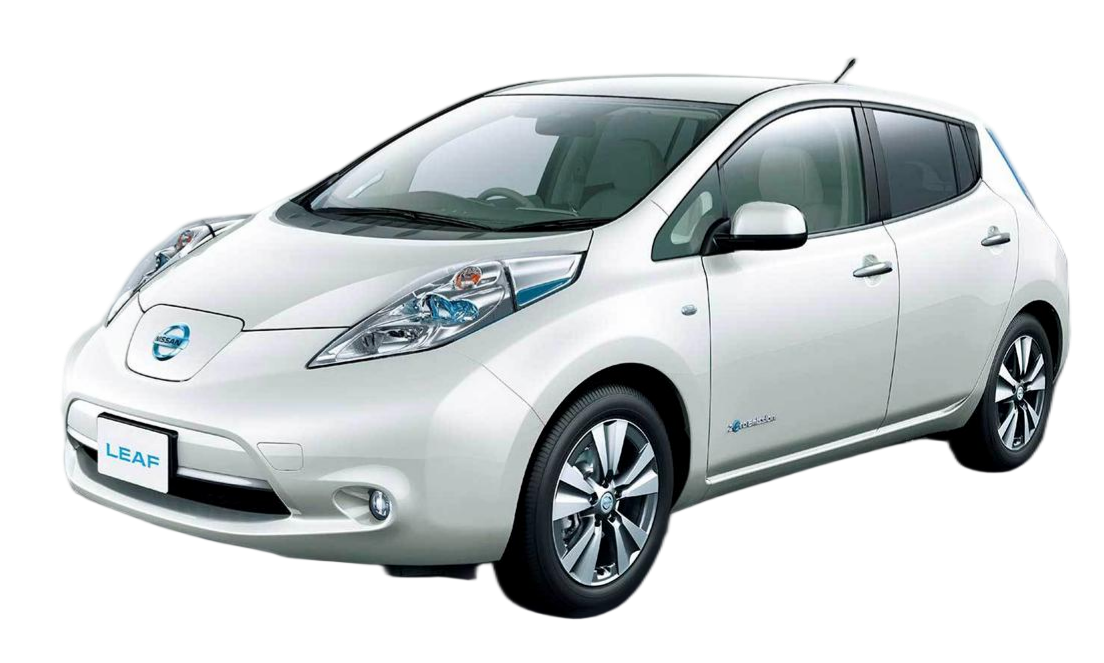
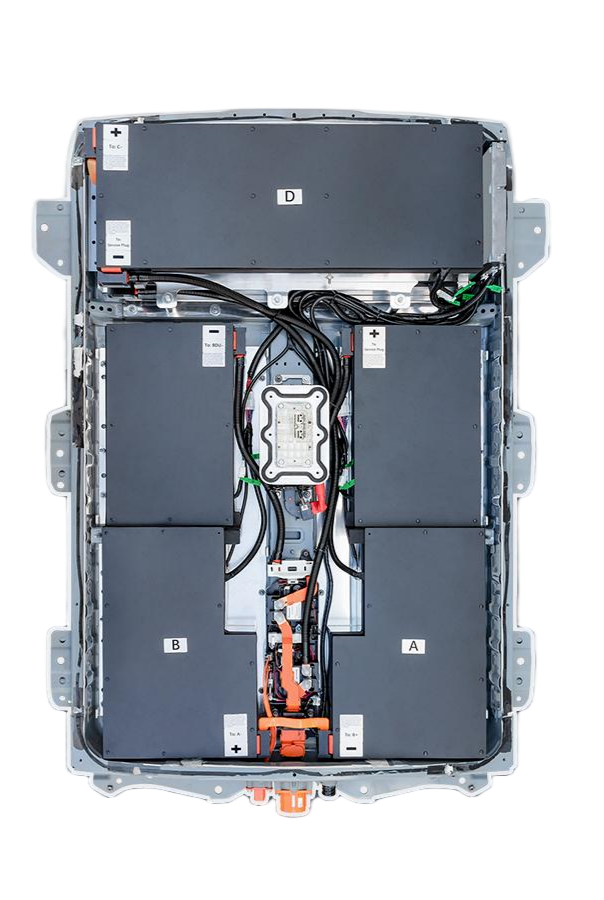
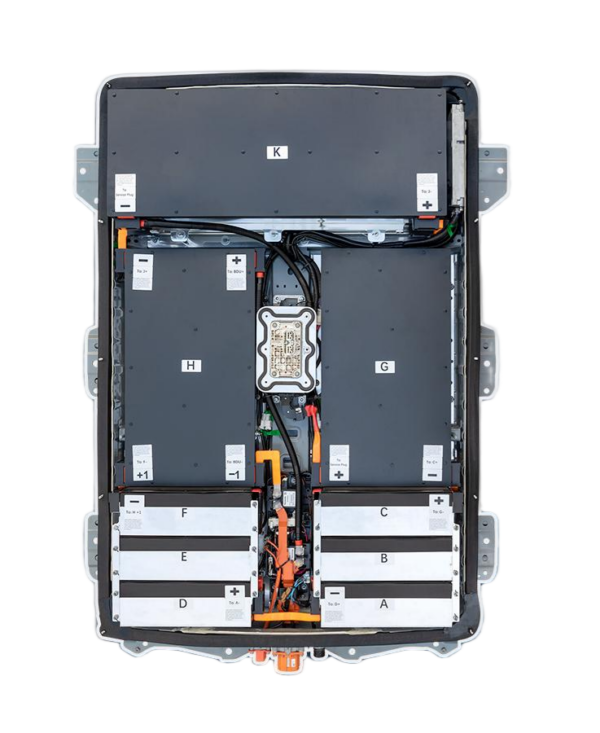
The short answer is a resounding yes—but only if you source the right components. If you own a Nissan Leaf (ZE0, AZE0, or ZE1) or an e-NV200, upgrading to a “Leaf Plus” style battery pack (typically 62kWh or 68kWh) is arguably the single most effective modification you can make to extend your car’s lifespan.
However, the keyword here is “Safe.” The electric vehicle (EV) conversion market is flooded with options, but the difference between a reliable daily driver and a roadside hazard lies in the cell chemistry and the Battery Management System (BMS).
Let’s break down why this upgrade is worth it for personal use and how to ensure you get a safe, factory-grade solution.
Why Upgrade to a Leaf Plus Battery?
The “Leaf Plus” refers to the newer generation of Nissan Leaf batteries that offer significantly higher capacity than the older 24kWh or 30kWh packs.
1. Reviving Your Range
If you drive a 2011-2017 Nissan Leaf, the original battery has likely degraded significantly. An upgrade to a 62kWh or 68kWh lithium battery pack effectively doubles your driving range.
- Old Reality: Struggling to reach 80km on a good day.
- New Reality: Enjoying a consistent 430km+ range, making highway driving and daily commutes stress-free.
2. The “New Car” Feeling Without the Price Tag
Replacing a worn-out Leaf with a new EV can cost upwards of $30,000-$40,000. A professional battery swap can achieve similar results for roughly 50% of the cost of an OEM replacement and a fraction of the cost of a new car.
3. Compatibility and Plug-and-Play
Unlike generic EV conversions, a true Leaf Plus upgrade is designed to OEM specifications. This means:
- No modifications to the chassis.
- No need to rewrite the entire vehicle’s software (in most cases).
- Retention of the original dashboard displays and charging logic.
The Safety Factor: Why “Plus” Must Mean “Protected”
When searching for a “Safe Leaf Plus Battery,” you must look beyond the kWh rating. Safety in lithium batteries is dictated by three factors: the cell manufacturer, the BMS, and the thermal design.
The Cell Quality Check
Not all lithium cells are created equal. For personal use, you need a battery built with Brand New CATL (Contemporary Amperex Technology Co. Limited) cells or equivalent Tier-1 manufacturers.
- The Risk: Many cheap “Plus” kits on the market use recycled or repurposed cells from other industries. These cells have unknown histories, uneven chemical balances, and are prone to swelling or thermal runaway.
- The Standard: A safe battery uses prismatic cells with a Nickel-Manganese-Cobalt (NMC) chemistry, specifically designed for automotive traction.
The Brain of the Battery: BMS
The Battery Management System is what keeps you safe. A high-quality BMS does more than just monitor voltage; it actively prevents short circuits, over-current, over-charging, and over-discharging.
Expert Insight: At CNS, we design our BMS to communicate seamlessly with the Nissan Leaf’s Vehicle Control Unit (VCU). This ensures that if the car detects an anomaly, it enters “Limp Mode” rather than cutting power abruptly, protecting both the driver and the hardware.
Real-World Value: Is It Worth the Investment?
Let’s look at the financial breakdown of upgrading a 2013-2017 Nissan Leaf ZE0 to a 62kWh Leaf Plus configuration.
| Cost Factor | OEM Replacement (New Leaf) | Professional Leaf Plus Swap (CNS Battery) | Savings/Value |
|---|---|---|---|
| Hardware Cost | $16,000+ (OEM Pack) | $7,800 – $9,000 (Premium New Cells) | ~50% Cheaper |
| Labor | Included (New Car) | $500 – $1,500 (Mechanic/ DIY) | DIY Option Available |
| Result | New Car Payment | Like-New Range in Current Car | Zero Depreciation Hit |
The Verdict on Value: If you are mechanically inclined or have access to a local mechanic, the Return on Investment (ROI) is immediate. You are not buying a battery; you are buying an extra 5-8 years of usable life for your vehicle.
Avoiding the “Cheap” Trap
Many users are lured by “budget” Leaf Plus batteries priced significantly lower than the market average. As a battery expert, I strongly advise against these for personal use.
- The Danger: Low-cost batteries often skip critical safety features like Cell-to-Pack (CTP) technology or robust fire-retardant casings. They may use B-grade cells or even re-welded modules from salvage yards.
- The Consequence: A cheap battery might work for six months, but when it fails, it often does so catastrophically (fire, explosion, or total car damage).
Pro Tip: Always ask the supplier for the MSDS (Material Safety Data Sheet) of the cells they are using. If they cannot provide documentation from a major manufacturer like CATL, walk away.
Why Choose a Professional Solution for Your Upgrade?
For a “Safe Leaf Plus Battery,” you need a partner that treats your car with the same respect as the factory did. This is where choosing a specialized manufacturer matters.
1. Warranty You Can Trust Personal use means peace of mind. Look for a supplier that offers a minimum 2-year / 80,000km warranty. This coverage should include:
- Free replacement for manufacturing defects.
- Prorated coverage for capacity degradation (ensuring the battery stays above 70% health).
2. Technical Support, Not Just a Product Swapping a battery can be daunting. A reliable supplier provides:
- Video Call Support: Real-time guidance from engineers during installation.
- Detailed Manuals: Step-by-step instructions specific to your Leaf model year.
3. OEM-Level Engineering A safe upgrade isn’t just dumping cells into a box. It requires:
- Precise Interface Matching: Connectors must plug directly into your Leaf’s harness without splicing wires.
- Thermal Management: Proper cooling channels to prevent overheating during summer drives.
Conclusion: A Safe Bet for the Future
Upgrading to a Safe Leaf Plus Battery is absolutely worth it for personal use. It transforms an aging city car into a capable long-range EV.
However, do not compromise on safety. The market is saturated with risky DIY kits and recycled junk. For your family’s safety and the longevity of your vehicle, invest in a solution built with brand-new, high-quality cells and backed by a professional warranty.
If you are ready to extend your range and improve your safety, get a free compatibility check for your specific Nissan model today.
Get Your Free Custom Quote Now
Frequently Asked Questions (FAQ)
1. How long does a Leaf Plus battery upgrade last?
With proper maintenance and high-quality new cells (like CATL), a Leaf Plus battery can last 8-10 years or more. Most professional suppliers guarantee the battery will retain at least 70% capacity over the first 2 years or 80,000km of use.
2. Can I install the Leaf Plus battery myself?
Yes, but it is recommended for experienced individuals. The physical installation is often “plug-and-play,” taking a professional mechanic roughly 1-2 hours. However, the critical step is the BMS programming. If you are not familiar with OBD2 scanning tools and high-voltage safety protocols, it is safer to hire a certified technician to avoid voiding the warranty or causing a short circuit.
3. Is the Leaf Plus battery legal and compatible with all Nissan Leafs?
The Leaf Plus battery (62kWh) is physically and electrically compatible with most Nissan Leaf ZE0, AZE0, and ZE1 models (2011-2023). Regarding legality, as long as the battery meets your region’s electrical safety standards (such as UN38.3 for transport and local E-Mark or DOT regulations), it is legal to install. Reputable manufacturers design their packs to OEM specifications, ensuring they do not trigger error codes on the dashboard.
4. What is the main difference between a “Safe” battery and a cheap one?
The difference is in the cells and the BMS. A “Safe” battery uses brand-new, automotive-grade prismatic cells from top-tier manufacturers. A cheap battery often uses recycled “pouch” cells or B-grade rejects. Additionally, a safe battery has a redundant BMS that actively prevents thermal runaway, while a cheap battery might only have a basic protection board.