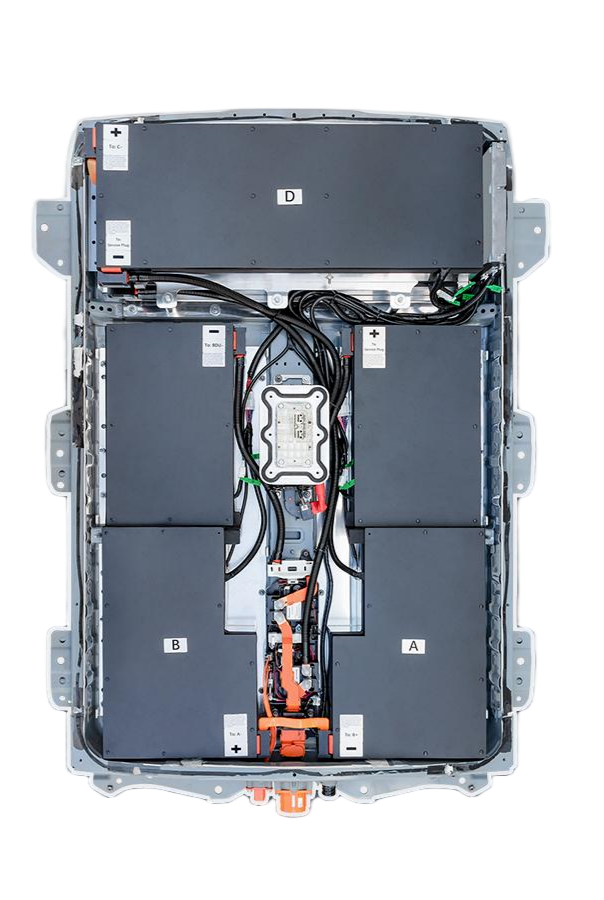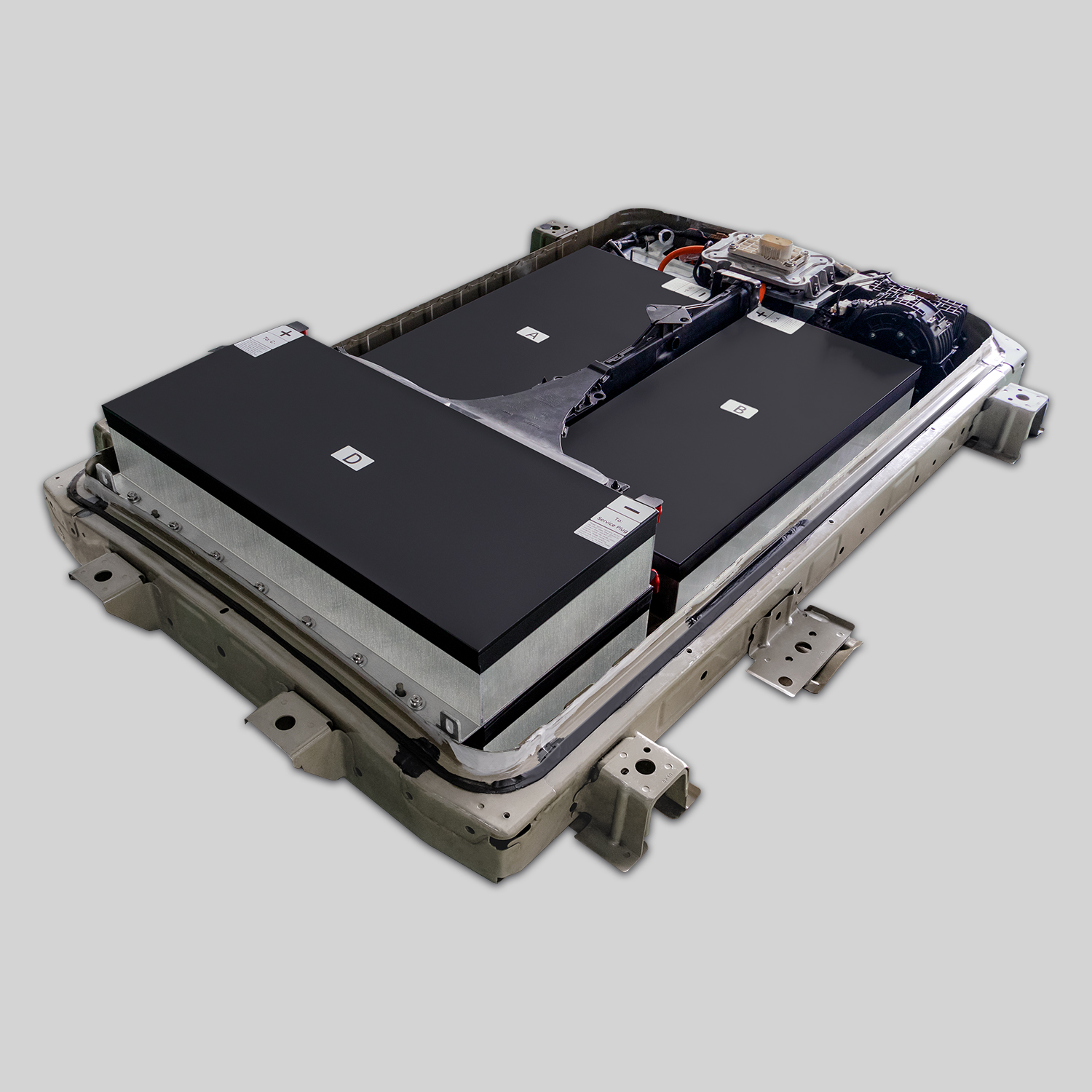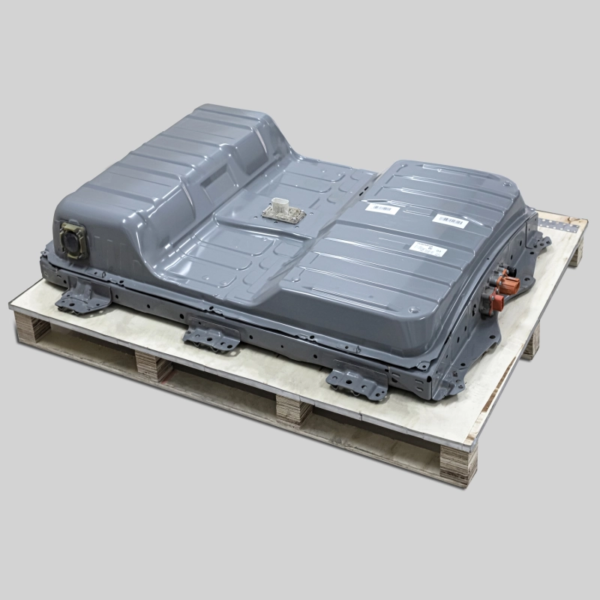
🛠️ Nissan Leaf LFP Battery vs Accio: The Ultimate Installation & Performance Guide
The Nissan Leaf is a pioneer in the electric vehicle (EV) market. However, as these vehicles age, the original batteries often face degradation, leading owners to seek reliable replacements or upgrades. Two prominent options in the market are the modern Lithium Iron Phosphate (LFP) batteries and the Accio battery modules.
As a leading manufacturer of high-performance automotive power batteries, CNS Battery understands the intricacies of these upgrades. This guide provides a comprehensive comparison of the Leaf LFP battery vs Accio, focusing on installation complexity, performance, and long-term value to help you make an informed decision.
⚡ Understanding Your Options: LFP vs Accio
Before diving into the installation process, it is crucial to understand the fundamental differences between these two technologies.
🔋 Lithium Iron Phosphate (LFP) Batteries
LFP technology represents the latest advancement in battery chemistry. Known for its safety and longevity, LFP chemistry offers a distinct advantage over the older Lithium Nickel Manganese Cobalt Oxide (NMC) chemistry found in most original Leaf batteries.
- Chemistry: Uses Lithium Iron Phosphate, which is inherently more stable and less prone to thermal runaway.
- Lifespan: Offers a significantly longer cycle life, often exceeding 3000 cycles while maintaining over 80% capacity.
- Voltage Curve: Features a flat voltage curve, meaning the battery holds a consistent voltage throughout the discharge cycle, providing steady power delivery.
⚙️ Accio Battery Modules
The Accio battery is a specific aftermarket solution designed as a “drop-in” replacement for the Nissan Leaf. It typically utilizes refurbished or repurposed cells from the original manufacturer (OEM) or other sources.
- Design: Engineered to fit directly into the existing Leaf chassis without major modifications.
- Cell Source: Often utilizes salvaged or second-life cells, which can vary in quality and remaining lifespan.
- Performance: Generally aims to replicate the original factory specifications rather than improve upon them.
📏 Performance Comparison: Specs Breakdown
To visualize the differences, let’s compare these options based on key performance indicators:
| Feature | Leaf LFP Battery (New Build) | Accio Battery Modules | Original Nissan Leaf Battery |
|---|---|---|---|
| Chemistry | LFP (LiFePO4) | NMC (Typically Refurbished) | NMC (Original) |
| Cycle Life | 3,000+ cycles | 500-1,000 cycles (Varies) | Degrading (Varies) |
| Safety | Excellent (Thermal Stable) | Good (Standard) | Standard |
| Cold Weather | Moderate (Heating Required) | Moderate | Moderate |
| Price Point | Moderate (New Tech) | Low to Moderate | N/A (Replacement) |
Key Insight: While the Accio modules offer a budget-friendly “like-for-like” replacement, the LFP upgrade represents a significant technological leap forward in terms of durability and safety.
🛠️ Installation Guide: LFP vs Accio
Installing a new battery is a critical step. Whether you are a DIY enthusiast or a professional technician, understanding the process ensures a smooth transition.
1. Pre-Installation Preparation
Before opening the hood, gather your tools and ensure safety.
- Safety First: Always disconnect the 12V auxiliary battery first to cut power to the vehicle’s systems.
- Tools Needed: Insulated wrenches, torque wrench, jack stands, and personal protective equipment (PPE).
- Environment: Work in a dry, well-ventilated area away from flammable materials.
2. Removing the Old Battery
Both the LFP and Accio installations require removing the old battery pack.
- Drain Coolant: If your Leaf model (like the AZE0 or later) uses a liquid-cooled system, drain the coolant into a sealed container.
- Disconnect HV: Disconnect the High Voltage (HV) interlock loop and the main contactors.
- Physical Removal: The Nissan Leaf battery is heavy. Use a transmission jack or a dedicated EV battery lift to remove the pack safely.
3. Installing the Leaf LFP Battery
Installing an LFP pack, especially a custom one from CNS, requires attention to the Battery Management System (BMS).
- BMS Configuration: Unlike simple drop-in modules, an LFP battery often requires the BMS to be programmed to match the Leaf’s specific voltage requirements and communication protocols. CNS batteries are pre-programmed for OEM compatibility, ensuring seamless integration.
- Connection: Connect the HV cables and signal wires according to the color-coded guide provided. The flat voltage curve of LFP means the car’s software may need to adapt slightly to the new voltage readings, but modern BMS units handle this automatically.
- Cooling System: Reconnect the coolant lines (if applicable) and refill with the correct coolant mixture.
4. Installing Accio Modules
The Accio system is designed for simplicity.
- Plug-and-Play: The modules are designed to slot directly into the existing racks.
- Wiring: The harnesses are typically designed to mimic the original OEM connectors.
- Limitation: Since Accio often uses older cell technology, the BMS might not offer the same level of customization or data logging as a modern LFP build.
🤔 Why Choose a Custom LFP Upgrade Over Accio?
While the Accio modules offer a quick fix, upgrading to a custom LFP battery pack offers distinct advantages:
1. Superior Longevity and Peace of Mind
An LFP battery will outlast the vehicle itself. With a cycle life of over 3000 cycles, you are essentially buying a “lifetime” battery for your Leaf. This eliminates the worry of having to replace the battery again in 3-5 years, a common concern with refurbished Accio modules.
2. Enhanced Safety Profile
LFP chemistry is renowned for its thermal stability. In the rare event of a crash or internal short circuit, LFP batteries are far less likely to catch fire compared to NMC batteries (used in Accio and original Leafs). This provides a safer driving experience for you and your family.
3. Better Value Over Time
Although the upfront cost of a new LFP build might be higher than purchasing used Accio modules, the cost-per-mile is significantly lower due to the extended lifespan. You are not just replacing a battery; you are upgrading the core technology of your vehicle.
💡 Expert Tips for a Successful Installation
Based on years of technical experience at CNS Battery, here are some pro-tips for your installation:
- Torque Settings: Do not overtighten the HV cable terminals. Use a torque wrench to ensure the correct specification (usually around 5-7 Nm) to prevent stripping threads or causing resistance.
- BMS Calibration: After installation, allow the BMS to fully calibrate. This usually involves a full charge and a full discharge cycle to ensure the State of Charge (SOC) reading on your dashboard is accurate.
- Physical Fitment: While both options fit the chassis, ensure that the new battery does not interfere with the underbody shielding. A properly fitted battery should sit flush and secure.
📝 Conclusion
Choosing between a Leaf LFP battery and Accio modules ultimately depends on your goals. If you are looking for a temporary, budget-conscious solution to keep the car running, Accio might suffice. However, if you view your Nissan Leaf as a long-term asset and want to upgrade its performance, safety, and lifespan, a custom LFP battery replacement is the superior choice.
At CNS Battery, we specialize in providing high-quality, OEM-compatible LFP solutions for Nissan Leafs. Our batteries are built with brand-new, top-tier cells and undergo rigorous testing to ensure they exceed industry standards.
Ready to revive your Nissan Leaf with a premium battery solution?
Contact our technical experts now for a free customization quote.
❓ Frequently Asked Questions (FAQ)
Q1: Is the installation of an LFP battery more complex than Accio? While both require mechanical skill, the LFP installation involves BMS programming. However, CNS Battery provides pre-programmed units and detailed video guides, making the process straightforward even for experienced DIYers.
Q2: Will an LFP battery work with my Leaf’s existing charging system? Yes. Our LFP batteries are designed to be fully compatible with the Nissan Leaf’s onboard charger and thermal management systems, ensuring safe and efficient operation.
Q3: What is the warranty on a custom LFP battery vs Accio? CNS Battery offers an industry-leading 2-year / 80,000 km warranty on our automotive batteries, covering defects and performance degradation. Accio warranties vary significantly depending on the seller and the condition of the used cells.
Q4: Can I upgrade the capacity (kWh) with an LFP build? Absolutely. One of the major advantages of a custom LFP build is the ability to increase your kWh rating (e.g., upgrading from 40kWh to 62kWh or higher), significantly extending your driving range. Accio modules are generally limited to the original capacity.