🚀 Your Ultimate Guide to Buying Nissan Leaf Batteries Wholesale for Personal Use
So, you’ve decided to breathe new life into your Nissan Leaf or e-NV200. You know that time and mileage have taken their toll on the original pack, and you’re looking for a solution that doesn’t break the bank. You’ve landed on the idea of buying wholesale. But how do you navigate the world of wholesale lithium batteries when you’re just one person looking to fix your car?
As a professional in the EV battery industry, I often get asked: “Can I buy a wholesale battery just for myself?” The short answer is yes, but you need to know the right channels. Manufacturers like CNS Battery don’t just sell to giant corporations; we offer direct-to-consumer wholesale pricing because we cut out the middleman markup.
Here is your step-by-step strategy to select the perfect wholesale battery pack for your personal Nissan Leaf or e-NV200.
🤔 Why “Wholesale” Doesn’t Mean Buying a Truckload
First, let’s dispel a myth. When you buy “wholesale” from a manufacturer like us, you aren’t forced to buy 100 units. Wholesale, in this context, means factory-direct pricing.
Most consumers get stuck between two bad options:
- The Dealership (OEM): Paying $10,000+ for a replacement that is often just a refurbished unit.
- The Marketplace (Retail): Buying from resellers on eBay or Amazon who mark up used or low-quality packs by 30-50%.
Buying wholesale means you contact the Original Equipment Manufacturer (OEM) or a specialized factory (like CNS) directly. This allows you to save 50% or more compared to the dealership, getting a brand-new pack for the price of a used one.
📋 Step 1: Identify Your Exact Nissan Model & Year
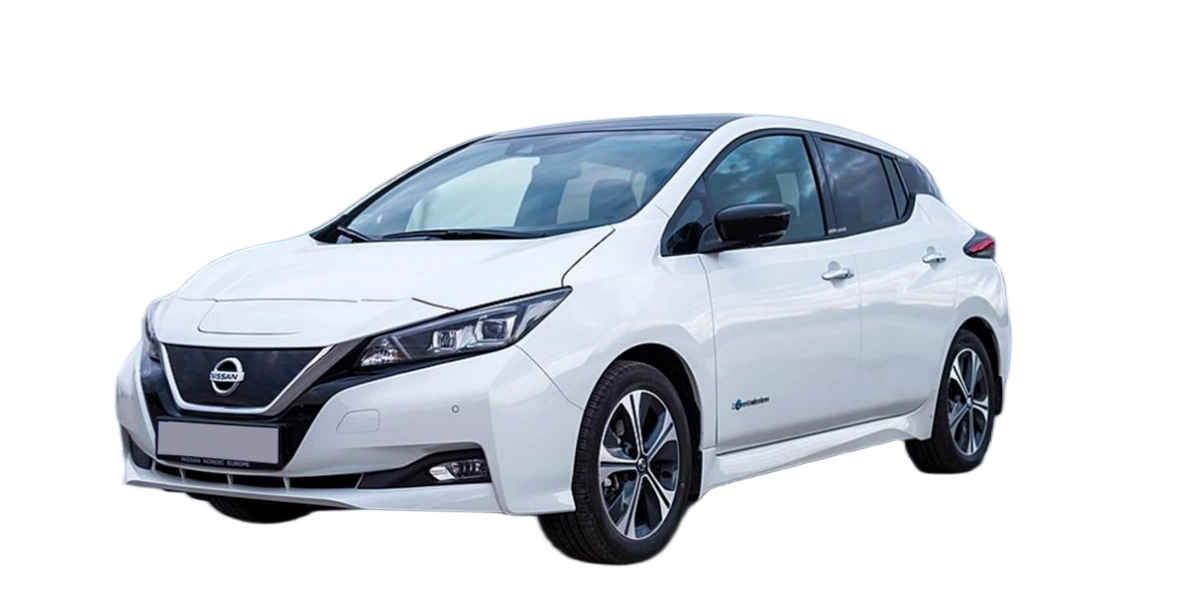
Before you look at prices, you must know your car’s “language.” Nissan Leafs have three distinct generations, and mixing them up is the #1 mistake buyers make.
| Model Generation | Years | Common Battery Sizes (kWh) | Key Identifier |
|---|---|---|---|
| ZE0 (1st Gen) | 2011 – 2017 | 24, 30, 40 | The original “Tardis” shape |
| AZE0 (Face-lift) | 2018 – 2019 | 40, 62 | Updated front fascia, still compact |
| ZE1 (2nd Gen) | 2020 – Present | 40, 62 | Larger, more aerodynamic body |
Pro Tip: If you own an e-NV200, the process is identical, but the mounting brackets differ. Make sure the supplier explicitly lists e-NV200 compatibility.
⚡ Step 2: Choose Your Capacity (kWh) – The Upgrade Opportunity
When buying wholesale, you aren’t just replacing; you’re often upgrading. If your old battery was a 24kWh or 30kWh, you can usually fit a 40kWh or even a 62kWh module into the same space.
- 40kWh: The “Goldilocks” zone. It fits in almost all Leafs (ZE0, AZE0, ZE1) with minimal to no modifications. It roughly doubles the range of a 24kWh pack.
- 62kWh: The “Luxury” upgrade. This gives you modern EV range (approx. 200+ miles). Caution: For ZE0 models (2011-2015), this usually requires a small modification kit (adapter plates) because the original chassis was designed for smaller cells.
- 50kWh: A newer option, often used in commercial e-NV200 vans.
Expert Advice: If you are doing this yourself, I strongly recommend the 40kWh for a plug-and-play experience. The 62kWh requires more technical know-how regarding chassis space and cooling systems.
🔋 Step 3: Verify the Core Components (Don’t Just Buy a Box)
This is where buying wholesale from a reputable manufacturer matters. When you look at a wholesale listing, check these three non-negotiables:
- The Cells (The Heart): What brand are they? At CNS, we use CATL (Contemporary Amperex Technology) cells. CATL is the world’s largest battery manufacturer and supplies Tesla and BMW. If the listing doesn’t specify “Brand New CATL” or a similar Tier-1 brand, walk away. Avoid “Grade A” recycled cells for personal use; they lack longevity.
- The BMS (The Brain): The Battery Management System must be pre-programmed. If it isn’t, you will need expensive software tools to talk to your car, which adds hidden costs.
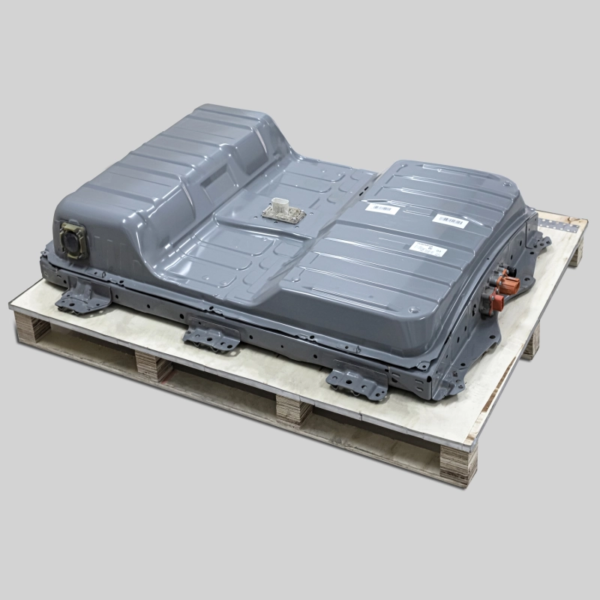
- The Housing (The Skeleton): Is it a complete pack with brackets, or just modules? For personal use, a Complete Pack is essential. You don’t have a welding shop in your garage to rebuild the chassis.
🛡️ Step 4: The Safety Net – Warranty & Support
Buying a car battery is a significant investment. If you buy a “wholesale” pack from a random warehouse with no support, you are taking a massive risk.
When evaluating a wholesale supplier, ask yourself:
- Do they offer a warranty? A serious manufacturer offers at least a 2-year / 80,000 km warranty. This shows confidence in their product.
- Is there Technical Support? If you get stuck at 2 AM trying to wire it, can you call someone? Look for suppliers that offer video call support or dedicated technician emails.
- Is it DDP (Delivered Duty Paid)? Lithium batteries are dangerous goods (UN 3480). A professional wholesale supplier will handle the complex shipping regulations (IATA/IMDG) so you don’t get hit with a $5,000 customs bill.
🛠️ Step 5: Installation – DIY vs. Professional
Let’s be honest. Swapping a battery isn’t changing oil. It requires high-voltage safety gear and knowledge.
- If you are a DIYer: Ensure the supplier provides a detailed video guide. The process involves disconnecting the old pack, lifting it out (it’s heavy!), bolting in the new one, and connecting the HV cables. Make sure the connector types match (often called “Type 2” connectors).
- If you are using a Mechanic: Provide them with the specification sheet. Most mechanics are familiar with the Leaf, but they will appreciate the pre-programmed BMS so they don’t have to recalibrate the entire car.
💡 Why CNS Battery is the Smart Wholesale Choice for You
At CNS Battery, we specialize in bridging the gap between factory production and personal ownership. We aren’t a reseller; we are the source.
Here is why our customers choose us for their personal wholesale needs:
- Zero Middleman Markup: We save you thousands by selling directly.
- Plug-and-Play Design: Our packs for Nissan Leafs are engineered to fit like the original OEM part. No hacking, no splicing wires.
- Global Shipping: We handle the logistics. Whether you are in California, Berlin, or London, we ship DDP, so you know the final price upfront.
- Real Human Support: We don’t hide behind a chatbot. If you have a question about your VIN compatibility, we check it for free.
❓ Frequently Asked Questions (FAQ)
Q1: Can I really buy just one battery at wholesale prices?
A: Absolutely. At CNS, we define “wholesale” as factory-direct pricing. You don’t need to buy in bulk; we sell single units at the same price we would sell to a fleet operator.
Q2: How do I know if the battery is compatible with my specific Leaf?
A: It’s crucial to get this right. Before purchasing, send your VIN (Vehicle Identification Number) to the manufacturer’s support team. At CNS, we offer a free compatibility check to ensure the brackets, connectors, and voltage match your specific year and model.
Q3: Is it safe to install this myself?
A: While it is technically possible, we strongly recommend having a certified electrician or mechanic handle the installation. High-voltage batteries (over 400V) can be lethal if mishandled. If you do DIY, you must wear insulated gloves and follow the torque specifications to the letter.
Q4: What is the lifespan of a wholesale CATL battery?
A: Brand new CATL cells, when managed by a proper BMS (like ours), typically last 8-10 years or 200,000+ miles under normal driving conditions. They degrade much slower than the original Nissan packs from the early 2010s.
Q5: How long does shipping take?
A: Shipping times vary based on your location and the method chosen (Air vs. Sea). Typically, air freight takes 1-2 weeks, while sea freight takes 4-8 weeks. We provide tracking and handle all customs documentation.
Ready to get your Nissan Leaf back on the road with a brand-new, long-range battery?