The Ultimate Guide: Upgrading Your Nissan Leaf to LFP vs. AESC Battery
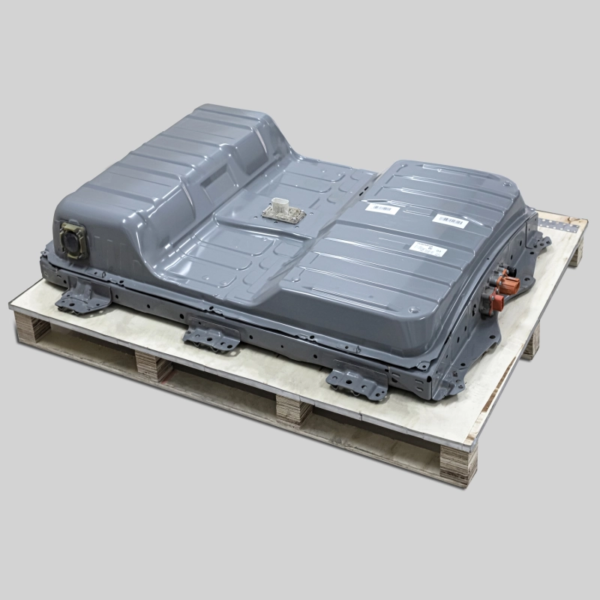
Is your Nissan Leaf’s range suffering from battery degradation? If you drive a 2011-2017 Nissan Leaf (ZE0/AZE0) or a 2018-2022 Leaf (ZE1), you are likely familiar with the anxiety of dwindling mileage. The original AESC LMO (Lithium Manganese Oxide) cells were groundbreaking in their time but are now notorious for rapid capacity loss and thermal sensitivity. Fortunately, the aftermarket offers a superior solution: upgrading to a Lithium Iron Phosphate (LFP) battery pack.
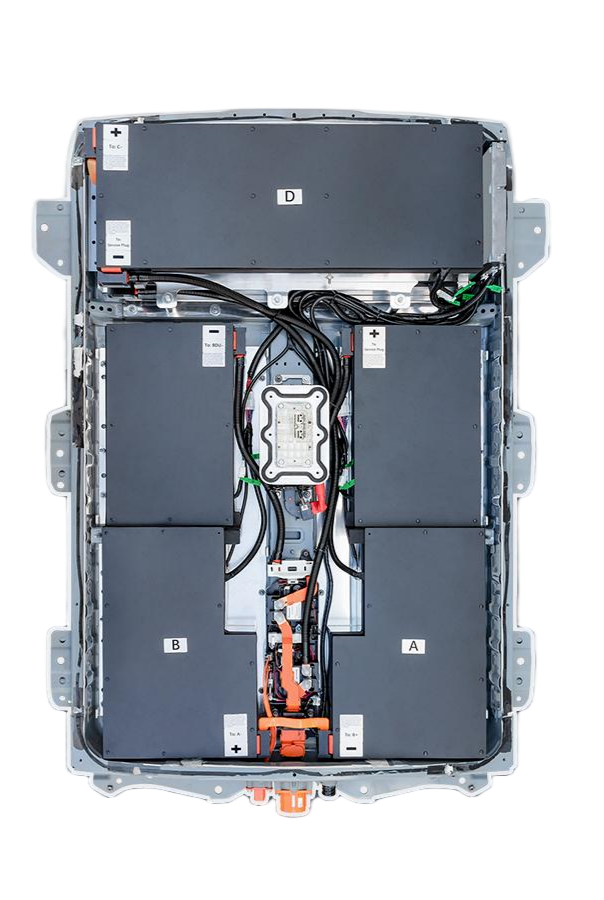
At CNS BATTERY, we specialize in OEM-compatible powertrain solutions for Nissan and BMW. We have helped thousands of owners extend their vehicle’s lifespan by replacing degraded AESC modules with our high-performance, brand-new CATL LFP battery packs. In this guide, we break down the critical differences between these two technologies to help you make the best decision for your EV.
Why Upgrade? The Problem with AESC Batteries
Before diving into the comparison, it is crucial to understand why many owners are seeking alternatives to the factory-installed AESC (Automotive Energy Supply Corporation) batteries.
The Achilles’ Heel of AESC LMO/NMC Cells
The original Nissan Leaf batteries, supplied by AESC, primarily used LMO chemistry (often blended with NMC). While these cells provided decent power output initially, they suffer from significant drawbacks:
- Severe Thermal Sensitivity: AESC batteries degrade rapidly in hot climates. If your Leaf was parked in direct sunlight or driven in summer heat without active cooling, the cells likely suffered irreversible damage.
- Short Lifespan: Unlike modern chemistries, these early-generation cells have a much lower cycle life. It is common for a 2013 Leaf to retain only 50-60% of its original capacity today.
- Voltage Sag: Under heavy load (like highway driving or AC use), the voltage in older AESC packs drops significantly, triggering “Turtle Mode” (reduced power) even when the battery shows remaining charge.
The Result: High replacement costs at dealerships (often $12,000+) and a lack of reliable used packs have pushed the EV community toward third-party LFP upgrades.
LFP vs. AESC: A Technical Comparison
When you choose CNS BATTERY, you are not just buying a replacement; you are upgrading your vehicle’s core technology. Here is how our New Generation LFP packs compare to the legacy AESC units.
1. Chemistry & Safety
- AESC (LMO/NMC): These cells use a liquid electrolyte that is more reactive at high temperatures. This makes them prone to thermal runaway if damaged or overheated.
- CNS LFP (Lithium Iron Phosphate): We utilize brand-new cells from CATL, the world’s leading battery manufacturer. LFP chemistry is inherently more stable. The bond between the phosphorus and oxygen atoms is much stronger than in manganese or nickel-based cells, making them virtually immune to thermal runaway. This means ultimate safety for you and your family.
2. Cycle Life & Durability
- AESC: Typically rated for 1,000 – 1,500 cycles before significant degradation.
- CNS LFP: Our LFP batteries are rated for over 3,000+ cycles while maintaining over 70% capacity. This translates to a lifespan that is often double or triple that of the original AESC pack. You are not just fixing the car; you are future-proofing it.
3. Performance in Extreme Conditions
- AESC: Performance drops drastically in winter (less range) and summer (risk of overheating).
- CNS LFP: While LFP has a slightly lower energy density, it has a flatter discharge curve. This means the voltage remains stable throughout the discharge cycle, preventing the “Turtle Mode” issues common in old AESC packs. Additionally, LFP handles high temperatures much better, making it ideal for diverse climates.
The CNS BATTERY Advantage: Why Choose Our LFP Upgrade?
Simply switching from AESC to LFP is a massive upgrade, but CNS BATTERY adds layers of value that standard replacements cannot match.
Brand-New Quality vs. Refurbished Risks
Many “replacement” AESC batteries on the market are actually refurbished or salvaged from junkyards. These packs often contain mismatched cells with unknown degradation levels, leading to swelling, sudden failure, and a frustratingly short second life.
- Our Promise: We use 100% Brand-New CATL Cells. You are not buying someone else’s used battery; you are getting a factory-fresh powertrain built to OEM standards.
Cost Efficiency
Replacing an AESC battery at a Nissan dealership is prohibitively expensive. Even the aftermarket AESC replacements often cost 70-80% of the OEM price.
- Our Value: Our LFP upgrade costs approximately 50% less than an original manufacturer battery. For half the price, you get a longer warranty and superior technology.
Seamless Integration
We understand the fear of compatibility issues. Our R&D team has spent years reverse-engineering the Nissan Leaf’s BMS (Battery Management System).
- Plug-and-Play: Our packs are designed for perfect OEM fitment. The dimensions, connectors, and communication protocols match your Leaf (ZE0, AZE0, ZE1, e-NV200) exactly. No modifications are required.
Unbeatable Warranty
We back our confidence in LFP technology with a 24-month / 80,000 km warranty. This coverage is significantly longer than what most refurbished AESC sellers offer and includes protection against defects and performance degradation.
Real-World Results: What to Expect After Your Upgrade
Based on our extensive customer data and feedback, here is what you can anticipate after installing a CNS LFP battery:
- Range Restoration: A 40kWh Leaf that was struggling to reach 80km will return to a reliable 240km+ range.
- Power Consistency: Say goodbye to the “Turtle Mode.” The stable voltage output of LFP ensures your car performs consistently, even with the heater or AC on full blast.
- Long-Term Ownership: With a cycle life of 3000+ charges, this battery will likely outlast the rest of the vehicle’s mechanical components.
Expert Tip: If you are considering a DIY installation, we provide comprehensive video tutorials and 24/7 technical support. However, for those who prefer a professional touch, our team can assist in locating certified installers.
Frequently Asked Questions (FAQ)
1. Is an LFP battery compatible with my Nissan Leaf model?
Yes, absolutely. We support a wide range of models, including the Nissan Leaf ZE0 (2011-2015), AZE0 (2016-2018), ZE1 (2019-2023), and the e-NV200. To ensure perfect compatibility, we recommend providing your VIN to our customer service team for a free assessment before ordering.
2. How much does the installation cost, and how long does it take?
The installation process is straightforward and typically takes 1-2 hours for a professional mechanic. If you are a DIY enthusiast, our plug-and-play design and video guides make it manageable. The cost of labor varies by region, but you save significantly on the hardware cost compared to OEM prices.
3. Does the LFP battery require special charging equipment?
No. Our LFP batteries are designed to work seamlessly with the Nissan Leaf’s onboard charger and all standard EV charging stations (Level 1 and Level 2). No special adapters or modifications are needed.
4. What is the warranty policy if I install the battery myself?
We offer the full 2-year / 80,000 km warranty regardless of whether you install it yourself or use a professional mechanic. However, we strongly recommend following our installation videos carefully to avoid physical damage during the process, as physical damage is not covered under warranty.
5. How does the price compare to buying a used AESC battery?
While a used or refurbished AESC battery might seem cheaper upfront (often $2,000 – $4,000), the risk of immediate failure is high. Our brand-new LFP packs start at a competitive price point that is often comparable to high-end refurbished AESC units, but with the security of a new product and a long warranty.
Ready to revive your Nissan Leaf with the latest LFP technology? Stop suffering from range anxiety and unreliable refurbished packs.
Get Your Free Custom Quote Now
Let CNS BATTERY put your mind at ease with a reliable, long-lasting power solution.