Here is the SEO-optimized article based on your requirements.
🚀 Wholesale Nissan Leaf Lithium Battery vs CATL: The Ultimate Cost & Quality Breakdown
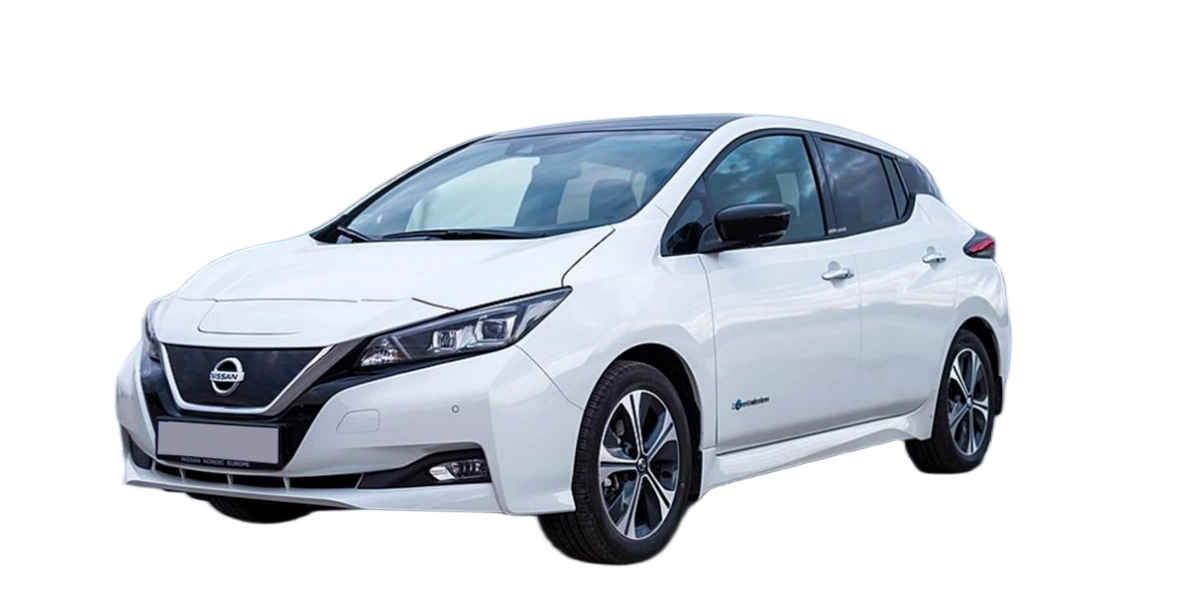
Is your Nissan Leaf or e-NV200 struggling with range anxiety? You are not alone. As the world’s best-selling electric vehicle for years, the Nissan Leaf fleet is aging, and battery degradation is a common hurdle. When it comes time to replace your pack, the decision often boils down to two critical factors: Cost and Cell Quality.
This guide cuts through the noise to compare the “Wholesale Nissan Leaf Lithium Battery” market with the industry giant, CATL (Contemporary Amperex Technology Co. Limited). We will reveal why a specific type of wholesale solution—specifically those utilizing authentic CATL cells—offers the best value and performance for your EV revival.
⚡ The Heart of the EV: Why Battery Cell Chemistry Matters
Before diving into the “wholesale” vs. “brand” debate, you must understand what powers your car. The Nissan Leaf (ZE0, AZE0, ZE1) and e-NV200 rely heavily on the chemistry and health of their Lithium-ion cells.
Most modern replacements use NMC (Nickel Manganese Cobalt) chemistry. However, not all NMC cells are created equal. You will find three tiers in the market:
- Brand New A-Grade Cells (The Gold Standard).
- Repurposed/Used Cells (From other EV retirements).
- Low-Quality New Cells (From unknown manufacturers).
The Reality Check: If you are looking at a “wholesale” price tag, you might fear you are getting option #2 or #3. However, the landscape has changed. The key is finding a wholesale supplier that utilizes genuine CATL cells.
📊 The Quality Spectrum: What You Are Actually Buying
| Feature | “Wholesale” Market (Generic) | “Wholesale” Market (CATL Cells) | Original Manufacturer (OEM) |
|---|---|---|---|
| Cell Source | Unknown or recycled | Genuine CATL (New) | Proprietary (Often Panasonic/LG) |
| Price Range | Very Low ($$$) | Mid-Range ($$) | Very High ($) |
| Warranty | Often None | 2 Years / 80,000km | 8 Years (Limited) |
| Risk Factor | High (Swelling, Failure) | Low (Reliable) | Low (Reliable) |
| Best For | Short-term fixes | Long-term ownership | Deep pockets |
🏭 CATL vs. The World: Why This Brand Dominates
CATL is not just another battery maker; it is the world’s largest lithium-ion battery producer. They supply giants like Tesla (for standard range models), BMW, and Volkswagen.
When you see a “Wholesale Nissan Leaf Lithium Battery” advertised as using CATL cells, you are essentially getting the same core technology found in brand-new BMW i3s and Tesla Model 3s, but repackaged for your Leaf.
Here is why CATL cells are the “Sweet Spot” for Nissan owners:
- Thermal Stability: CATL cells are renowned for their safety and resistance to overheating, a critical factor for the Leaf’s often criticized thermal management system.
- Energy Density: They offer high capacity in a compact size, allowing for 40kWh, 50kWh, 62kWh, and even 68kWh upgrades that fit the Leaf chassis.
- Cycle Life: Genuine CATL cells can withstand thousands of charge cycles, meaning your “wholesale” battery can last longer than the original pack.
💰 The Wholesale Advantage: Saving 50% Without the Premium
The biggest hurdle for Leaf owners is the exorbitant cost of OEM replacements. Dealerships often quote prices exceeding $16,000 USD for a factory replacement.
This is where the wholesale model wins. By cutting out the massive branding markup and complex dealership logistics, a direct wholesale supplier can offer:
- 50%+ Cost Savings: You can acquire a brand-new, high-quality pack for roughly half the price of a new car battery.
- Direct-to-Consumer Pricing: There are no middlemen mechanics marking up the price.
- Customization: Unlike OEM, which only offers what was originally in your car, wholesale allows you to upgrade (e.g., putting a 62kWh pack in a car that originally had a 24kWh).
Expert Insight: At CNS BATTERY, we specialize in this exact niche. We provide Original Equipment Manufacturer (OEM) compatible packs for Nissan and BMW. Our secret? We use the same high-grade supply chain (including CATL) but sell it directly to you, the owner or repair shop, saving you thousands.
🛠️ The Installation Reality: Leaf ZE0 vs. ZE1
When comparing wholesale options, you must also consider your specific Leaf model. The installation process and compatibility differ significantly.
1. Nissan Leaf ZE0 / AZE0 (2011-2017)
This generation is the most popular candidate for wholesale replacement due to the high failure rate of the older Lizard/Samsung cells.
- The Challenge: The battery layout is complex, and the Battery Management System (BMS) is picky.
- The Solution: A high-quality wholesale CATL pack will come with a reprogrammed BMS. This ensures the car recognizes the new chemistry and manages charging correctly. Look for suppliers who offer BMS programming tools or pre-programmed units.
2. Nissan Leaf ZE1 (2018+) & e-NV200
These models use more modern modules.
- The Advantage: They are easier to upgrade. A wholesale CATL module can often be a direct plug-and-play replacement, allowing for capacity boosts up to 62kWh or 68kWh, effectively doubling the range of the early ZE1 models.
📝 How to Choose the Right Wholesale Supplier
Not all “wholesale” suppliers are trustworthy. To ensure you are not buying a box of fireworks (literally), verify these 4 points:
- Cell Verification: Can they prove the cells are new and from CATL? Ask for the manufacturer code or batch numbers.
- Warranty Depth: A serious supplier offers a bumper-to-bumper warranty. We recommend looking for at least 2 years / 80,000 km.
- BMS Compatibility: Does the battery come with a compatible BMS, or do you need to buy one separately? The best wholesale deals include everything needed for plug-and-play.
- Logistics Safety: Lithium batteries are dangerous goods. Ensure the supplier uses UN38.3 certified packaging and partners with reputable carriers (DHL, FedEx) for safety.
📈 The Verdict: Upgrade Your EV, Not Your Debt
Choosing a Wholesale Nissan Leaf Lithium Battery does not mean settling for junk. When you select a supplier that utilizes CATL cells, you are choosing the perfect balance of cutting-edge technology and affordable pricing.
You are not just replacing a battery; you are performing restorative surgery on your EV. You can transform a car with a $2,000 scrap value into a reliable daily driver with a $10,000+ range capability.
Ready to bring your Leaf back to life?
Don’t let the fear of “cheap” batteries stop you. Get a free quote today for a brand-new, CATL-cell powered Nissan Leaf battery and see the wholesale difference.
👉 Get Your Free Custom Quote Now
❓ Frequently Asked Questions (FAQ)
Q1: Is a CATL battery better than the original Nissan battery?
A: In terms of raw cell technology, CATL is currently more advanced than the older chemistries Nissan used in the ZE0/AZE0 models. CATL cells offer better thermal stability and higher energy density. However, the integration (welding, BMS, casing) must be done professionally to match OEM standards.
Q2: How much does a wholesale Leaf battery cost?
A: Prices vary based on capacity. Generally, you can expect to pay between $5,000 and $9,000 USD for a brand-new 40kWh to 62kWh pack, depending on the supplier and your location. This is significantly less than the $16,000+ OEM price.
Q3: Can I install a wholesale battery myself?
A: Yes, but it is recommended for professionals or very experienced DIYers. The process involves high-voltage electricity. Most reputable wholesale suppliers (like CNS) provide HD installation videos and remote video support to guide you through the process safely.
Q4: What is the lifespan of a CATL wholesale battery?
A: With proper care, a new CATL cell pack should last 8-10 years or more. They typically retain over 70% capacity after 2000 charge cycles, which translates to hundreds of thousands of miles for most drivers.
Q5: Are there different KWH options for wholesale Leaf batteries?
A: Yes. While the OEM offered specific sizes, the wholesale market allows for upgrades. You can often find 40kWh, 50kWh, 62kWh, and 68kWh options. Upgrading your KWH will directly increase your driving range.