Is Bulk Nissan EV NMC Battery Worth It for DIY Enthusiasts?
For Nissan Leaf or e-NV200 owners, the decision to replace a degraded battery is a critical juncture. As a seasoned expert in electric vehicle (EV) battery solutions, I often encounter a specific dilemma: Is it worth buying a bulk Nissan EV NMC battery for DIY projects?
The short answer is a resounding yes, but with a caveat. It is only worth it if you source brand-new, high-quality prismatic cells—specifically from industry leaders like CATL—and possess the technical skill to assemble them. Buying used or low-grade cells in bulk is a gamble that often leads to premature failure. However, sourcing a professionally assembled pack from a trusted OEM manufacturer like CNS BATTERY offers a superior “plug-and-play” experience that eliminates the risks of DIY cell sorting and welding.
The DIY Dilemma: Cost vs. Complexity
Many enthusiasts are drawn to the idea of purchasing bulk Nissan EV NMC battery cells to save money. On paper, buying loose cells seems cheaper than a complete pack. However, this path is fraught with hidden challenges that can turn a cost-saving project into a costly nightmare.
- The Matching Nightmare: Lithium-ion cells, even from the same production batch, have slight variations in capacity and internal resistance. To build a reliable pack, you need to sort and match hundreds of cells manually. Without professional-grade testing equipment, mismatched cells will cause imbalances, leading to rapid degradation and potential thermal runaway.
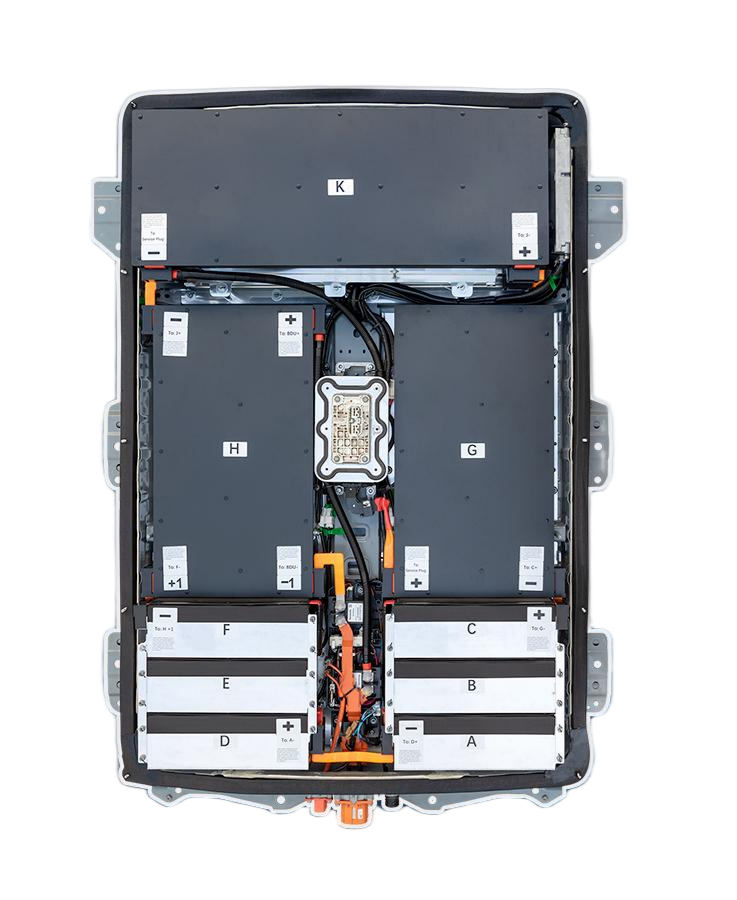
- Precision Engineering Required: Nissan Leaf packs (especially the ZE1 and AZE0 models) use complex prismatic cells. These are not simple cylindrical cells (like 18650s) that are easy to solder. Prismatic cells require specialized laser welding equipment. A bad weld increases resistance, generating heat that can destroy the cell or start a fire.
- BMS Programming: The Nissan Battery Management System (BMS) is proprietary. Even if you physically build the pack, you need specialized software and hardware tools to program the BMS to recognize the new cells. Without this, the car simply won’t drive.
Expert Insight: While the allure of “bulk” pricing is strong, the time, specialized equipment, and risk involved often outweigh the savings for the average DIYer. A pre-assembled, OEM-compatible battery pack saves weeks of labor and guarantees safety standards.
Why Cell Quality is Non-Negotiable
If you are still determined to pursue the bulk route, the type of cell you buy is the single most important factor.
Many sellers on the market offer “bulk” cells that are actually used or retired from other applications. These cells might look new but have hidden degradation. In contrast, brand-new CATL NMC cells—the gold standard used by CNS BATTERY—offer:
- Zero Cycle Count: Brand new cells start with 100% health, ensuring maximum range and longevity.
- Thermal Stability: NMC chemistry, when manufactured to OEM standards, provides excellent thermal stability, which is crucial for safety in a home garage environment.
- Consistency: Factory-sorted cells guarantee that every module in your pack performs uniformly.
CNS BATTERY specializes in providing these high-grade, brand-new cells in both module and full pack formats, ensuring you are not gambling with recycled hardware.
The CNS BATTERY Advantage: OEM Reliability
For DIY enthusiasts who want the performance of a bulk build without the danger, CNS BATTERY offers the perfect hybrid solution. We are not a scrapyard reseller; we are an Original Equipment Manufacturer (OEM).
Here is why our solution is the preferred choice for those who value their time and safety:
- Factory-Grade Precision: Our packs are built using the same brand-new CATL cells found in new Nissan vehicles. We handle the complex sorting, welding, and BMS programming so you don’t have to.
- Plug-and-Play Compatibility: Our batteries are designed to fit Nissan Leaf ZE0, ZE1, AZE0, and e-NV200 models perfectly. There is no need to modify brackets or wiring harnesses.
- Unbeatable Warranty: Unlike bulk cells where you are on your own, we offer a 2-year / 80,000 km warranty. This covers defects and performance degradation, a level of support impossible to find with loose bulk cells.
- Cost Efficiency: While slightly more expensive than loose cells, our packs cost roughly 50% less than the Nissan dealership price, offering the best value for a guaranteed safe solution.
Technical Specifications You Can Trust
When evaluating a battery solution, specifications matter. Here is how the CNS BATTERY stacks up against the common DIY pitfalls:
| Feature | DIY Bulk Cell Build | CNS BATTERY OEM Pack |
|---|---|---|
| Cell Source | Unknown / Mixed batches | Brand-new CATL (Original Manufacturer) |
| Assembly Risk | High (Welding/Sorting errors) | Zero (Factory automated assembly) |
| Warranty | None | 2 Years / 80,000 km |
| Price vs OEM | ~30% cheaper (but high labor cost) | ~50% cheaper than Nissan dealer |
| BMS Support | User must program (Difficult) | Pre-programmed & Ready to Install |
Real-World Performance and Support
The true test of any battery is in the real world. Our customers, ranging from individual owners to repair shops, consistently report that our packs deliver the advertised range and stability.
For DIY enthusiasts, the most valuable asset is often support. If you encounter a wiring issue or a programming hiccup during installation, our technical team provides video call guidance. We don’t leave you hanging with a box of bulk cells; we guide you through the installation to ensure your Nissan is back on the road safely and quickly.
Conclusion: Making the Smart Choice
Purchasing bulk Nissan EV NMC battery cells is a high-risk, high-effort endeavor suitable only for engineers with specialized lab equipment. For the vast majority of DIY enthusiasts, the smarter choice is to opt for a professionally engineered, OEM-compatible battery pack.
By choosing CNS BATTERY, you get the peace of mind that comes with brand-new, factory-sorted cells, combined with the cost savings of avoiding the dealership markup. You save the time of building it yourself while gaining a comprehensive warranty.
Don’t gamble with your EV project. Choose reliability, choose safety, and choose the experts in Nissan EV batteries.
Customize your Nissan EV battery solution today and get a free quote!
Contact Our Technical Experts Now
Frequently Asked Questions (FAQ)
Q1: Can I really install a CNS Battery pack myself?
A: Absolutely. While we recommend a certified technician for warranty purposes, many DIY enthusiasts successfully install our packs. We provide detailed step-by-step video tutorials and PDF manuals. If you can change a tire, you have the mechanical aptitude; the electrical connection is simply a matter of plugging in the connectors (Plug-and-Play).
Q2: What is the difference between a “bulk cell” and a “module” for Nissan Leaf?
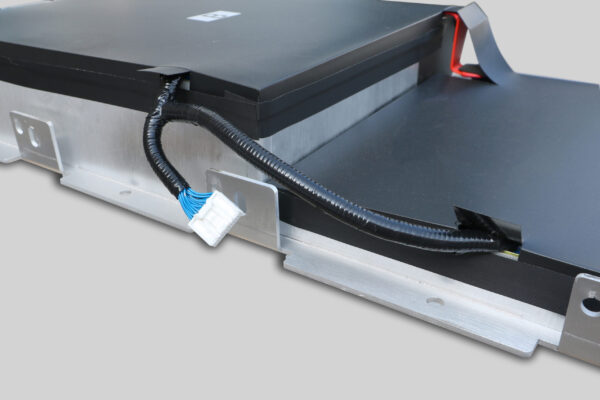
A: Bulk cells are individual loose cells (prismatic or cylindrical) that require you to build the entire structure, weld tabs, and wire the BMS. A module is a pre-assembled section of the battery (usually 4-6 cells connected). For Nissan Leaf ZE1/AZE0 models, we offer both full packs and individual modules if you only need to replace a degraded section of your existing battery.
Q3: How do I know if the battery is compatible with my specific Nissan model?
A: Compatibility is crucial. Before you buy, you can use our free pre-sale compatibility assessment. Simply provide your Vehicle Identification Number (VIN) to our customer service team, and we will confirm within 24 hours whether the battery is a perfect match for your Leaf or e-NV200 year and model.
Q4: What kind of warranty do I get if I install it myself?
A: We offer a standard 2-year / 80,000 km warranty on all our automotive batteries. However, to maintain this warranty, the installation must be performed correctly. If you install it yourself, you must follow our video guides precisely. If a problem arises that is determined to be due to incorrect installation (e.g., cross-threaded bolts, pinched wires), the warranty may be void. We highly recommend having a professional handle the physical swap to avoid this risk.