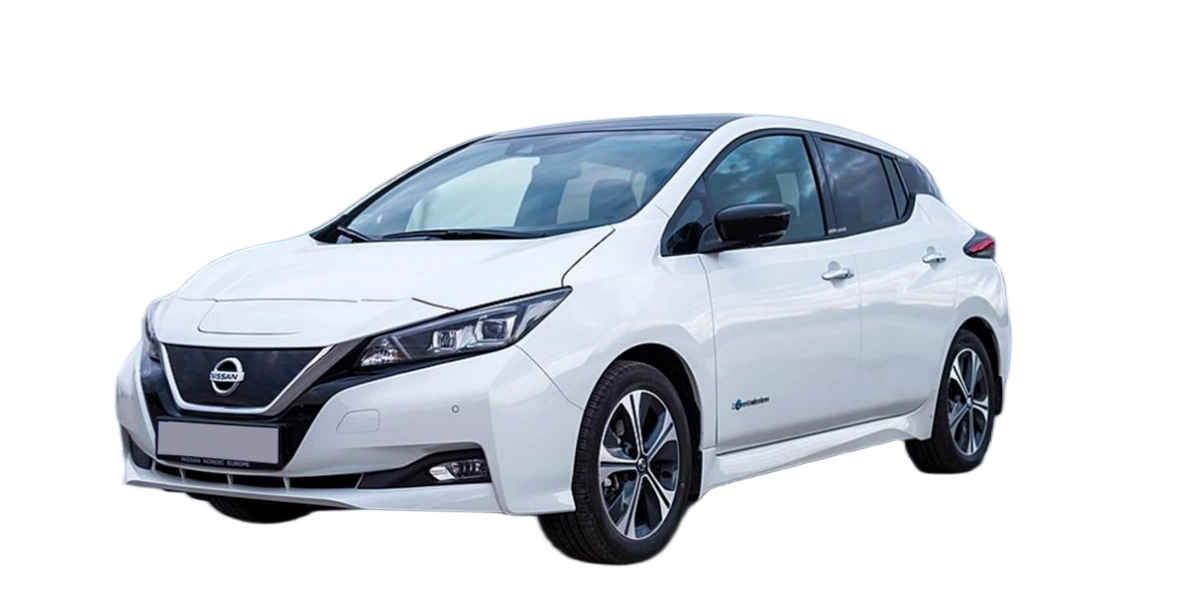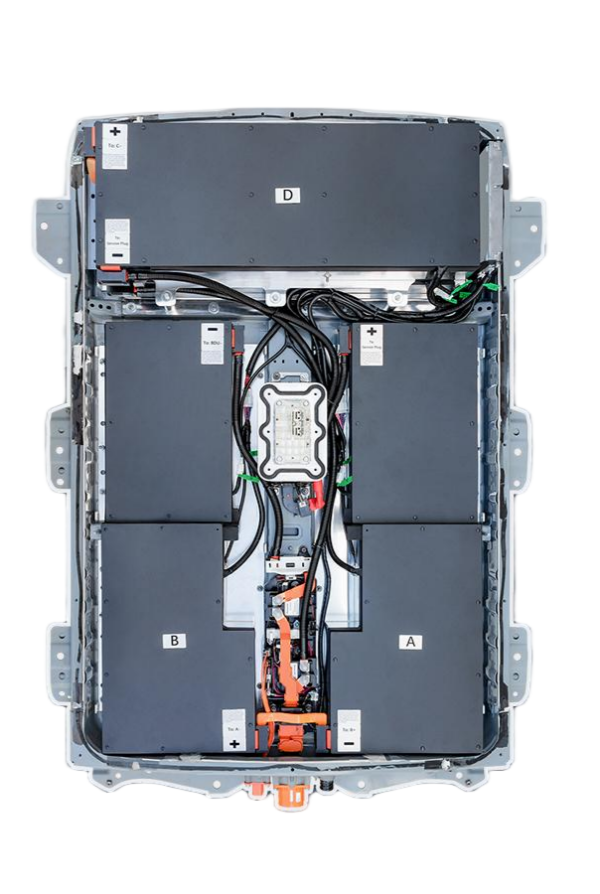
How to Choose the Perfect LFP Battery for Your Nissan Leaf to Eliminate Range Anxiety
Range anxiety is the primary barrier preventing Nissan Leaf owners from enjoying their full electric driving experience. As an EV battery expert, I understand the frustration of seeing your battery capacity degrade over time, turning a once-reliable commuter into a vehicle with limited utility. The solution lies in upgrading to a modern Lithium Iron Phosphate (LFP) battery. Unlike the older Lithium Manganese Oxide (LMO) chemistries found in early Leafs, LFP batteries offer superior longevity, safety, and thermal stability.
However, not all LFP batteries are created equal. Choosing the wrong pack can lead to compatibility issues, voided warranties, or even safety hazards. This guide will walk you through the exact specifications and considerations needed to select a compatible LFP battery that will not only restore your range but potentially double it.
Understanding Why LFP is the Best Choice for Leaf Upgrades
Before diving into the selection process, it is crucial to understand why LFP (LiFePO4) chemistry is superior for Nissan Leaf retrofits compared to the original NMC or LMO cells.
The original Nissan Leaf batteries (especially the 24kWh and 30kWh models) suffer from significant thermal degradation. LFP batteries, on the other hand, are chemically inert. They do not overheat easily and are virtually non-combustible. For a vehicle like the Leaf, which lacks a sophisticated active liquid cooling system (relying primarily on passive or basic air cooling), LFP is the safest and most durable upgrade option available.
At CNS Battery, our R&D is focused on providing OEM-compatible LFP solutions. We design our packs to fit the original Leaf chassis without modifications, ensuring that the Battery Management System (BMS) communicates seamlessly with the vehicle’s logic.
Step 1: Match the Physical Dimensions and Mounting Points
The most critical factor in eliminating range anxiety is ensuring the new battery physically fits your vehicle. Nissan Leafs have evolved through several generations (ZE0, AZE0, and ZE1). You must identify your specific model year and chassis code.
- ZE0/AZE0 (2011-2017 Models): These models have a specific underbody chassis profile. An LFP upgrade for these models often requires a “drop-in” solution where the new modules match the height and width of the original.
- ZE1 (2018+ Models): These have a slightly different mounting structure and often house the battery underneath the cabin floor differently.
Expert Tip: Do not attempt a DIY measurement if you are unsure. At CNS, we offer a free pre-sales compatibility check. Simply provide your VIN, and our technical experts will confirm the exact fitment for your Leaf, ensuring there is no interference with the undercarriage shielding.
Step 2: Selecting the Right Voltage and BMS Compatibility
This is where many owners make mistakes. The Nissan Leaf’s Battery Management System expects a specific voltage curve. While LFP cells have a different nominal voltage (3.2V) compared to the original cells (3.7V-3.8V), a high-quality replacement battery uses a customized BMS to mimic the original voltage profile.
When choosing your LFP battery, you must ensure the manufacturer has programmed the BMS to “trick” the car into reading the State of Charge (SOC) accurately. A poorly programmed BMS will result in the car showing 100% charge when the battery is actually at 60%, leading to unexpected shutdowns—exactly what we are trying to avoid with range anxiety.
Step 3: Calculating the Right Capacity (kWh) for Your Needs
To truly eliminate range anxiety, you need to select a capacity that exceeds your daily driving needs. Here is a quick reference guide for common upgrade paths:
| Original Battery | Upgrade Option (LFP) | Expected Range (EPA Est.) | Best For |
|---|---|---|---|
| 24kWh / 30kWh | 40kWh LFP | 150-170 km | Daily city commutes, errands. |
| 40kWh | 62kWh LFP | 280-300 km | Long commutes, light highway use. |
| 62kWh | 75kWh+ LFP | 350+ km | Road trips, heavy usage, peace of mind. |
Note: Upgrading from a 24kWh to a 62kWh LFP pack is the “sweet spot” for most owners. It effectively doubles the physical range while utilizing the robust LFP chemistry that lasts 3000+ cycles.
Step 4: Verifying Safety and Warranty Protection
Purchasing a battery is a significant investment. To protect yourself, you must verify the warranty terms and safety certifications.
- Warranty Duration: The industry standard for refurbished packs is often short. Look for providers offering a minimum 2-year warranty or 80,000 km. This ensures that if the battery degrades prematurely, you are covered.
- Cell Quality: Ensure the battery uses brand-new Grade A cells from reputable manufacturers like CATL or BYD. Avoid “recycled” or “used” cells for an LFP upgrade, as they defeat the purpose of getting a long-life battery.
- Certifications: Check for UN38.3 certification for safe transportation and MSDS documentation.
Why Choose a CNS LFP Battery Solution?
At CNS Battery, we specialize in solving range anxiety for Nissan and BMW owners. We do not sell generic batteries; we engineer Original Factory Standard solutions.
Our LFP batteries for the Nissan Leaf are designed with the following advantages:
- Plug-and-Play Design: No cutting or splicing wires. The connectors match the original OEM specifications.
- Zero-Failure Reliability: We utilize advanced engineering to ensure the BMS programming is flawless, preventing the dreaded “Turtle Mode” or sudden power loss.
- Cost Efficiency: We save you over 50% compared to dealership replacement costs, allowing you to access high-capacity LFP technology without the premium price tag.
Installation and Getting Back on the Road
Once you have selected your compatible LFP battery, the installation process should be straightforward. While some mechanically inclined owners perform the swap themselves (it typically takes 1-2 hours), we recommend professional installation to maintain warranty validity.
Our support team provides detailed installation manuals and video tutorials. If you encounter any issues during the BMS synchronization, our technical support is available to guide you remotely, ensuring your range anxiety is replaced with the excitement of a “new” electric car.
Frequently Asked Questions (FAQ)
Q1: Will an LFP battery fit in my older Nissan Leaf (2011-2015)?
Yes, absolutely. We design our LFP modules to be dimensionally compatible with the ZE0 chassis. The key is ensuring the BMS is correctly programmed for your specific model year to maintain accurate dashboard readings.
Q2: How much does it cost to upgrade a Nissan Leaf battery?
The cost varies depending on the capacity. Generally, upgrading to a 40kWh LFP pack is significantly cheaper than replacing with an OEM battery. At CNS, our solutions are priced to save you over 50% compared to the original manufacturer, often costing thousands less.
Q3: Is it safe to install a higher capacity battery in my Leaf?
Yes, it is safe when done with a professionally engineered solution. Our batteries are designed to output within the voltage tolerance of the Leaf’s motor and inverter. We do not exceed the electrical specifications that the car’s drivetrain can handle, ensuring safe and reliable operation.
Q4: What is the warranty on a replacement Leaf battery?
CNS Battery offers an industry-leading 2-year or 80,000 km warranty on our automotive batteries. This covers defects in materials and workmanship and includes protection against premature capacity degradation (ensuring the battery maintains at least 70% capacity over the warranty period).
Q5: How long does the battery last?
LFP chemistry is renowned for its longevity. While original Nissan batteries might degrade significantly in 3-5 years, a high-quality LFP battery can last for 10 years or more, with a cycle life exceeding 3000 full charges.
Ready to eliminate range anxiety and extend the life of your Nissan Leaf?
Don’t let an old battery limit your driving freedom. Get a free, personalized quote today and discover how an LFP upgrade can transform your EV experience.