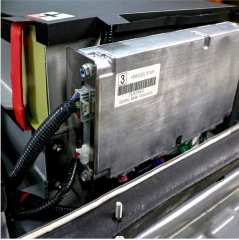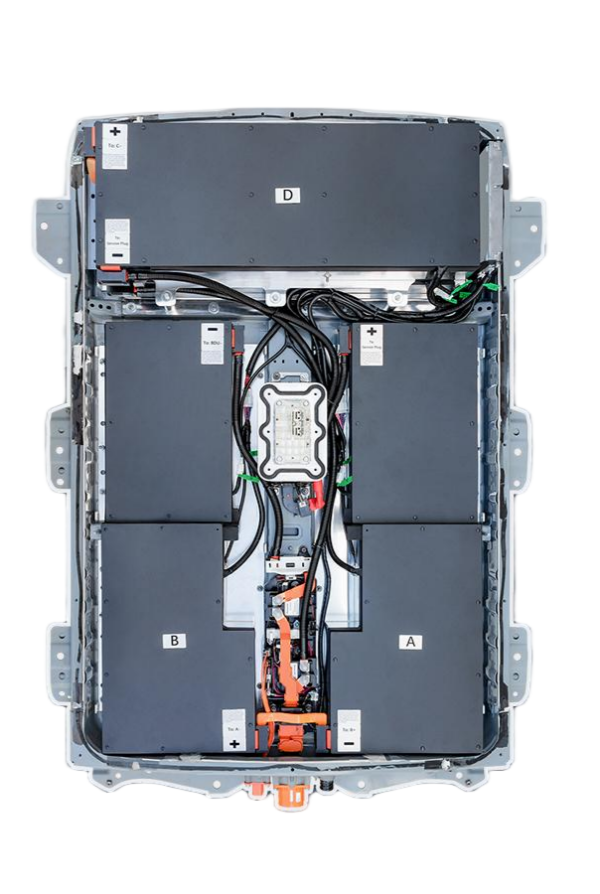
Durable Leaf LFP Battery for Electric Vehicle Repair
Nissan Leaf owners often face a dilemma: the high cost of original equipment manufacturer (OEM) battery replacements versus the reliability risks of refurbished units. For mechanics, fleet managers, and DIY enthusiasts, finding a durable, cost-effective solution is critical for maintaining vehicle uptime and customer satisfaction. Lithium Iron Phosphate (LFP) technology has emerged as a game-changer, offering superior thermal stability and cycle life compared to traditional Lithium Nickel Manganese Cobalt Oxide (NMC) batteries. This article explores how LFP batteries are revolutionizing electric vehicle repair, providing a robust alternative that balances performance, safety, and longevity.
The Case for LFP in EV Repair
LFP batteries are gaining traction in the automotive industry due to their inherent safety and durability. Unlike NMC batteries, LFP chemistry is less prone to thermal runaway, making it a safer choice for repair shops and end-users. Additionally, LFP batteries typically offer a longer cycle life, often exceeding 3,000 to 5,000 cycles, which translates to a longer operational lifespan for the vehicle. This durability is particularly beneficial for high-mileage applications, such as taxis or delivery vehicles, where battery degradation is a significant concern.
Advantages of LFP Technology
The shift towards LFP technology is driven by several key advantages:
- Safety: LFP batteries have a more stable chemical structure, reducing the risk of fire or explosion.
- Longevity: With a higher cycle life, LFP batteries maintain their capacity over a longer period, reducing the frequency of replacements.
- Cost-Effectiveness: The absence of cobalt and nickel in LFP chemistry makes these batteries more affordable to produce, offering a lower total cost of ownership.
Integration and Compatibility
Integrating an LFP battery into a Nissan Leaf requires careful consideration of the Battery Management System (BMS) and vehicle electronics. Modern LFP batteries are designed to be compatible with existing Leaf models, often requiring minimal modifications to the vehicle’s software or hardware. This compatibility ensures a seamless installation process, allowing repair shops to service vehicles efficiently without extensive retraining or specialized tools.
Cost Analysis and Return on Investment
When evaluating the cost of an LFP battery replacement, it is essential to consider the long-term return on investment. While the upfront cost may be higher than a refurbished NMC battery, the extended lifespan and reduced maintenance requirements of LFP batteries result in lower overall expenses. For repair shops, offering LFP battery replacements can enhance service offerings and attract customers seeking reliable, long-term solutions.
Environmental Impact
The environmental benefits of LFP batteries extend beyond their operational efficiency. The materials used in LFP batteries are more abundant and less environmentally damaging to extract than those used in NMC batteries. Additionally, the longer lifespan of LFP batteries reduces the frequency of battery disposal, contributing to a reduction in electronic waste.
Frequently Asked Questions (FAQ)
1. Is an LFP battery compatible with all Nissan Leaf models?
While LFP batteries are compatible with many Nissan Leaf models, it is crucial to verify the specific requirements of your vehicle. Consulting with a technical expert can ensure that the battery specifications match your vehicle’s needs.
2. How does the installation process for an LFP battery differ from a standard replacement?
The installation process for an LFP battery is similar to that of a standard battery replacement. However, it may require specific programming or calibration of the BMS to ensure optimal performance. Detailed installation guides and technical support are available to assist with this process.
3. What is the expected lifespan of an LFP battery in a Nissan Leaf?
LFP batteries typically offer a cycle life of 3,000 to 5,000 cycles, which can translate to over 10 years of service in a Nissan Leaf, depending on usage patterns and charging habits.
4. Are LFP batteries more expensive than traditional NMC batteries?
While the initial cost of an LFP battery may be higher than a refurbished NMC battery, the long-term savings from reduced maintenance and longer lifespan make LFP batteries a more cost-effective solution over time.
For those seeking a reliable, durable solution for Nissan Leaf battery replacements, LFP technology offers a compelling option that addresses the common challenges of cost, safety, and longevity. By choosing a high-quality LFP battery, repair shops and vehicle owners can ensure their vehicles remain operational and efficient for years to come.
For personalized assistance with your Nissan Leaf or e-NV200 battery needs, contact our technical experts today.