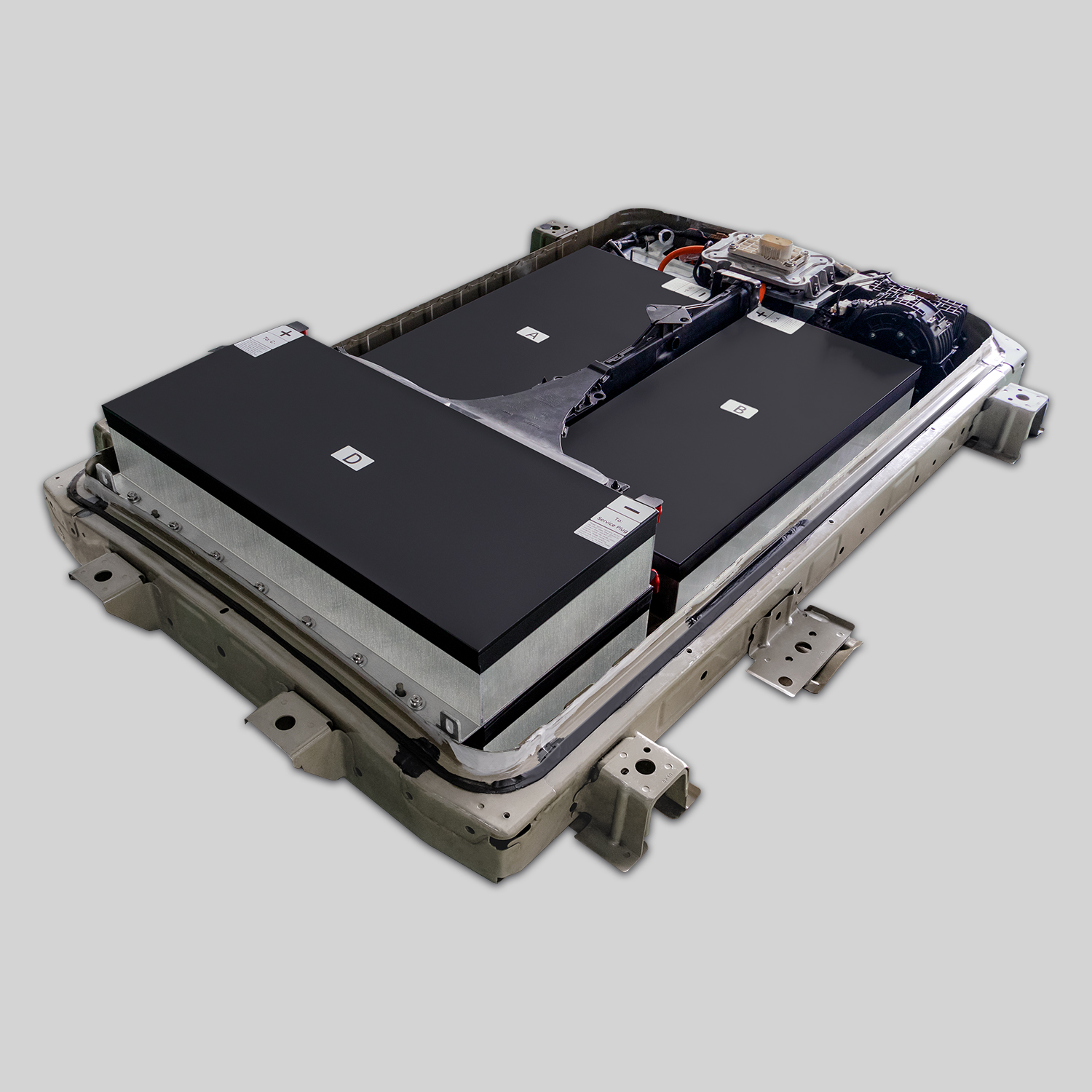
Here is the SEO-optimized article tailored for DIY enthusiasts looking to upgrade their Nissan Leaf Plus.
The Ultimate Guide to Cheap Leaf Plus Power Battery Upgrades for DIYers
For Nissan Leaf owners, the “Plus” models (specifically the 2018+ Leaf with the 62kWh or 40kWh lithium battery packs) represent a significant leap in electric vehicle technology. However, as these cars age, battery degradation becomes a reality, or sometimes, owners simply crave more range than the stock battery offers. If you are a DIY enthusiast scouring the internet for a cheap Leaf Plus power battery solution, you are likely balancing the desire for performance with a strict budget.
This guide is designed specifically for you. We will cut through the noise of the aftermarket and explore why a Nissan Leaf ZE1 battery replacement is not just a cost-saving measure, but a viable performance upgrade for the hands-on technician.
Why the Nissan Leaf Plus (ZE1) is a DIY Goldmine
The Nissan Leaf Plus (chassis code ZE1) is a favorite among EV conversion enthusiasts and budget-conscious drivers for a simple reason: parts availability. Unlike some electric vehicles that lock their battery management systems (BMS) with proprietary encryption, the Leaf Plus utilizes a relatively open and well-documented system.
When searching for a cheap Leaf Plus power battery, you have two primary options:
- Refurbished/OEM Packs: Often expensive and with unknown cell health.
- Aftermarket New Packs: Specifically, the Nissan Leaf ZE1 battery modules or full packs manufactured by third-party specialists.
The aftermarket route offers a distinct advantage: you are not paying for the Nissan brand premium. Instead, you are paying for the raw energy density. By opting for a new lithium battery pack built with brand-new, high-grade cells (such as those from CATL), you bypass the gamble of buying used cells that might be on their last legs.
Finding a Cheap Leaf Plus Power Battery: The Cost Analysis
Let’s address the elephant in the room: cost. A brand-new OEM replacement from a dealership can easily exceed $12,000 to $16,000. For a DIYer, this is simply untenable.
A high-quality aftermarket Nissan Leaf ZE1 battery typically costs about 50% less than the original manufacturer’s price. This price drop is what makes the “cheap Leaf Plus power battery” search a successful one. But “cheap” does not mean “low quality” in this context.
Here is how the economics work for the savvy enthusiast:
- Raw Materials: Aftermarket manufacturers buy cells in bulk directly from the cell factories.
- No Brand Markup: You are not paying for the Nissan badge or the dealership network.
- Direct to Consumer: The supply chain is streamlined, cutting out middlemen.
By choosing this path, you can install a 62kWh lithium battery pack—the same capacity that gives the Leaf Plus its impressive range—at a fraction of the cost, effectively reviving your vehicle’s performance.
The DIY Installation: Is it Right for You?
If you are reading this, you likely have some mechanical experience. Replacing the Nissan Leaf ZE1 battery is considered a “plug-and-play” solution by many in the EV community, but it requires specific knowledge.
The Good News: The physical dimensions and connectors of a quality aftermarket pack are designed to match the OEM specifications perfectly. If you have replaced a transmission or performed major suspension work, you have the spatial awareness needed for this job.
The Reality Check: This is high-voltage electricity. You must be comfortable working with 400V+ systems.
Here is a simplified breakdown of the process:
- Safety First: Disconnect the 12V battery and wait for capacitors to discharge.
- Drain & Disconnect: Remove the coolant and disconnect the high-voltage cables.
- Unbolt: The battery pack is held by bolts; removal is straightforward.
- Reverse: Install the new 62kWh lithium battery pack and reconnect.
Pro Tip: Most aftermarket suppliers, including specialized manufacturers, provide detailed installation videos and PDF manuals. If you get stuck on the BMS programming (which is rare with plug-and-play designs), technical support is usually just an email away.
Performance Expectations: More Than Just “Cheap”
While the search term focuses on “cheap,” your goal as a DIYer should be “value” and “performance.”
By upgrading to a new Nissan Leaf ZE1 battery, you are likely installing brand-new cells with 100% health right out of the box. This means:
- Restored Range: Expect to regain the full advertised range (around 225 miles / 360 km for the 62kWh variant).
- Faster Charging: New cells accept charge rates much more efficiently than degraded OEM packs.
- Thermal Stability: Newer aftermarket packs often utilize improved thermal management designs compared to the older OEM units, reducing the risk of overheating.
Why Quality Matters in “Cheap” Solutions
It is crucial to differentiate between a “cheap” battery and a “budget-friendly” battery. The market is flooded with refurbished units pulled from salvage cars.
When you look at a Nissan Leaf ZE1 battery specification sheet from a reputable manufacturer, you should see:
- Brand New Cells: Specifically, cells from tier-1 suppliers like CATL.
- Warranty: A legitimate warranty (such as 2 years / 80,000 km) is the hallmark of a product that isn’t just “cheap” but reliable.
- BMS Compatibility: The Battery Management System must communicate seamlessly with the Leaf’s Vehicle Control Unit (VCU).
Buying the absolute cheapest option on Alibaba or eBay, often labeled vaguely, risks buying recycled junk. A proper aftermarket 62kWh lithium battery pack is engineered new, ensuring it won’t swell or fail within six months.
Conclusion: Revive Your Ride
For the DIY enthusiast, finding a cheap Leaf Plus power battery is about reclaiming control over your vehicle’s lifespan. The Nissan Leaf ZE1 battery replacement market offers a compelling solution: you get a brand-new, high-capacity energy source at half the price of the dealer alternative.
Don’t let the fear of high costs force you into buying a new car. With the right tools, safety precautions, and a reliable supplier, upgrading your Leaf Plus battery is a weekend project that pays dividends for years to come.
Frequently Asked Questions (FAQ)
1. Is a “cheap” aftermarket battery safe for my Nissan Leaf Plus?
Yes, but only if it is built with brand-new, name-brand cells (like CATL) and includes a proper Battery Management System (BMS). Avoid vague listings for “used” or “recycled” cells. A reputable aftermarket Nissan Leaf ZE1 battery is manufactured to OEM standards but without the dealership markup, ensuring safety and longevity.
2. How much range can I expect after installing a new 62kWh pack?
A brand-new 62kWh lithium battery pack should restore your Leaf Plus to its original factory specifications. You can expect a full charge range of approximately 225 miles (360 km) under ideal conditions. This is a significant upgrade compared to the degraded range most older Leaf Plus models suffer from.
3. Do I need special tools to replace the battery myself?
While the installation is considered “plug-and-play,” you will need standard automotive tools (wrenches, socket sets) and specialized equipment for handling high-voltage systems safely. You will also need coolant flush equipment. Most importantly, you need the knowledge to handle high-voltage disconnection. If you are unsure, consult the installation manual provided by the manufacturer before starting.
4. What is the warranty on these aftermarket batteries?
Reputable manufacturers offer substantial warranties to prove their product’s reliability. Look for warranties covering at least 2 years or 80,000 km, which often exceeds the warranty coverage offered on refurbished OEM batteries. This warranty typically covers defects in materials and workmanship.
5. How do I know if a specific battery is compatible with my car?
Always verify compatibility using your Vehicle Identification Number (VIN). Before purchasing a Nissan Leaf ZE1 battery, submit your VIN to the supplier’s technical team. They can confirm that the voltage, capacity, and physical connectors match your specific Leaf model year, ensuring a seamless drop-in replacement.
Ready to upgrade your Nissan Leaf Plus? Get a free quote for your custom battery solution today.
Contact CNS BATTERY Experts