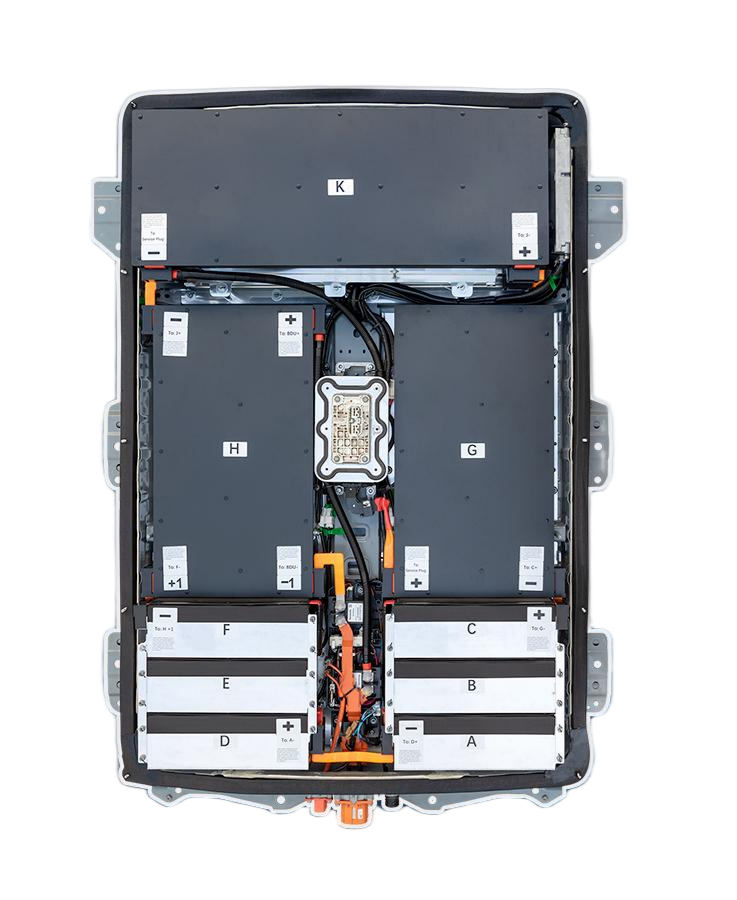
Here is the SEO-optimized article tailored for your requirements.
High Capacity Leaf Plus Power Battery vs AESC: The Ultimate Upgrade Guide
Is your Nissan Leaf struggling with range anxiety? If you own a Nissan Leaf (especially the S, SV, or SL trims) or an e-NV200, you are likely familiar with the limitations of the older generation batteries, particularly those manufactured by AESC (Automotive Energy Supply Corporation).
The original 24kWh, 30kWh, and even the early 40kWh packs are now showing their age. Degradation is real, and the “Leaf Shake” during rapid charging is a common complaint among owners clinging to the old technology.
But there is a solution that breathes new life into your EV: upgrading to a High Capacity Leaf Plus Power Battery.
As a leading expert in EV powertrain solutions, we often get asked: “Should I stick with the OEM-spec AESC replacement, or should I jump to a Leaf Plus (ZE1) compatible high-capacity pack?”
This article breaks down the comparison, focusing on performance, safety, and value, to help you make the best decision for your Nissan.
🤔 Why Compare? Understanding the “Leaf Plus” Revolution
Before diving into the technical specs, let’s clarify what we mean by a “Leaf Plus” battery.
The Nissan Leaf Plus (specifically the ZE1 model introduced in 2019) was a game-changer. It moved away from the older Lizard/Heated pouch cell design to a new generation of high-density, high-power cylindrical cells. This allowed for significantly larger battery packs (62kWh and 80kWh) that offered nearly double the range of the previous 40kWh models.
When we talk about a “High Capacity Leaf Plus Power Battery” in the aftermarket context, we are referring to modern, high-performance replacements designed to mimic or exceed this ZE1 standard—often utilizing premium brand-new CATL (Contemporary Amperex Technology Co. Limited) cells.
The Core Conflict: Old Tech vs. New Tech
The AESC battery packs, while reliable in their time, were built on older lithium-manganese-oxide (LMO) chemistry. They are prone to faster degradation in hot climates and have lower energy density.
Conversely, a modern Leaf Plus Power Battery typically utilizes Nickel Manganese Cobalt (NMC) chemistry, offering superior thermal management and longevity.
⚔️ Head-to-Head: High Capacity Leaf Plus vs. AESC
Let’s look at the critical factors that determine your driving experience.
1. Battery Chemistry & Cell Quality
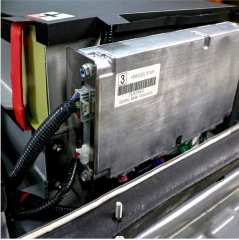
- AESC (Old/OEM): Utilizes laminated pouch cells. These are heavier for their capacity and are more susceptible to swelling and degradation over time. Many used AESC packs on the market are salvaged from totaled cars, meaning you are buying second-hand, degraded hardware.
- High Capacity Leaf Plus (New): Modern aftermarket solutions, like those offered by CNS BATTERY, utilize brand-new, premium cylindrical cells (often from CATL). These cells offer better heat dissipation, higher energy density, and are manufactured to stricter modern safety standards. You are getting a brand-new core, not a recycled one.
2. Range & Energy Density
This is where the Leaf Plus format wins hands down.
| Feature | Standard AESC 40kWh | High Capacity Leaf Plus (62kWh) |
|---|---|---|
| Theoretical Range | ~150 km (93 miles) | ~400 km (248 miles) |
| Real-World Range | ~120 km (75 miles) | ~320 km (198 miles) |
| Cell Type | LMO Pouch (Older Tech) | NMC Cylindrical (New Tech) |
| Degradation Rate | Higher (Especially in Heat) | Lower (Better Thermal Management) |
By upgrading to a High Capacity Leaf Plus Power Battery, you aren’t just replacing a worn-out part; you are effectively turning your older Leaf into a modern EV capable of highway commutes and long trips.
3. Charging Speed & Performance
The older AESC packs suffer from a phenomenon known as the “Leaf Shake.” This occurs because the Battery Management System (BMS) struggles to balance the older cell chemistry during rapid DC fast charging, causing the car to vibrate and throttle the charging speed to protect the battery.
A modern Leaf Plus Power Battery eliminates this issue. The cylindrical cell architecture allows for faster, more stable charging without the violent shaking. This means you spend less time at the charger and more time on the road.
🛠️ The Technical Hurdle: Physical Compatibility
One of the biggest questions we get is: “Will a Leaf Plus battery fit in my old Leaf?”
The short answer is Yes, but it requires expertise.
The Leaf Plus (ZE1) battery pack is physically larger than the older ZE0/AZE0 packs. Installing a 62kWh Leaf Plus Power Battery into a pre-2018 Leaf requires modifications to the battery mounting brackets and sometimes the rear suspension geometry to accommodate the increased height and weight.
This is not a simple plug-and-play job for a novice. It requires a deep understanding of the Nissan Leaf chassis and access to custom engineering brackets.
Expert Insight: At CNS BATTERY, we don’t just sell batteries; we provide engineering solutions. Our high-capacity packs are designed with OEM compatibility in mind. We offer the necessary technical consultation and support to ensure that the installation into your specific chassis (whether it’s a standard Leaf or an e-NV200) is seamless and structurally sound.
💰 Cost vs. Value: The Economic Argument
Let’s talk about money. Replacing an EV battery is a significant investment.
- Buying a Used AESC Pack: While seemingly cheaper upfront (often $2,000 – $4,000), you are buying a used product with unknown health. You are essentially putting a used engine in a car. The risk of early failure or “sudden death” (where the BMS fails) is high.
- Buying a New High Capacity Leaf Plus Battery: A brand-new 62kWh solution costs more initially but offers a lifespan that can exceed 10 years. When you factor in the 50%+ cost savings compared to a brand-new Nissan dealership replacement, and the doubling of your car’s usable life, the value proposition is undeniable.
You are not just repairing your car; you are performing a full restoration to modern standards.
🌟 Why Choose a Modern High-Capacity Solution?
If you are tired of the limitations of your old Nissan Leaf or e-NV200, the answer is clear: Upgrade to a High Capacity Leaf Plus Power Battery.
By choosing a modern solution built with new CATL cells and NMC chemistry, you gain:
- Elimination of “Leaf Shake”: Enjoy smooth, fast charging.
- Double the Range: Turn a 75-mile car into a 200+ mile car.
- Zero Swelling Risk: Cylindrical cells are physically robust and do not swell like pouch cells.
- Longevity: New cells mean a decade of reliable service.
Don’t settle for a recycled, degraded AESC pack when you can have a brand-new, high-performance heart for your EV.
❓ Frequently Asked Questions (FAQ)
Q1: Can I install a Leaf Plus battery (62kWh) in my 2013 Nissan Leaf?
Yes, it is technically possible, but it is not a simple drop-in replacement. The Leaf Plus battery is physically larger and heavier. You will need to modify the suspension mounts, potentially adjust the rear suspension geometry, and ensure the vehicle’s software (BMS) is correctly calibrated. Professional installation or expert mechanical skills are highly recommended.
Q2: What are the main risks of using a used AESC battery?
Used AESC batteries come with “hidden mileage.” You often cannot accurately assess the remaining health (State of Health – SOH) before installation. They are prone to cell imbalance, BMS failure, and the dreaded “Leaf Shake” during charging. You might save money upfront but risk a costly replacement in 1-2 years.
Q3: Are High Capacity Leaf Plus batteries legal and safe?
Yes, when sourced from a reputable manufacturer. High-quality aftermarket batteries, such as those utilizing new CATL cells, undergo rigorous safety testing (including overcharge, short circuit, and thermal testing). They are designed to meet or exceed OEM safety standards. Always ensure the battery has proper certifications and a comprehensive warranty.
Q4: How much does a High Capacity Leaf Plus battery cost?
Prices vary depending on the cell quality and capacity. Generally, you can expect a brand-new 62kWh solution to cost significantly less than a dealership replacement (often 50% less), while a used/refurbished AESC pack is the cheapest but riskiest option.
Q5: Will this void my car’s warranty?
If your car is still under the original Nissan manufacturer warranty, any modification, including a battery swap, may affect the warranty. However, for most Leaf owners (who have cars older than 8 years), the original warranty has expired. Upgrading to a new High Capacity Leaf Plus Power Battery typically comes with its own warranty (e.g., 2 years / 80,000 km) from the supplier.
Ready to upgrade your Nissan Leaf or e-NV200 to a High Capacity Leaf Plus Power Battery? Get a free, no-obligation quote today and see how we can help you extend your range and improve your safety.