Here is the SEO-optimized article tailored for your requirements, written from the perspective of a CNS BATTERY expert.
The Ultimate Guide to Nissan Leaf LFP Battery Upgrades: DIY Installation & Recycled Materials
The Nissan Leaf has been a pioneer in the electric vehicle (EV) revolution. However, as the years pass, many owners face the reality of battery degradation. If you are looking at a DIY Leaf LFP battery installation or exploring options involving recycled materials, you are likely balancing cost, safety, and environmental impact.
At CNS BATTERY, we understand that upgrading your Leaf is a significant investment. While the concept of using “recycled materials” is appealing for sustainability, the execution is critical. This guide will walk you through the realities of DIY installation, the risks versus rewards of recycled components, and why choosing the right supply chain matters.
Why Choose LFP for Your Nissan Leaf?
Before diving into the installation process, let’s address why Lithium Iron Phosphate (LFP) is the superior chemistry for a Leaf rebuild.
The original Nissan Leaf batteries used Lithium Nickel Manganese Cobalt Oxide (NMC), which is prone to degradation in high heat and has a shorter cycle life. LFP chemistry, often utilizing brand-new cells from manufacturers like CATL, offers distinct advantages:
- Enhanced Safety: LFP batteries are thermally and chemically stable, significantly reducing the risk of thermal runaway.
- Longer Lifespan: LFP cells typically last 3-4 times longer than NMC cells, making them perfect for a vehicle you plan to keep for years.
- Cost Efficiency: By utilizing new LFP cells, we can offer a solution that saves you over 50% compared to OEM replacements, without compromising on safety.
The Reality of “Recycled Materials” in EV Conversions
When searching for a budget-friendly solution, the term “recycled materials” often comes up. It is crucial to distinguish between two very different scenarios to avoid a costly mistake.
1. The Risk of Used/Refurbished Modules
Many suppliers claiming to use “recycled” parts are actually reselling used battery modules pulled from salvage yards. These modules are often degraded, mismatched, and pose a high risk of swelling or failure. While they might seem cheap upfront, the long-term costs of repair or replacement are high.
2. The CNS BATTERY Standard: New Cells, Sustainable Sourcing
At CNS, we do not use recycled modules. Instead, we utilize brand-new LFP battery cells from top-tier manufacturers. The “recycled” aspect you might be interested in refers to the environmental benefit of extending the life of your existing vehicle chassis, preventing a perfectly good car from going to a landfill.
By installing a new LFP pack, you are essentially giving your Leaf a new heart, ensuring reliability while being eco-conscious.
DIY Leaf LFP Battery Installation: A Step-by-Step Overview
If you are considering a DIY Leaf LFP battery installation, you need to be aware that this is not a simple plug-and-play operation like changing a tire. It requires mechanical skill, electrical knowledge, and the right tools. However, with the correct preparation, it is a highly rewarding project.
Here is a general outline of what the process entails:
- Preparation & Safety: Disconnect the 12V battery and ensure the vehicle is on a lift or secure jack stands. Wear appropriate Personal Protective Equipment (PPE).
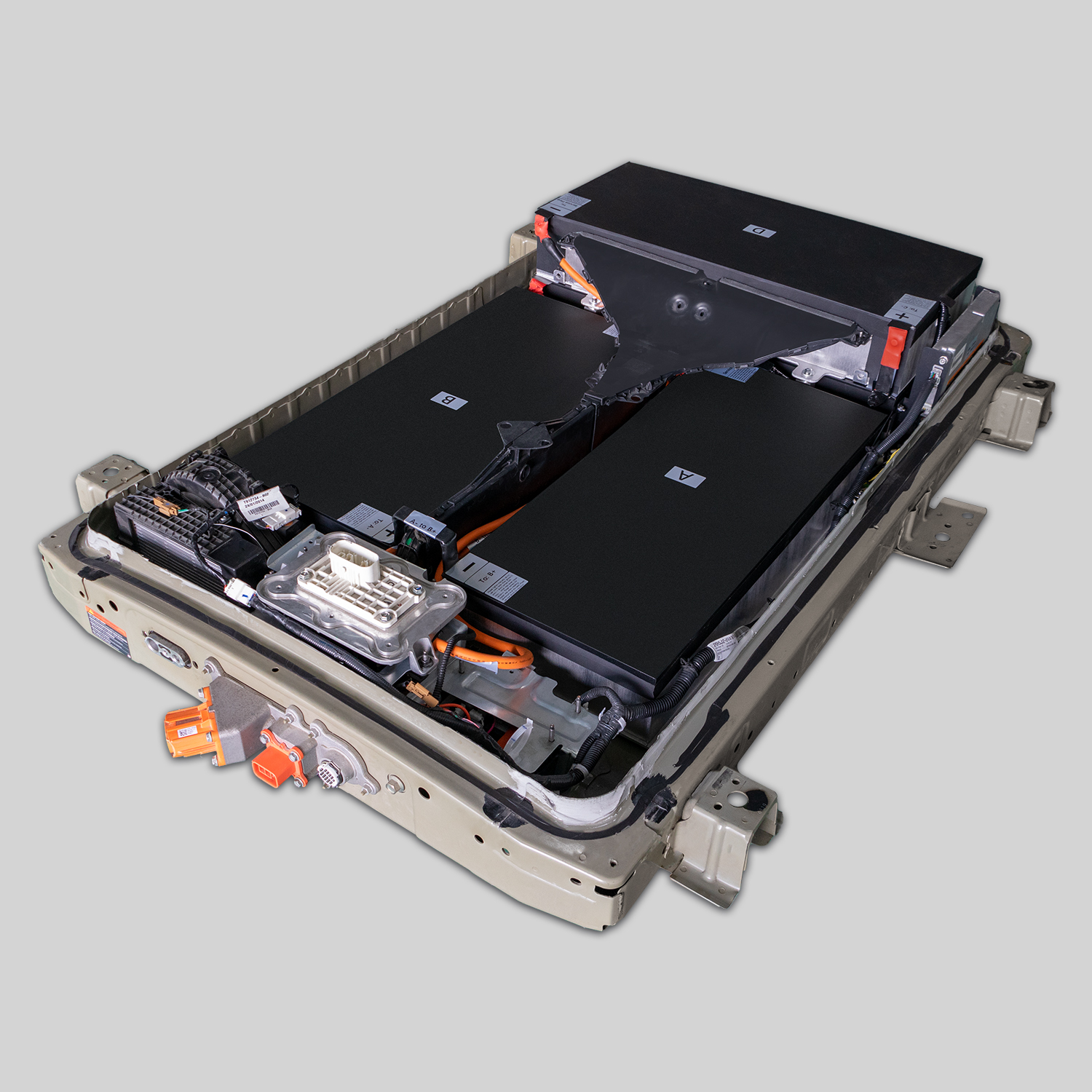
- Removal of the Old Pack: The Nissan Leaf battery is heavy (approx. 300kg). You will need a transmission jack or a specialized battery jack. Remove the undertray and carefully unbolt the old NMC pack.
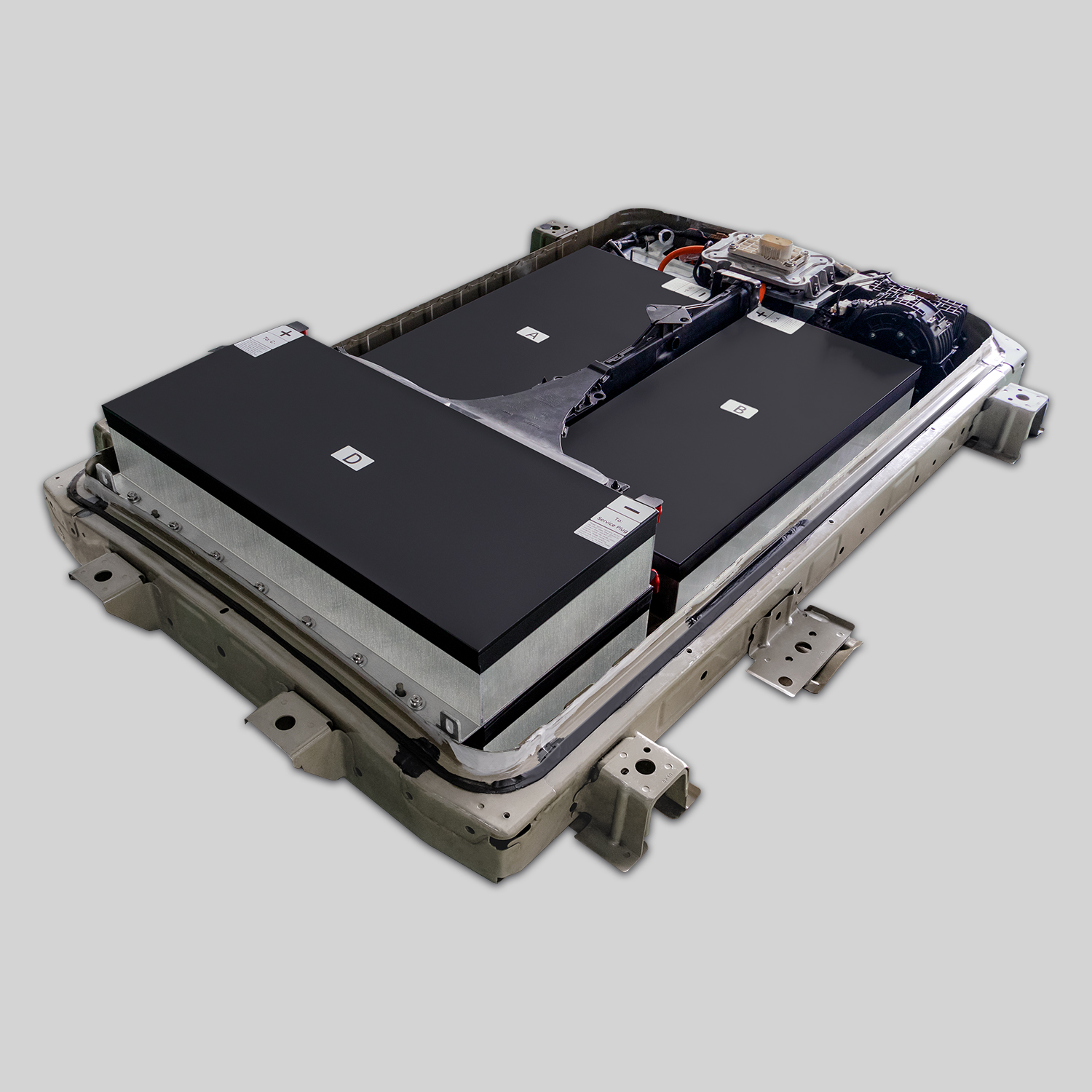
- Physical Installation: Place the new LFP pack into the chassis. While the dimensions are often similar, minor bracket adjustments might be necessary depending on the specific LFP model (e.g., ZE0, AZE0, or ZE1).
- Electrical Connection: This is the most critical step. You must connect the high-voltage (HV) cables and the Battery Management System (BMS) communication lines. Note: LFP batteries often require BMS programming to communicate correctly with the Nissan Leaf’s Vehicle Control Unit (VCU).
- Testing: Before lowering the car, perform a voltage check and insulation test to ensure there are no shorts.
Expert Tip: If you are not confident about the BMS programming, CNS BATTERY offers remote video guidance to ensure your DIY project is a success.
Why Choose CNS BATTERY for Your Upgrade?
Choosing the right partner for your DIY Leaf LFP battery installation is as important as the battery itself. We are not just a parts supplier; we are a technical partner.
- OEM Compatibility: Our packs are designed to fit Nissan Leaf standards (ZE0, AZE0, ZE1) perfectly. We handle the complex engineering of cell arrangement and BMS integration so you don’t have to.
- Unbeatable Warranty: We back our quality with a 2-year / 80,000 km warranty. This is significantly longer than what most “recycled” or refurbished battery sellers offer.
- Transparency: We provide detailed installation manuals, high-definition tutorial videos, and real-time technical support.
Conclusion: Revive Your Leaf with Confidence
Upgrading your Nissan Leaf with an LFP battery is one of the smartest modifications you can make. It transforms an aging EV into a reliable daily driver with modern safety standards. While the allure of “recycled materials” is strong, prioritize the use of brand-new LFP cells to guarantee performance and safety.
Ready to start your project? Get a free quote today and receive the support you need for a successful DIY Leaf LFP battery installation.
Get Your Free Custom Quote Now
Frequently Asked Questions (FAQ)
Q1: Is it safe to install an LFP battery in a Nissan Leaf myself?
A: Yes, if you have the proper mechanical skills and tools. The physical installation is similar to removing and reinstalling a heavy transmission. However, the electrical connection and BMS programming require caution. We recommend having a basic understanding of high-voltage systems or consulting a professional for the programming step.
Q2: What is the difference between your “new cells” and “recycled materials” options?
A: “Recycled materials” often refer to used, degraded modules pulled from scrap cars. These are risky and have a short lifespan. At CNS, we use brand-new LFP cells (typically CATL) to build your pack. This means you get the environmental benefit of reusing your car, combined with the reliability of a brand-new battery.
Q3: Does the LFP battery require special charging equipment?
A: No. Our LFP batteries are designed to be compatible with standard Level 1 and Level 2 EV chargers, as well as DC fast charging (if supported by your Leaf model), without any modification to your charging infrastructure.
Q4: How long does a DIY installation take?
A: For a professional technician, it usually takes about 1-2 hours. For a DIY enthusiast with the right tools, it can take between 2 to 4 hours, depending on your familiarity with the vehicle’s undercarriage.
Q5: Will this void my car’s warranty?
A: Since the Nissan Leaf is an older model, most factory warranties have expired. Our batteries come with their own 2-year / 80,000 km warranty, which covers the battery pack independently of the original vehicle warranty.