🛠️ The DIYer’s Guide to Nissan Leaf Plus Battery Upgrades: Power, Safety & Extended Warranty
For Nissan Leaf owners, the moment the dashboard indicates declining range or degraded battery health, a critical decision point arrives. Many DIY enthusiasts and repair shops face the dilemma of whether to settle for a standard replacement or upgrade to a high-capacity “Plus” model. However, the complexity of Battery Management Systems (BMS), the risk of incompatible hardware, and the anxiety of voiding warranties often halt projects before they start. As a professional in the EV battery industry, I understand that your primary concerns are not just cost, but the long-term reliability of the hardware and the security of an extended warranty. This guide is designed to help you navigate the upgrade process safely, ensuring you maximize your vehicle’s potential without compromising on safety.
🚀 Why Upgrade to a “Plus” Power Battery?
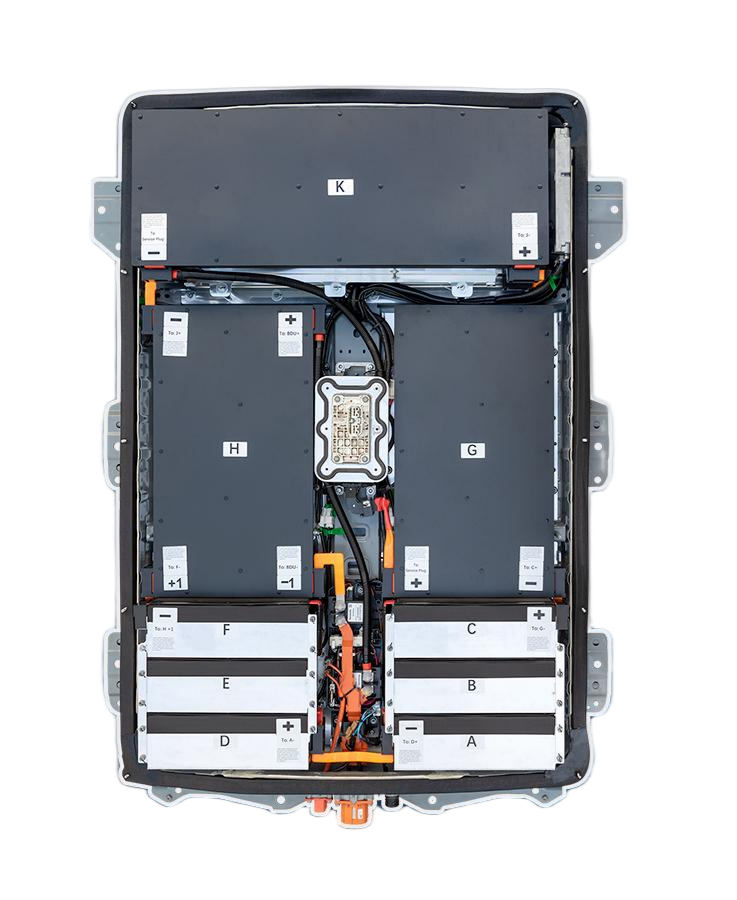
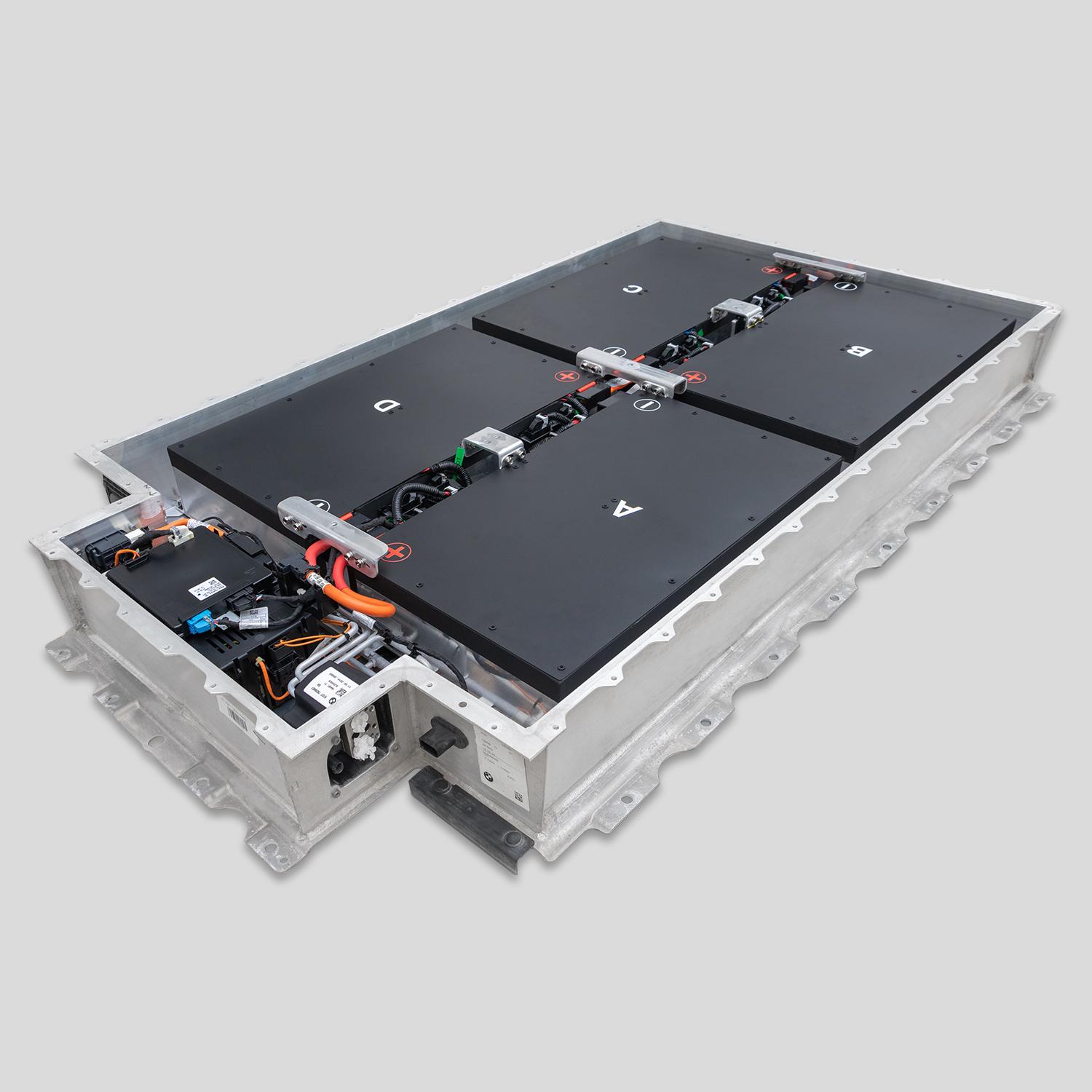
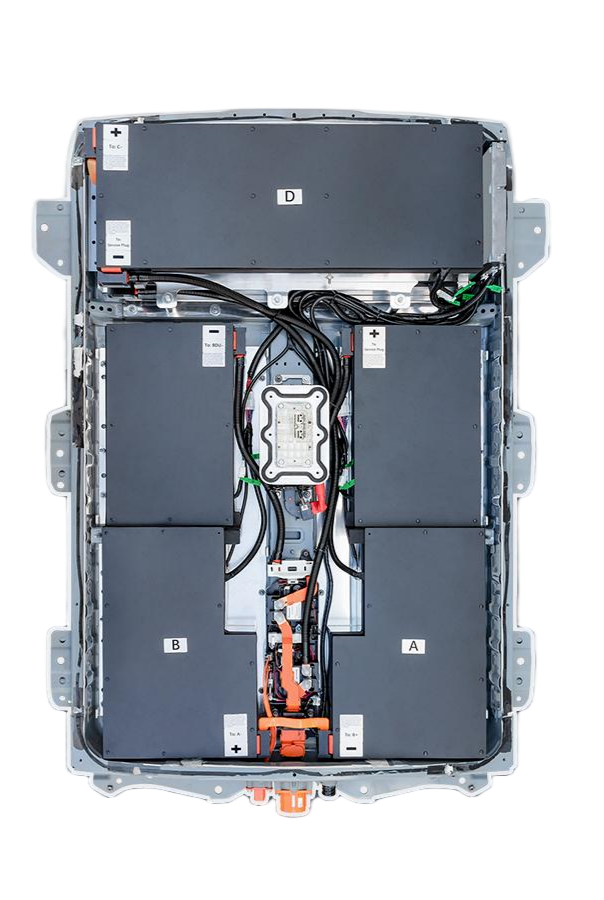
The term “Leaf Plus” typically refers to high-capacity battery packs (such as 62kWh or 68kWh) designed to replace the older, lower-capacity modules (like the 24kWh or 40kWh variants). For a DIYer, this isn’t just about adding numbers; it is about revitalizing the vehicle’s drivability.
The Performance Gap
Original Nissan Leaf batteries, while reliable, suffer from thermal degradation over time. Upgrading to a new lithium battery pack specifically engineered for extended range closes the performance gap between your older model and the latest EV technology. By utilizing new, high-density cells, these upgrades can restore your range to near-new levels or even exceed the original factory specifications.
The “Plus” Advantage for DIY
Unlike factory modules that might require complex modifications to the chassis or cooling system, a purpose-built “Plus” battery is designed for plug-and-play compatibility. This means you avoid the engineering headache of rewiring harnesses or adapting mounting brackets. The focus shifts from “Will it fit?” to “How much range will I gain?”
🔍 Selecting the Right Hardware: New vs. Refurbished
When sourcing parts for a DIY project, the temptation to save money on refurbished units is strong. However, in the context of high-voltage EV systems, the risks often outweigh the rewards.
The Hidden Risks of “Cheap” Batteries
Many low-cost alternatives on the market utilize recycled or salvaged cells. These cells have unknown charge cycles, potential internal resistance issues, and are prone to swelling. For a DIYer working under a car, installing a pack with unstable chemistry is a safety hazard and a potential project killer.
The Value of New Cells
Opting for a battery built with brand-new, top-tier cells (such as those from CATL) ensures that you are starting with a clean slate. New cells guarantee maximum energy density, consistent thermal behavior, and a predictable lifespan. This is not an expense; it is an investment in the longevity of your repair.
🛡️ Understanding the “Unbeatable” Extended Warranty
For a DIY enthusiast, the warranty is the safety net. It transforms a risky home project into a professional-grade repair. When evaluating extended warranties for your Leaf Plus upgrade, there are specific metrics you must look for.
Standard vs. Extended Coverage
The industry standard for battery replacements often hovers around 1-2 years or 30,000 km. However, a true “unbeatable” warranty should reflect the confidence of the manufacturer in their new cell technology.
The Benchmark: Look for warranties that extend to 2 years or 80,000 km (whichever comes first). This coverage should include protection against defects in materials and workmanship, as well as prorated coverage for performance degradation (ensuring the battery maintains at least 70% capacity).
Why 80,000 km Matters
This specific mileage threshold is crucial because it aligns with the average annual driving distance of most users. It guarantees that your “Plus” battery will perform reliably through multiple seasons and various driving conditions without the fear of premature failure.
📋 The DIY Decision Checklist
Before you purchase and begin the installation, verify that your chosen supplier meets the following criteria to ensure a smooth, warranty-protected upgrade.
1. VIN Compatibility Assessment
Never assume fitment. A reputable supplier will offer a free VIN compatibility check. This step confirms that the voltage, capacity, and interface (such as Type 2 connectors) match your specific Leaf model (ZE0, ZE1, or AZE0) to avoid costly mismatches.
2. Technical Support & Installation Guides
Even the best hardware can fail if installed incorrectly. Ensure your supplier provides:
- Step-by-step installation videos (HD tutorials covering power disconnection to system integration).
- Real-time support (Video call guidance via Zoom or remote assistance for BMS programming).
- Safety documentation (PDF guides covering protective gear and short-circuit prevention).
3. Transparent Logistics
Since lithium batteries are classified as dangerous goods (UN 3480/3481), shipping is regulated. Choose a supplier that offers DDP (Delivered Duty Paid) service and partners with carriers like DHL or FedEx to handle customs and compliance, ensuring your battery arrives safely without hidden fees.
📈 The Cost-Benefit Analysis: Saving 50% vs. Dealership Prices
One of the primary drivers for a DIY Leaf Plus upgrade is the financial advantage. While a dealership replacement can cost upwards of $16,000, a direct-to-consumer “Plus” battery can offer the same performance (or better) at roughly 50% of the price.
| Feature | Dealership Replacement | DIY “Plus” Upgrade (New Cells) |
|---|---|---|
| Cell Quality | Original Manufacturer (Aged Tech) | Brand New CATL/Top-Tier Cells |
| Price | ~$16,000 | ~$8,000 |
| Warranty | Standard (Often <80k km) | Extended (2 Years / 80,000 km) |
| Installation | Mandatory Professional | DIY or Professional |
This table illustrates the core value proposition: you are not just saving money; you are upgrading the technology inside your vehicle.
📝 Conclusion: Taking the Next Step
Upgrading your Nissan Leaf to a “Plus” power battery is a significant step toward maximizing the life of your vehicle. By focusing on new cell technology, extended warranty coverage, and manufacturer support, you mitigate the risks associated with DIY high-voltage projects.
If you are ready to transform your driving experience and secure a reliable, long-range solution, the next step is a simple compatibility check. Do not let uncertainty hold you back from the range and performance your Leaf deserves.
Contact our technical experts now for a free customization and compatibility assessment.
❓ Frequently Asked Questions (FAQ)
1. How long does the installation take for a DIYer?
For a professional technician, the installation typically takes about 50 minutes to 1 hour. For a DIY user, depending on experience and tool preparation, it usually takes 1-2 hours. We provide comprehensive video tutorials and PDF guides to assist you through every step of the process.
2. What is covered under the 2-year/80,000 km warranty?
Our warranty covers defects in materials and workmanship. This includes free replacement or repair if any manufacturing faults occur. It also includes prorated coverage for performance degradation, guaranteeing that your battery maintains a minimum of 70% capacity throughout the warranty period.
3. Are these batteries compatible with my specific Nissan Leaf model?
Yes, our batteries are designed specifically for Nissan Leaf models, including ZE0, ZE1, and AZE0 series. To ensure perfect compatibility, we offer a free VIN check. Simply provide your Vehicle Identification Number to our customer service, and we will confirm the exact fitment for your vehicle.
4. What kind of technical support is available during the DIY installation?
We understand that installing a high-voltage battery can be daunting. Therefore, we offer real-time video call support (via Zoom or similar platforms) where an expert will guide you step-by-step. Additionally, we provide high-definition installation videos and detailed manuals covering safety precautions, tool requirements, and BMS programming.
5. Is international shipping available, and is it safe?
Yes, we support DDP (Delivered Duty Paid) service to over 50 countries. We handle all customs compliance and duties. Lithium batteries are shipped according to strict IATA and IMDG regulations using carriers like DHL and FedEx. The packaging is designed to be robust and safe for international transit.
Ready to upgrade your Nissan Leaf?
Get a Free Custom Quote and Compatibility Check Today:
Contact CNS BATTERY Technical Experts