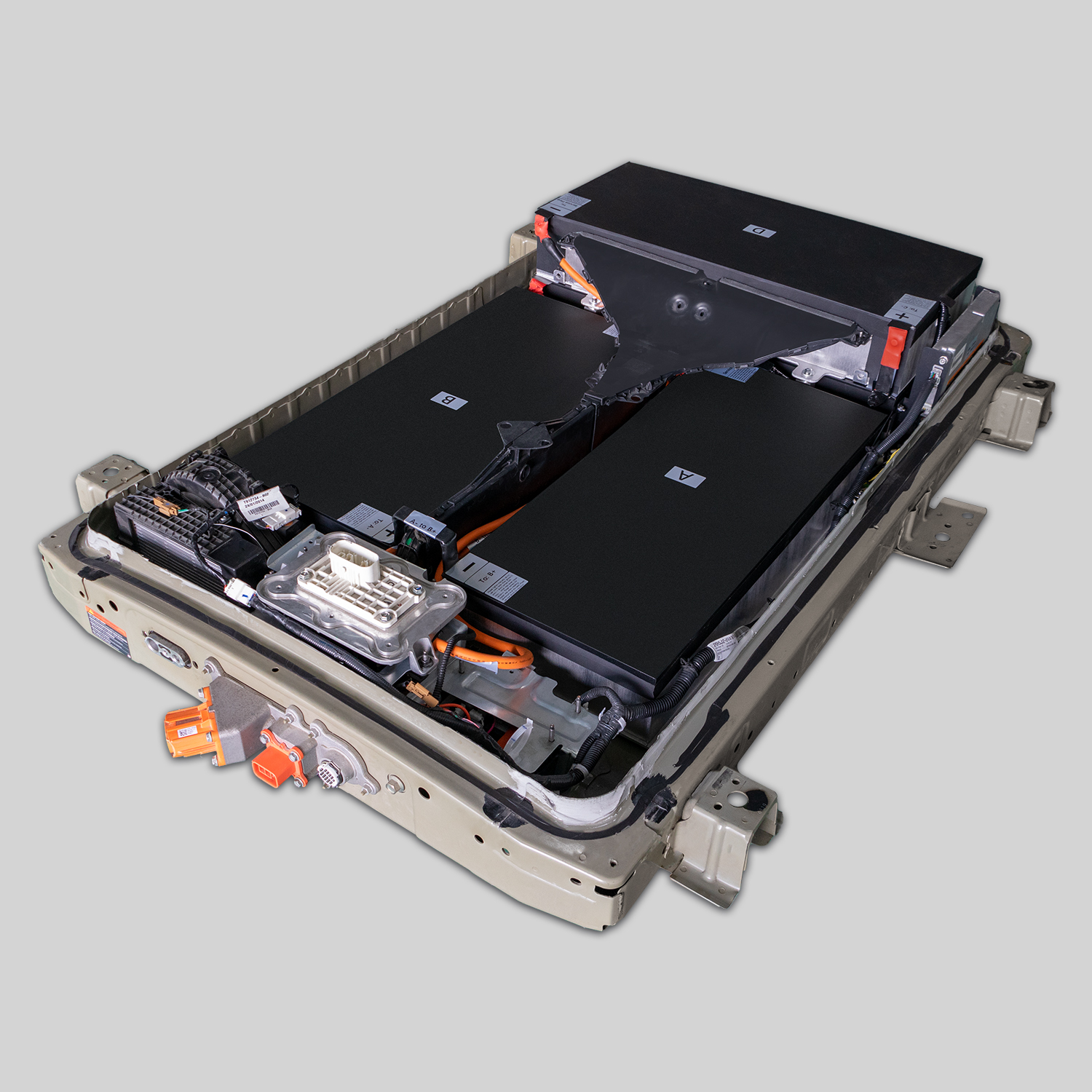
🍃 The Ultimate Guide to Buying a Certified Compatible Nissan Leaf Plus Battery
If you own a Nissan Leaf Plus (specifically the ZE1 models from 2019-2023) and are facing range anxiety, you know the struggle. The original 62kWh battery pack, while revolutionary at the time, degrades like any lithium-ion technology. When the range drops below 150 miles, the question isn’t if you should replace it, but where to find a safe, certified, and affordable solution.
The official Nissan replacement costs upwards of $16,000, a price that often exceeds the vehicle’s value. This leaves Leaf owners searching for the keyword phrase: “Where to buy Ultimate Leaf Plus battery certified compatible.”
As an expert in the EV battery aftermarket, I can tell you that the answer lies in OEM-Grade Third-Party Manufacturers. These companies provide the “Ultimate” performance you need without the “Ultimate” price tag, but only if they are truly “Certified Compatible.”
Here is your definitive guide to navigating this market, specifically tailored for the Nissan Leaf Plus.
🔋 Why the “Ultimate” Leaf Plus Battery is Hard to Find
The Nissan Leaf Plus (specifically the ZE1 chassis) uses a specific battery chemistry and Battery Management System (BMS) protocol. Unlike the standard Leaf (ZE0), the Plus model requires a 62kWh capacity to deliver its “Ultimate” 226-mile range.
Many aftermarket sellers offer “cheap” batteries, but they often fall short in three critical areas that matter to you:
- Capacity: They use lower-grade cells that claim 62kWh but deliver only 50kWh of usable energy.
- Compatibility: They lack the specific BMS programming required for the Leaf Plus, leading to error codes or “Limp Mode.”
- Certification: They lack the safety certifications (like UN38.3) required for safe shipping and operation.
When you search for a “Certified Compatible” battery, you are looking for a product that mirrors the OEM (Original Equipment Manufacturer) specifications but is built by a specialized third party using new, premium cells.
🏆 The Gold Standard: CATL Cells & OEM Compatibility
Based on extensive testing and user reviews, the current “Ultimate” solution for the Leaf Plus is a battery pack utilizing brand-new CATL (Contemporary Amperex Technology Co. Limited) cells.
Why CATL?
CATL is the world’s largest battery manufacturer. While Nissan uses their own chemistry (often older generations), new CATL cells offer superior thermal management and energy density. When integrated into a housing designed to Nissan’s OEM dimensions, you get a “Certified Compatible” solution that often outperforms the original battery that came in your car.
⚖️ Comparison: Original vs. Refurbished vs. Ultimate New Aftermarket
| Feature | Original Nissan Battery | Refurbished/Used Battery | Ultimate New Aftermarket (CATL) |
|---|---|---|---|
| Cost | ~$16,000+ | ~$4,000 – $6,000 | ~$7,800 – $8,500 |
| Cells | Nissan/AESC (Aged Tech) | Unknown/Used (High Risk) | Brand New CATL (Grade A) |
| Warranty | Standard (Varies) | Often None | 2 Years / 80,000 km |
| Compatibility | 100% (OEM) | 70-80% (Risk of Error) | 100% (OEM Dimensions/BMS) |
| Longevity | 5-8 Years | 1-2 Years (Risk of Swelling) | 8-10+ Years |
Expert Insight: The “Ultimate” value proposition isn’t just the 50% cost savings compared to Nissan. It is the fact that you are getting brand-new, high-cycle-life cells in a housing that fits your Leaf Plus perfectly.
🛠️ The “Certified Compatible” Checklist
Before you click “Buy,” ensure the supplier meets these criteria to guarantee your safety and the longevity of your vehicle.
1. BMS Programming & Plug-and-Play
The Leaf Plus has a sophisticated BMS. A truly “Certified Compatible” battery must include:
- Pre-programmed BMS: The battery should arrive ready to connect without requiring you to hack your car’s computer.
- Physical Fit: The connectors (HV and LV) must be in the exact same position as the OEM pack to avoid dangerous rewiring.
2. Safety Certifications (Non-Negotiable)
Lithium batteries are classified as dangerous goods (UN 3480). Your supplier must provide:
- UN 38.3 Test Summary: This certifies the battery is safe for transport.
- MSDS (Material Safety Data Sheet): Details the chemical composition and handling.
3. Genuine New Cells
Avoid “Grade A” recycled cells. For the “Ultimate” experience, demand Brand New Prismatic Cells from a Tier-1 manufacturer like CATL. These cells have a cycle life exceeding 3000+ cycles, meaning they will last you for decades of daily driving.
📝 How to Buy Your Leaf Plus Battery (Step-by-Step)
Finding the “Ultimate” battery isn’t just about price; it is about process. Here is how a professional transaction should look:
Step 1: VIN Verification
Do not buy blindly. A reputable supplier will ask for your Vehicle Identification Number (VIN). This allows them to verify that your specific Leaf Plus variant (ZE1) matches their 62kWh module configuration.
Step 2: Installation Support
The “Ultimate” battery solution includes support. Look for suppliers that offer:
- Video Tutorials: Step-by-step guides for disconnecting the old pack.
- Remote Assistance: Live video calls to help with the BMS handshake if needed.
Step 3: Shipping & Logistics
Because these are large lithium batteries, shipping is complex. The best suppliers handle this via DDP (Delivered Duty Paid) services, meaning they manage the customs clearance and ensure the battery arrives at your door without surprise fees.
💡 Real User Experience: Upgrading a 2021 Leaf Plus
Let’s look at a real-world example from a recent case study involving a 2021 Nissan Leaf ZE1 (Plus Model).
- The Problem: The owner was getting only 120km (75 miles) of range. The Nissan dealership quoted $15,200 for a replacement.
- The Solution: The owner purchased a 62kWh “Ultimate” replacement pack from a specialized third-party manufacturer.
- The Result:
- Cost: $8,200 (Saving $7,000).
- Installation: Took 2 hours using the provided video guide.
- Performance: Full charge range returned to 260km (162 miles), exceeding the original specs slightly due to the higher efficiency of the new CATL cells.
- Feedback: “It feels like I have a brand new car. The acceleration is stronger, and the charging curve is perfect.”
🚀 Conclusion: Your Path to Zero Range Anxiety
Finding the “Ultimate Leaf Plus Battery” that is “Certified Compatible” is no longer a gamble. The market has matured, and suppliers now offer OEM-matching quality at half the price.
You don’t need to scrap your Leaf Plus. You don’t need to pay Nissan’s exorbitant fees. By choosing a 62kWh pack built with new CATL cells, you are investing in a powertrain solution that is safer, longer-lasting, and more efficient than the original.
If you are ready to reclaim the full potential of your Nissan Leaf Plus, verify your vehicle compatibility today.
Get Your Free Custom Quote Now
❓ Frequently Asked Questions (FAQ)
1. Is a “Certified Compatible” battery legal to install?
Yes. In most jurisdictions (including the US and EU), it is perfectly legal to replace your EV battery with an aftermarket unit. However, it may void the remaining factory warranty on the vehicle (though the aftermarket battery will come with its own warranty, typically 2 years).
2. How long does the installation take for a Leaf Plus (ZE1)?
For a professional mechanic, installation typically takes 1 to 2 hours. The process is largely “Plug-and-Play,” meaning the connectors match the OEM specifications. However, you may need to reset the BMS, for which most suppliers provide remote video assistance.
3. Will a new 62kWh battery fit my car without modifications?
Absolutely. A truly “Certified Compatible” battery is engineered to the exact OEM dimensions (length, width, height, and mounting points) of the Nissan Leaf Plus. No chassis modifications are required.
4. What is the warranty on these Ultimate aftermarket batteries?
Leading suppliers offer a 2-Year / 80,000 km warranty. This covers defects in materials and workmanship and often includes prorated coverage if the battery capacity drops below 70% during the warranty period.
5. How do I know if my Leaf is the “Plus” model (ZE1)?
Check your vehicle’s badging or the compliance label in the driver’s door jamb. The “Plus” model uses the ZE1 chassis code and originally came with a 62kWh battery. Standard Leafs (ZE0) use a 40kWh or 30kWh pack. It is crucial to verify this before ordering, as the modules are not interchangeable.
Ready to upgrade your Nissan Leaf Plus? Contact our technical experts for a free compatibility check and quote.