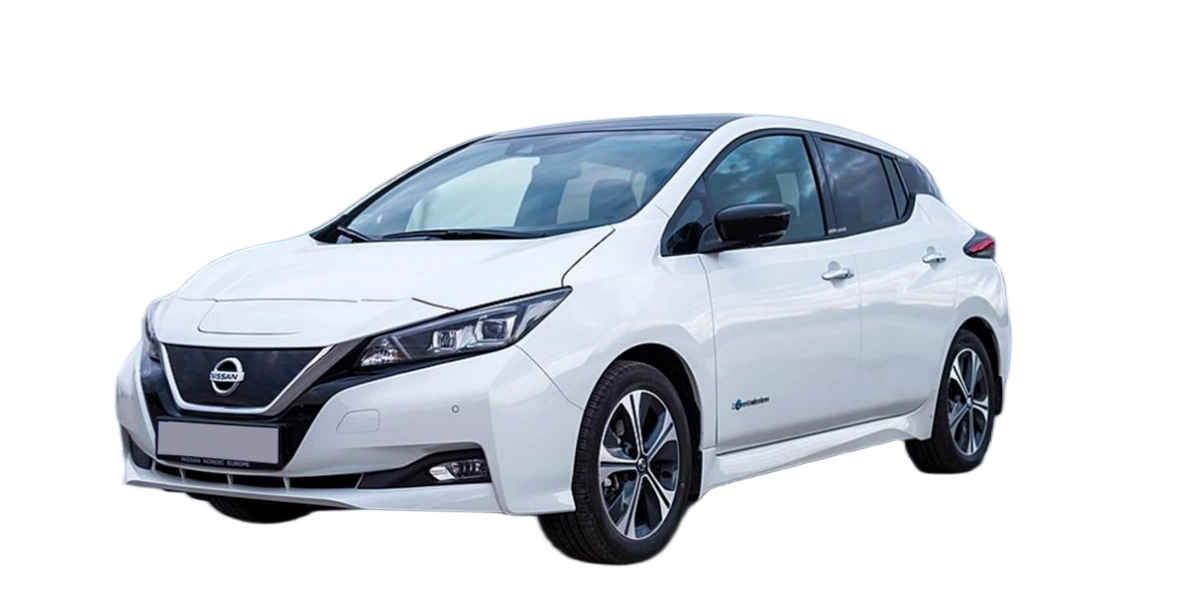
Is It Worth Buying A Cheap Nissan Leaf Battery For DIY Enthusiasts?
The Nissan Leaf has been a pioneer in the electric vehicle (EV) market, offering reliability and practicality for over a decade. However, as these vehicles age, battery degradation becomes a reality for many owners. When the time comes to replace the battery, the decision often boils down to cost versus quality.
For the Do-It-Yourself (DIY) enthusiast, the allure of a “cheap” Nissan Leaf battery is undeniable. It promises to breathe new life into a beloved vehicle without the hefty price tag of an Original Equipment Manufacturer (OEM) replacement. But is it truly worth it? This article delves into the intricacies of choosing a budget-friendly battery pack, specifically focusing on the balance between affordability and long-term reliability.
Understanding the “Cheap” Label
When we talk about a “cheap” Nissan Leaf battery, it is crucial to differentiate between “low cost” and “low quality.” A low-cost battery can be an excellent value if it utilizes new, high-grade cells and adheres to strict manufacturing standards. Conversely, a low-quality battery might use salvaged or degraded cells, leading to a host of problems down the road.
For the DIYer, the “cheap” option often refers to aftermarket battery packs designed to be compatible with the Leaf’s systems but priced significantly lower than OEM replacements. These packs can save you thousands of dollars, making the restoration project financially viable.
The DIY Challenge
Replacing a Nissan Leaf battery is not a simple plug-and-play operation. It is a complex mechanical and electrical task that requires a deep understanding of high-voltage systems. For a DIY enthusiast, the challenges are twofold: the physical installation and the electronic integration.
Physically, the battery pack is heavy and awkward to maneuver. It requires specific lifting equipment and a safe workspace. Electrically, the battery must communicate seamlessly with the car’s Body Control Module (BCM) and Battery Management System (BMS). A cheap battery that lacks proper BMS programming or has incompatible connectors can turn a weekend project into a month-long nightmare.
The Risk of “Too Cheap”
The market is flooded with battery options, and some are simply too good to be true. The cheapest batteries often cut corners in critical areas:
- Cell Quality: They might use “B-grade” or recycled cells that have already lost significant capacity. This means your “new” battery might only give you a fraction of the range you expect.
- Safety Features: Cutting costs on thermal management systems or robust casing can lead to overheating or even fire hazards.
- Lack of Support: Cheap manufacturers often offer little to no technical support. If you run into an error code during installation, you are on your own.
For the DIYer, these risks are magnified. Without a professional mechanic to troubleshoot, a faulty battery can leave you stranded.
The Value Proposition of a Quality Aftermarket Battery
However, not all affordable batteries are created equal. A high-quality aftermarket battery, such as those offered by CNS BATTERY, strikes a balance between cost and performance. These batteries utilize brand-new, top-tier cells from manufacturers like CATL, ensuring longevity and safety.
The value for a DIY enthusiast lies in the comprehensive support package. A good aftermarket supplier provides detailed installation guides, video tutorials, and responsive customer service. This support network is invaluable when you are troubleshooting a connection issue at 2 AM in your garage.
Making the Right Choice
So, is it worth buying a cheap Nissan Leaf battery for your DIY project? The answer is a resounding yes—if you define “cheap” as “high value” rather than “low quality.”
To ensure your project is a success, look for a battery that offers:
- New, High-Grade Cells: Verify the cell chemistry and manufacturer.
- OEM Compatibility: Ensure the connectors and dimensions match your Leaf model perfectly.
- Robust Warranty: A warranty is a testament to the manufacturer’s confidence in their product.
- Technical Support: Choose a supplier that offers guidance for the DIY installer.
By selecting a battery that meets these criteria, you can save significantly on the cost of ownership while enjoying the satisfaction of a job well done.
Conclusion
For the Nissan Leaf DIY enthusiast, replacing the battery is a rite of passage. It is a chance to extend the life of a reliable vehicle and save money in the process. While the temptation of the cheapest option is strong, it is essential to look beyond the price tag.
Investing in a quality, affordable aftermarket battery ensures that your DIY project is not only cost-effective but also safe and reliable. With the right product and the right support, you can get your Leaf back on the road with a full charge and a full heart.
Ready to take the plunge and restore your Nissan Leaf? Contact the experts at CNS BATTERY for a free quote and personalized advice on the perfect battery solution for your DIY project. Get Your Custom Quote Now
Frequently Asked Questions
1. What is the difference between a “cheap” battery and a “value” battery?
A “cheap” battery often uses recycled or low-grade cells, lacks proper safety features, and offers no support. A “value” battery uses brand-new, high-quality cells (like CATL), has a robust build, and comes with a warranty and technical support, all at a fraction of the OEM price.
2. Can I really install a Nissan Leaf battery myself?
Yes, but it is a complex task. You will need proper lifting equipment, knowledge of high-voltage safety, and the ability to follow detailed instructions. Ensure the supplier provides comprehensive installation guides and video tutorials.
3. How do I know if a battery is compatible with my Leaf?
Check the model year and specific variant (e.g., ZE0, AZE0, ZE1). Reputable suppliers will ask for your Vehicle Identification Number (VIN) to confirm compatibility before you purchase.
4. What kind of range can I expect from an aftermarket battery?
If you choose a quality battery with new cells, you can expect a full charge range comparable to a new Leaf. For example, a 62kWh pack should provide a range of approximately 270-300 km (depending on driving conditions).
5. What should I do if I encounter an error code during installation?
Do not panic. Contact the supplier’s technical support immediately. A good supplier will offer remote video guidance or step-by-step troubleshooting to resolve the issue.