Top Mistakes in BMW i3 Battery Charging Setup
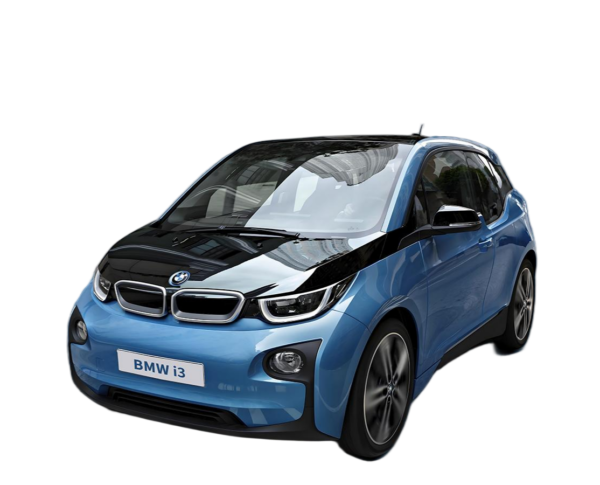
For BMW i3 owners looking to upgrade or replace their battery, the charging setup is critical to longevity and performance. However, many enthusiasts make avoidable errors that can degrade the new pack or void warranties. Based on our experience at CNS BATTERY, here are the top mistakes to avoid.
1. Ignoring the BMS Configuration
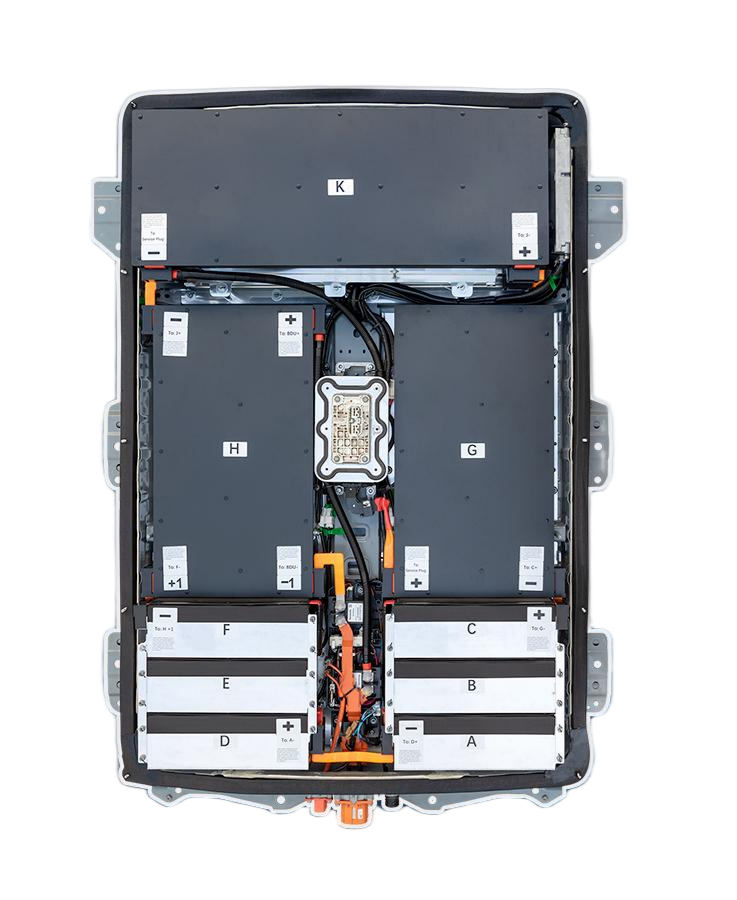
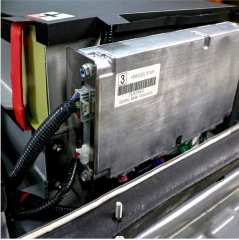
One of the most common mistakes is failing to properly configure the Battery Management System (BMS) during installation. The BMS acts as the brain of your battery, monitoring cell voltages and temperatures. If not programmed correctly to match your specific vehicle model, it can lead to charging failures or even cell damage. Always ensure your BMS settings are verified by a professional before initiating the first charge.
2. Using Incompatible Chargers
Not all EV chargers are created equal. While the BMW i3 has specific voltage and current requirements, using a charger with incorrect specifications can cause severe issues. For instance, applying a voltage that is too high can result in overcharging, leading to thermal runaway or permanent cell degradation. Always double-check that your charging equipment matches the specifications of your new battery pack.
3. Neglecting Pre-Charge Inspections
Skipping the pre-charge inspection is a gamble with your investment. Before connecting the charger, inspect all physical connections, fuses, and contactors. Loose connections can cause arcing, which generates heat and can damage the battery terminals. Additionally, verify that there are no visible signs of damage to the battery casing or wiring harnesses that could lead to short circuits during charging.
4. Skipping the Break-In Cycle
A new battery, especially a high-performance lithium-ion pack, requires a proper break-in cycle. Charging a brand-new battery to 100% immediately or subjecting it to rapid DC fast charging right away can stress the cells. We recommend starting with a slow AC charge to approximately 80% capacity for the first few cycles. This gentle approach helps stabilize the chemical reactions within the cells, ensuring a longer lifespan.
5. Overlooking Thermal Management
Temperature plays a vital role in charging efficiency. Attempting to charge a battery that is too cold (below 0°C) or too hot can reduce its capacity and lifespan. Lithium-ion batteries charge optimally within a specific temperature range. If you live in a cold climate, ensure the battery is warmed up to at least 5°C before plugging in, or use a battery with an integrated thermal management system compatible with your i3 model.
6. DIY Without Proper Tools
While a DIY approach can save money, attempting a battery swap or charging setup without the correct tools is a recipe for disaster. Specialized equipment like insulated gloves, torque wrenches, and diagnostic scanners are mandatory. More importantly, lacking the software tools to communicate with the BMW i3’s gateway module can prevent the battery from registering correctly, rendering the car undrivable.
Frequently Asked Questions
Q: What is the most critical step after installing a new BMW i3 battery?
A: The most critical step is the BMS registration and programming. Without properly registering the new battery with your vehicle’s system, the car may not recognize the pack, or worse, it may charge incorrectly, leading to cell imbalance.
Q: Can I use a standard household outlet to charge my new BMW i3 battery?
A: While technically possible, it is not recommended for the initial charge or regular use. Household outlets lack the safety protocols and amperage control of a dedicated EVSE (Electric Vehicle Supply Equipment). Using an incompatible low-voltage source can lead to under-voltage faults or slow, inefficient charging that stresses the Battery Management System.
Q: How long should I wait before taking my BMW i3 for a drive after the first charge?
A: We recommend waiting at least 30 minutes after the first charge to allow the battery cells to stabilize and for the internal resistance to balance. This “rest period” helps ensure accurate State of Charge (SoC) readings and prevents sudden power drops during your first drive.
Q: What should I do if the charging light flashes red after setup?
A: A flashing red light typically indicates a communication error between the BMS and the vehicle, or a hardware fault such as a blown fuse. Do not attempt to force charge. Instead, disconnect the power and consult a technician to check the CAN bus lines and fuse integrity.
Q: Does CNS BATTERY offer support for charging setup issues?
A: Yes, CNS BATTERY provides comprehensive technical support. If you encounter issues during setup, our engineers offer remote video guidance to troubleshoot wiring, programming, and charging faults to ensure a seamless integration.
Ready to upgrade your BMW i3 battery with a reliable, OEM-compatible solution? Avoid these costly mistakes and ensure a smooth setup with expert guidance.