Easy Install Leaf Plus Battery vs EVs Enhanced: The Ultimate Upgrade Guide
The Nissan Leaf is a legend in the EV world. For over a decade, it has provided reliable, affordable transportation to millions. However, as these vehicles age, the reality of battery degradation sets in. If you own a Leaf Plus (specifically the 40kWh or 62kWh variants) or an e-NV200, you might be facing range anxiety or costly repair bills. The question on every owner’s mind is: Should you trade in your car, or is there a way to “revive” it with a new battery pack?
This guide cuts through the noise, comparing the Easy Install Leaf Plus Battery (specifically the modern, high-capacity solutions offered by manufacturers like CNS) against the older EVs Enhanced (AESC) packs. We will analyze compatibility, cost, installation ease, and long-term value to help you make the best decision.
⚡️ The Core Difference: New Tech vs. Legacy Hardware
To understand the upgrade path, you must first understand the hardware evolution.
The Nissan Leaf Plus (EFL50/EFL62) introduced a significant shift in battery chemistry and structure compared to the standard Leaf. The older “EVs Enhanced” typically refers to the original 24kWh, 30kWh, or 40kWh packs manufactured by AESC (Automotive Energy Supply Corporation). These older packs used LMO (Lithium Manganese Oxide) chemistry and are notoriously difficult to service module-by-module due to their “glued” construction.
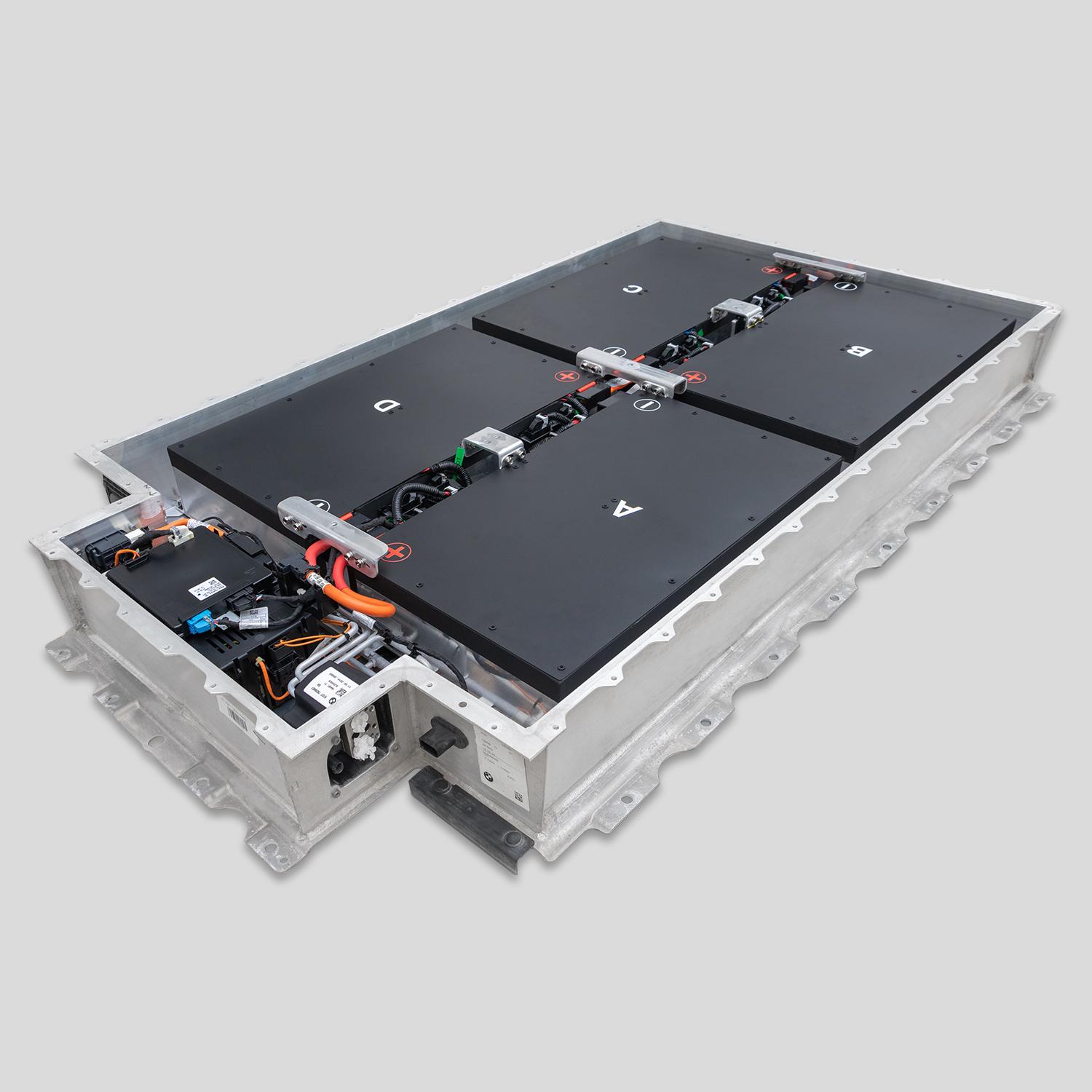
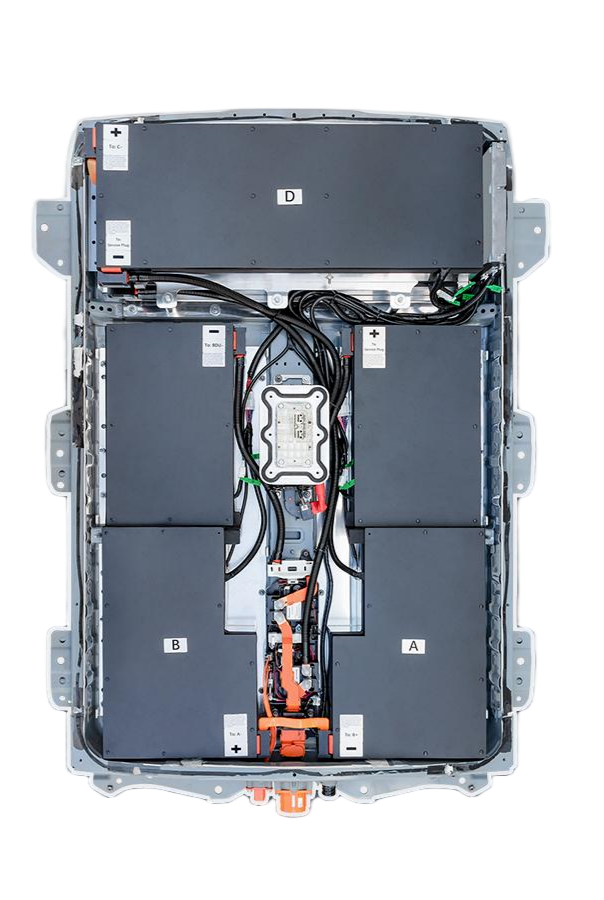
In contrast, the Easy Install Leaf Plus Battery refers to the modern 40kWh, 50kWh, 62kWh, and 68kWh Lithium Battery Packs currently available from specialized OEMs. These modern packs utilize CATL (Contemporary Amperex Technology Co. Limited) prismatic cells with LFP (Lithium Iron Phosphate) or NMC chemistry. The key advantage? Modularity and Plug-and-Play design.
Why does this matter?
Modern packs are designed with serviceability in mind. Unlike the EVs Enhanced packs where replacing a single “bad apple” module often meant dismantling the entire glued structure, modern packs allow for easier module replacement or even full pack swaps without extensive modifications.
📊 Head-to-Head Comparison: Modern Pack vs. Legacy
Let’s break down the critical factors that affect your wallet and your driving experience.
| Feature | EVs Enhanced (Legacy AESC) | Easy Install Leaf Plus (Modern CATL/OEM) |
|---|---|---|
| Chemistry | LMO (Lithium Manganese Oxide) | LFP / NMC (New Generation Cells) |
| Structure | Glued modules (Difficult to repair) | Bolt-together modules (Easy to maintain) |
| Capacity | 24kWh / 30kWh / 40kWh (Degraded) | 40kWh / 50kWh / 62kWh / 68kWh (New) |
| Range (Real World) | ~120-160 km (Used) | ~240-340 km (New) |
| Cost | High (Scarcity) / High (Rebuild labor) | 50%+ Savings vs. Dealership |
| Installation | Complex, requires full disassembly | Simplified, OEM-standard connectors |
🛠️ The “Easy Install” Advantage: Plug-and-Play Reality
One of the biggest hurdles for Leaf owners considering a DIY swap is the fear of complex wiring and BMS (Battery Management System) programming. This is where the Easy Install Leaf Plus Battery truly shines.
1. Physical Fitment and Wiring:
Modern aftermarket packs, such as those engineered for Nissan Leaf ZE1, AZE0, and ZE0 models, are built to OEM specifications. This means:
- Connector Matching: The HV (High Voltage) and LV (Low Voltage) connectors are designed to match the factory harnesses. You won’t need to cut and splice wires.
- Mounting Points: The brackets and mounting feet align perfectly with the chassis, eliminating the need for custom fabrication.
2. BMS Programming and Compatibility:
A common myth is that you need the dealership to program a new battery. While some factory protocols exist, many modern aftermarket solutions come with pre-programmed BMS units or provide the necessary tools and guidance for independent shops or advanced DIYers. Companies like CNS BATTERY offer technical support to guide users through the registration process, ensuring the dashboard recognizes the new pack without error codes.
3. Weight and Handling:
The modern 62kWh packs weigh roughly the same as the original hardware they replace. You won’t notice a change in the car’s center of gravity or suspension load.
💰 The Financial Math: Why Upgrade Makes Sense
Let’s look at the numbers. If you own a 2013-2017 Leaf and the battery has degraded (or failed), your options are limited:
- Option 1: Buy a New Car. This requires a large capital investment and depreciation hits immediately.
- Option 2: Buy a Used Battery (EVs Enhanced). This is a “gamble.” You are buying someone else’s used, degraded hardware. It might fail in 6 months.
- Option 3: Buy a New “Easy Install” Pack. This is the “Smart Revival.”
Purchasing a brand new 62kWh pack can cost significantly less than half of what a dealership charges. For example, while a Nissan dealer might quote $16,000+ USD for a factory replacement, a comparable new aftermarket solution can be acquired for roughly $7,000 – $9,000 USD, depending on the supplier and region.
The Result: You transform your old Leaf into a “New Leaf” with a 2-year+ warranty, zero depreciation on the car body, and a full charge range restored to nearly new specifications.
🌍 Global Support and Logistics
Replacing an EV battery isn’t just about the hardware; it’s about the support network. For international buyers (Europe, North America, Australia), sourcing a battery involves logistics hurdles, especially with Dangerous Goods (UN 3480/3481).
Reputable suppliers offer DDP (Delivered Duty Paid) services. This means they handle the customs clearance, pay the duties, and deliver the battery to your door. This removes the administrative nightmare often associated with importing large lithium-ion cargo.
Furthermore, these suppliers offer Lifetime Technical Support. Whether you are a DIY enthusiast in Texas or a repair shop in Berlin, having access to video call guidance or detailed manuals ensures the installation is safe and successful.
🚀 Conclusion: Time to Revive Your Ride
The debate between sticking with legacy hardware (EVs Enhanced) and upgrading to a modern Easy Install Leaf Plus Battery is clear. The old technology is glued, difficult to repair, and offers limited range. The new technology is modular, powerful, and cost-effective.
If you are facing a dead battery, don’t scrap the car or pay dealership prices. Invest in a new 40kWh, 50kWh, or 62kWh lithium battery pack. It is the most sustainable and economical way to keep your Nissan Leaf or e-NV200 on the road for another decade.
Ready to get your custom quote and restore your range? Don’t let a dead battery end your EV journey. Contact the experts today for a personalized solution.
Get Your Free Custom Quote Now
❓ Frequently Asked Questions (FAQ)
Q1: Is the installation really “easy”? Can I do it myself?
While we call it “Easy Install” compared to the complex glued packs of the past, replacing an EV battery is still a high-voltage operation. For a Nissan Leaf, a professional technician can usually complete the swap in 1-2 hours. DIY is possible for experienced mechanics with the right tools (insulated gloves, torque wrench), but we highly recommend following the step-by-step video guides provided by the manufacturer to ensure safety and proper BMS connection.
Q2: Will a new aftermarket battery void my car’s remaining warranty?
Generally, aftermarket parts do not automatically void a vehicle’s warranty. However, if a failure occurs specifically because of the aftermarket part, the manufacturer may deny coverage for that specific repair. Reputable suppliers build their packs to strict OEM standards to avoid causing damage to the Vehicle Control Unit (VCU) or other components. Always check your specific vehicle’s warranty status before purchasing.
Q3: What is the warranty on these new Leaf Plus batteries?
Top-tier manufacturers offer a minimum 2-year / 80,000 km warranty (whichever comes first). This warranty typically covers defects in materials and workmanship. It also usually includes a performance clause guaranteeing the battery maintains a certain capacity (e.g., 70%+ retention) over the warranty period. This is significantly better than buying a used “EVs Enhanced” pack, which usually comes with no warranty or a very short one.
Q4: Are these batteries compatible with all Leaf models (ZE0, ZE1, AZE0)?
Yes, but you must specify your model. The modern packs are designed to fit the specific dimensions of the Leaf ZE1, AZE0, and ZE0 chassis. It is crucial to provide your VIN (Vehicle Identification Number) to the supplier before ordering to ensure the connectors and mounting brackets match your specific year and model.
Q5: How does the range compare to a brand new Leaf?
With a new 62kWh pack, you can expect to achieve 90-95% of the original factory range. For example, if a new Leaf Plus is rated for 226 miles (363 km), your revived car should achieve approximately 200+ miles (320+ km) on a full charge in ideal conditions. Real-world range will vary based on weather, driving style, and terrain.